























































German farmers revolt against Lidl
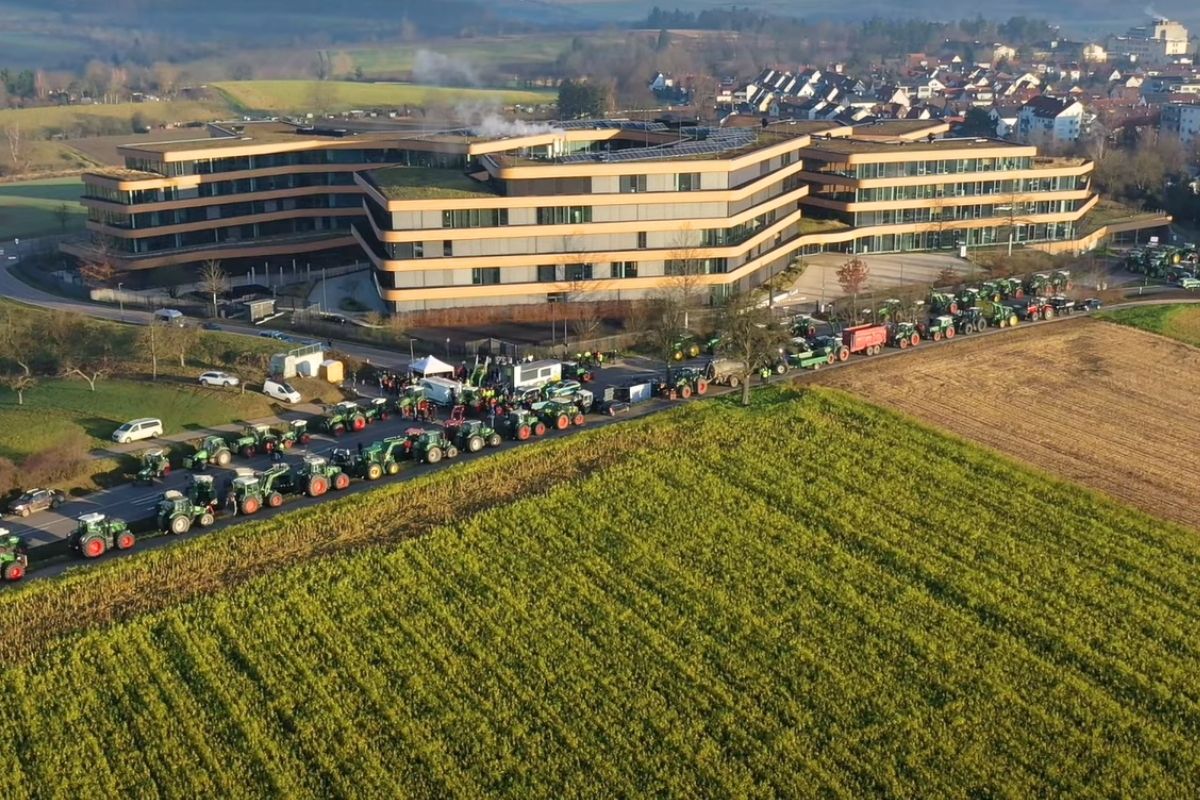
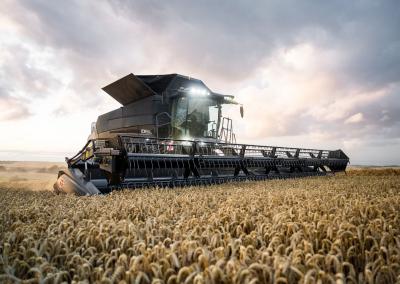
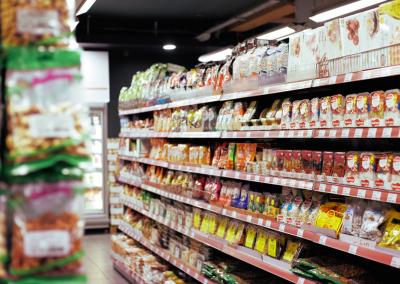
Farmers in Germany are protesting against the supermarket chain "Lidl". Farmers say the retailer's aggressive pricing policy is directly damaging farms and threatening the future of local agricultural production.
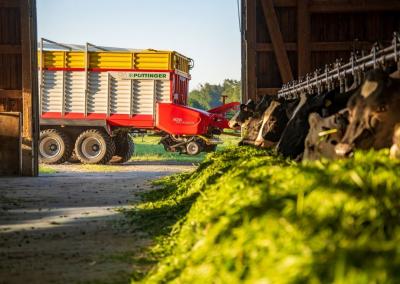
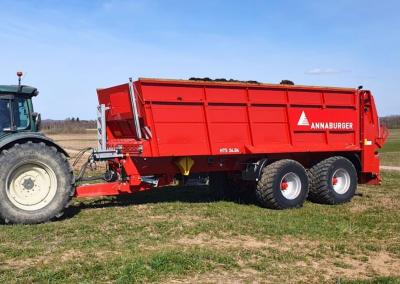
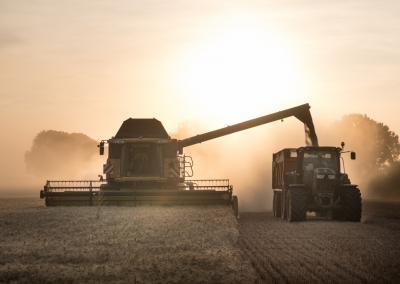
Farmers with tractors blocked Lidl logistics centres and staged protests outside warehouses and supermarkets in various regions of Germany. Protest organisers stress that this is not an isolated action, but a response to a systemic problem where food is sold at prices that do not cover the cost of production.
Farmers are most unhappy about the prices of dairy products, especially butter. Campaigners point out that butter is often offered as a sale item in supermarkets at extremely low prices, which they argue devalues the value of food and puts pressure on producers to operate at a loss.Farmers' movements and associations, including &bdash; „Land schafft Verbindung“, stress that the problem is not limited to one product.Low prices have become a marketing tool, they say, and primary producers are forced to bear the consequences. Farmers are calling for fairer profit sharing in the chain and greater transparency in the final food price.
„Lidl“ for its part explains that the fall in prices is due to the global market situation and the surplus of milk, and that the supermarket chain is merely adapting to economic realities. However, farmers do not accept this argument and argue that it is the large retailers who have the most bargaining power and have a decisive influence on price formation.
Experts note that these protests reflect a wider problem in European agriculture – farmers' incomes are under pressure from rising production costs, stricter environmental requirements and, at the same time, continued price pressure from supermarket chains.
Farmers warn that if the situation remains unchanged, local food production could become unsustainable and Europe will become increasingly dependent on imports.
The protests against „Lidl“ are seen as a clear signal to traders and politicians alike that farmers are not demanding concessions, but a systematic approach to fair pricing.

Similar articles





Video