



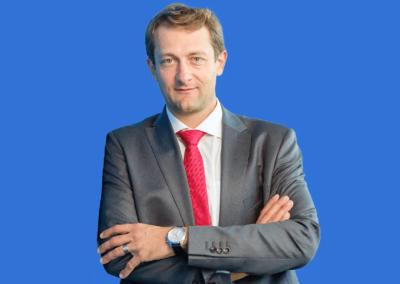














European Commissioner C. Hansen: in 25 years’ time, as many as 90 per cent of today’s farmers could reach retirement age – who will produce our food?
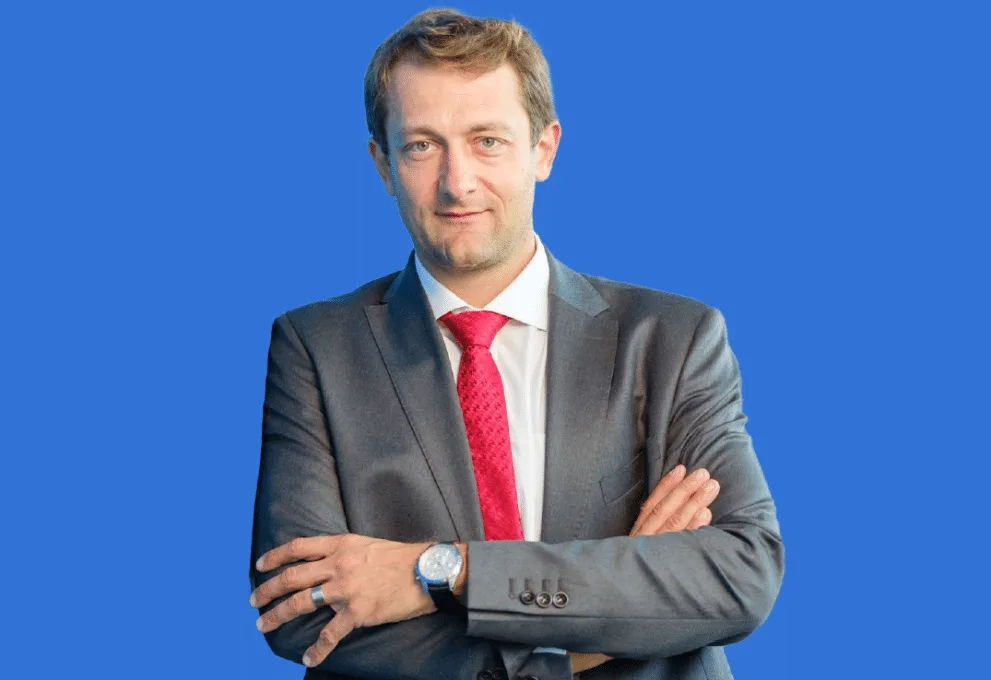
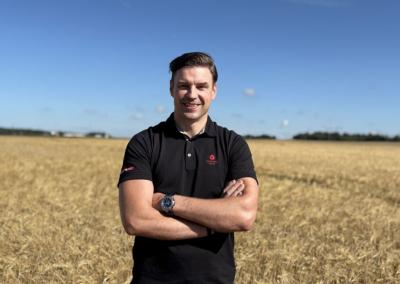
The European Commissioner for Agriculture and Food, Christophe Hansen, emphasised in a public video address that generational renewal in agriculture is one of the most important challenges for the future of the European Union. Marking the first anniversary of the generational renewal strategy, the Commissioner presented initiatives aimed at improving young farmers’ access to funding, land and the opportunity to take over farms. Dr Paulius Astrauskas, Chair of the Lithuanian Union of Young Farmers and Youth (LJŪJS), points out that the support declared at European level must also be reflected in specific national decisions.
European agriculture faces the challenge of generational change
The future of European agriculture increasingly depends on whether we can attract the younger generation and create the conditions for them to establish themselves in the sector. In a public video address, European Commissioner Christophe Hansen highlighted these worrying demographic trends.
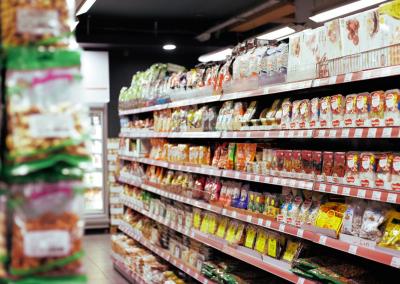
„Our supermarket shelves may be full, but the reality is that over the next 25 years, 90 per cent of today’s farmers could reach retirement age. For me, this is not just a statistic,“ – emphasised the European Commissioner.
According to him, support for young farmers has been one of his top priorities since the start of his term of office. Mr Hansen stressed that, in order to better understand the problems faced by young farmers, he had engaged with them directly – visiting farms, agricultural colleges and fairs, and taking part in European Union policy dialogues.
Based on these discussions, the European Union’s generational renewal strategy was adopted a year ago, with the aim of creating more favourable conditions for young farmers to start and continue farming.
Funding, land and farm succession – the three key areas
The European Commissioner highlighted the main obstacles faced by young European farmers. The first is access to finance. Starting an agricultural business requires significant investment in land, machinery, buildings and production technologies. However, for a young person who has not yet accumulated capital, funding often becomes one of the biggest obstacles.
Mr Hansen announced a new funding instrument currently being developed to address this problem.
The second area is access to land. The European Commission is already working on the establishment of the Earth Observatory and is setting up a new expert group to examine farm-related issues.
The third area is knowledge, skills and mentoring. Initiatives in this area include measures relating to women’s participation in agriculture, the dissemination of best practice, and research and innovation.
“Concrete measures. Concrete support. And this is just the beginning,” the European Commissioner stated in his address. He also emphasised that the proposals for the future Common Agricultural Policy (CAP) lay the groundwork for further decisions: targeted financial support, a start-up package for young people wishing to take up farming, and assistance with farm succession.
At the end of his address, C. Hansen spoke directly to the younger generation of farmers: “We are counting on your contribution, and you can count on my support.”
Young Lithuanian farmers presented their concerns directly to the European Commissioner
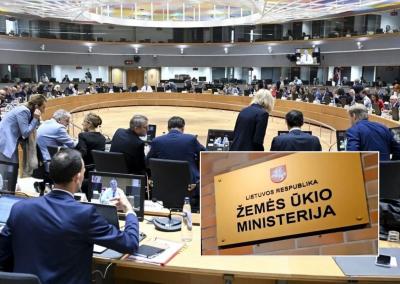
The views expressed by the European Commissioner are particularly relevant to the Lithuanian Union of Young Farmers and Youth, whose representatives met with C. Hansen in Brussels on 27 October.
The meeting was attended by the Chairman of the Lithuanian Young Farmers’ Union, Dr Paulius Astrauskas, and members of the union. The Lithuanian delegation briefed the European Commissioner on the situation of the country’s young farmers and presented a resolution on generational renewal, support for young farmers and a fairer distribution of agricultural payments.
Representatives of Lithuania’s young farmers emphasised that merely declaring the importance of generational renewal is not enough. Young people must have real opportunities to purchase or lease land, secure funding, invest in the modernisation of farms and compete with agricultural operators who have accumulated greater capital.
In the opinion of LJŪJS, the support system must pay greater attention to new entrants and farmers taking over family farms, whilst funding measures must ensure the long-term economic viability of farms.
The resolution presented by the Union raises questions regarding long-term income support for young farmers, effective capping of maximum payments, control over affiliated companies and a more transparent distribution of support.
Dr Paulius Astrauskas: European support must translate into national decisions
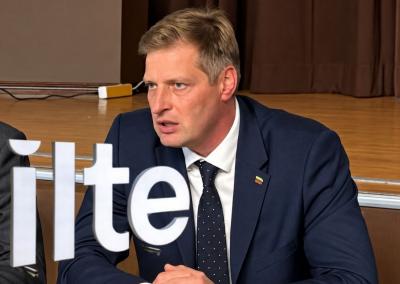
Dr Paulius Astrauskas, Chair of LJŪJS, emphasises that the European Commission’s focus on young farmers is an important signal, but the key question is – how these political commitments will be implemented in practice.
The Union’s position can be summarised clearly: opportunities for young farmers cannot depend solely on their determination to set up in business. It is essential to ensure fairer competitive conditions, access to land and a long-term support policy.
LJŪJS emphasises that the support for young farmers declared at European level must also be reflected in Lithuania’s political decisions.
The Union hopes for a constructive dialogue with representatives of the national government and for concrete actions that would help address the problems faced by young farmers in Lithuania.
It is particularly important that, when drawing up future agricultural policy, young farmers’ organisations are involved in the decision-making process from the very outset, and that their proposals are assessed not merely as a formality, but on the basis of their actual impact on the establishment and development of farms.
Lithuania’s Presidency of the Council of the EU – an opportunity to put generational renewal on the European agenda
During a meeting with representatives of young Lithuanian farmers, European Commissioner C. Hansen also drew attention to Lithuania’s forthcoming Presidency of the Council of the European Union in 2027.
This period could provide an important opportunity for Lithuania to raise the issues of generational renewal, funding for young farmers and long-term food security more actively at European level.
Generational renewal in agriculture is not merely a problem for individual farmers or their families. It is directly linked to the vitality of rural areas, the continuity of local food production, regional economies and the European Union’s ability to ensure food security in the future.
Therefore, decisions on the future CAP will have to be assessed in terms of the extent to which they help a new generation of farmers to establish themselves in agriculture.
Are Europe and Lithuania truly prepared for this generational shift?
The address by European Commissioner Christophe Hansen and the meeting of representatives of young Lithuanian farmers in Brussels reveal a shared aim – to create an agricultural policy that would ensure not only the stability of today’s farms, but also opportunities for future generations of farmers.
However, the fundamental challenge remains the same: how to translate political priorities into effective measures?
Young farmers need more than just short-term support to get started. They need long-term financing options, access to land, fairer competitive conditions, a reduced administrative burden and a clear farm succession policy.
The Lithuanian Union of Young Farmers and Youth emphasises that only consistent decisions at European Union and national levels can ensure a successful generational transition in agriculture.
The European Commissioner’s statement that young farmers can count on his support sends an important message. The most important thing now is that this commitment is translated into concrete policy decisions, giving the younger generation a real opportunity to shape their future in Lithuanian and European agriculture.
Editor’s note: the article accurately quotes the European Commissioner’s statement as provided by you. However, there are no direct quotes from Dr Paulius Astrauskas in the material provided, therefore his position and that of LJŪJS are conveyed indirectly. In order for us to publish an authentic quotation from him in inverted commas, we would require a comment approved by the chairman himself.

Similar articles
Video