








































The EU’s agricultural outlook up to 2035: the biggest challenges are geopolitical risks, production costs and farm incomes

Geopolitical tensions, fluctuations in energy and fertiliser prices, climate change, labour shortages and an ageing farming population could significantly transform agriculture in the European Union over the next decade. A review of expert discussions published by the European Commission’s Joint Research Centre (JRC) assesses how these factors may affect agricultural production, trade and farm incomes by 2035.
The review, published on 8 October 2026, summarises an expert discussion held in the spring of 2026. These discussions examined long-term scenarios for the development of EU agriculture and the main risks that could affect the sector’s competitiveness and farmers’ economic resilience.
Production in some sectors may decline, whilst in others it may grow
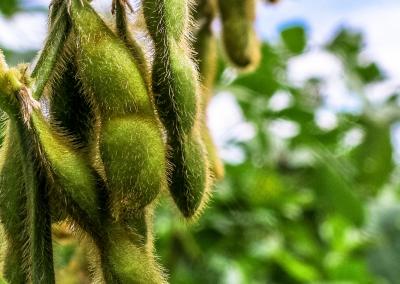
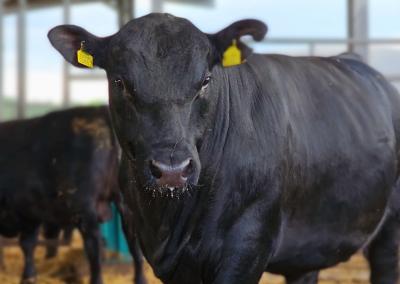
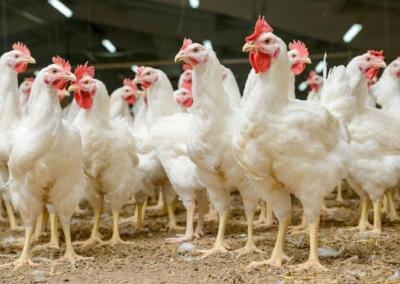
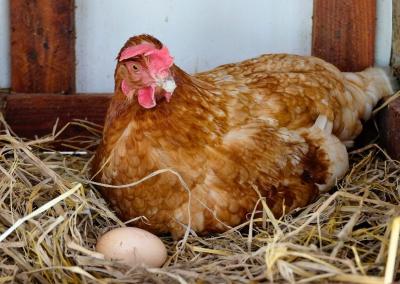
According to experts, production of cereals, sugar beet, beef, pork and lamb may decline in the EU over the next decade. More favourable prospects are forecast for the poultry, eggs, oilseeds and protein crops sectors.
Such structural changes will not be driven solely by consumption and market trends. Production costs, climatic conditions, international trade, the adoption of new technologies and the ability of farms to invest will play a significant role.
The EU remains highly dependent on imported fertilisers
The JRC review identifies the EU’s dependence on imported mineral fertilisers and energy resources as one of the factors contributing to agricultural vulnerability.
In 2025, imports accounted for 53 per cent of the EU’s nitrogen, 63 per cent of its phosphorus and as much as 76 per cent of its potash fertiliser requirements. Such dependence means that geopolitical conflicts, spikes in energy prices or disruptions to international supply chains can have a direct impact on farmers’ production costs.
One possible way to reduce this dependence is through more efficient recovery of nutrients from livestock manure and their return to agricultural production.
A disruption to energy supplies would have a severe impact on farm incomes
JRC experts have also analysed hypothetical scenarios involving geopolitical shocks. One of these models a situation in which oil and gas exports through the Strait of Hormuz would be disrupted for six months in 2026. Under such a scenario, average EU farm incomes could fall by 5.9 per cent compared with the baseline scenario.
It is important to emphasise that this is the result of a hypothetical simulation, not a forecast that such a supply disruption will occur.
However, this scenario illustrates how closely the economic performance of modern agriculture is linked to energy markets and geopolitical developments outside the EU.
Climate change may reduce yields
Climate change remains a significant long-term challenge. The JRC review estimates that wheat and maize yields in southern Europe could fall by around 20 per cent, although some of the potential losses could be offset by adaptation measures.
Climate change may also affect livestock farming – a potential decline in milk and meat production is projected.
Investments in precision farming, innovation, new genomic methods and production systems adapted to a changing climate are therefore becoming increasingly important for the sector’s resilience.
Trade agreements – both opportunities and competitive pressure
The EU’s trade agreements with the Mercosur countries, India, Indonesia and Mexico could open up additional export opportunities for the European agriculture and food sector.
New opportunities may arise primarily for producers of wine, dairy products, olive oil and processed foods. However, at the same time, increased imports may intensify competitive pressure on more vulnerable EU agricultural sectors, including producers of beef, poultry, sugar and dairy products.
It is therefore important, when assessing new trade agreements, to take into account not only the overall growth in trade, but also their impact on specific EU agricultural sectors and the competitive conditions faced by farmers.
Long-term policy stability is essential for farms
Discussions among JRC experts also highlight the importance of continuity in agricultural policy. Farmers’ investments in machinery, buildings, energy, livestock farming, soil improvement or new technologies are planned many years in advance. Consequently, frequently changing support conditions and regulations increase uncertainty and make it more difficult to take long-term decisions.
The review emphasises that greater continuity in policy measures is needed to ensure the long-term resilience of farms and investment, whilst EU agricultural policy planning should better align with the sector’s long-term needs.
Assessments by JRC experts indicate that the resilience of EU agriculture over the coming decade will depend on more than one factor. The availability of energy and fertilisers, farm incomes, the impact of climate change, trade policy, innovation and a clear long-term agricultural policy are becoming interlinked issues.
It is particularly important for the agricultural sector that, as demands on farmers increase, the economic conditions are created to enable them to invest, modernise their farms and maintain competitive production. Long-term food security is inseparable from economically viable and resilient farms.

Similar articles


Video