
























































First outbreak of a serious avian disease has reached Lithuania
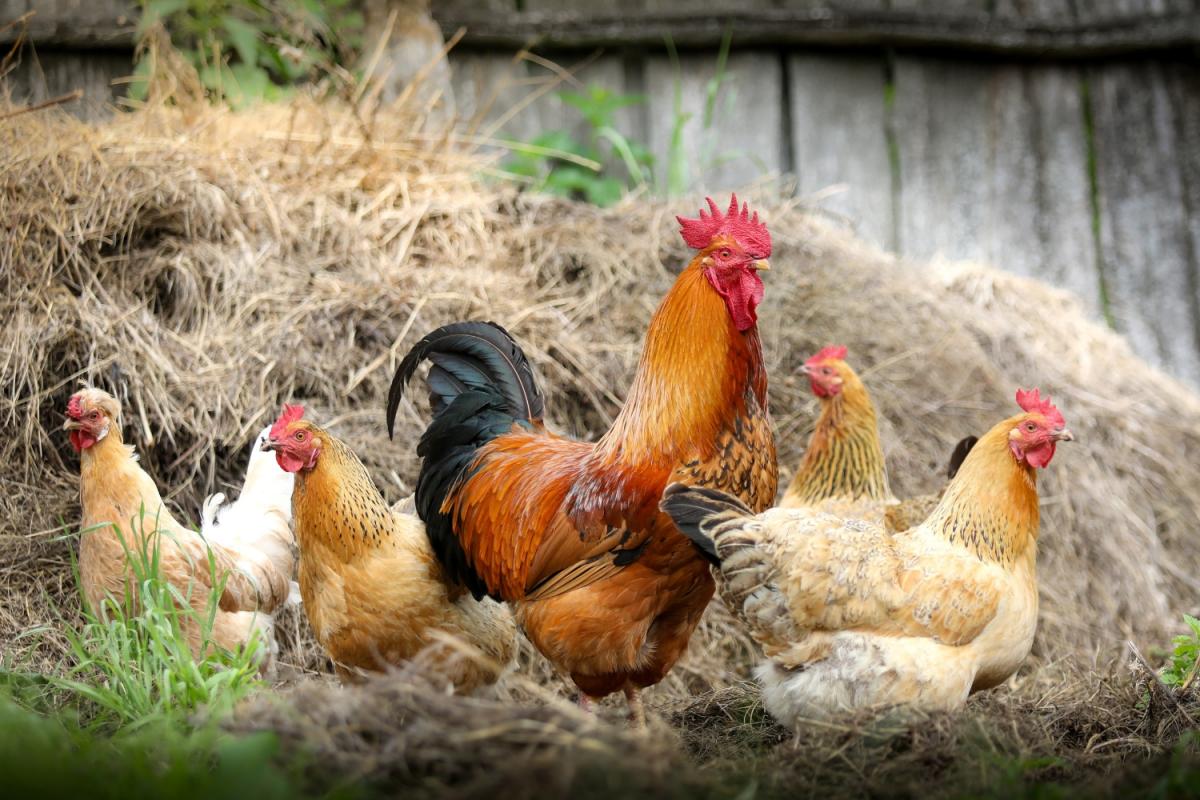
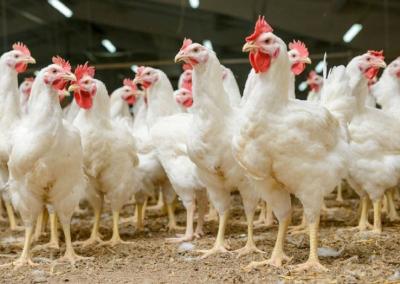
The State Food and Veterinary Service (VMVT) has confirmed the first case of the dangerous and highly contagious Newcastle disease in Lithuania. The disease was detected on a farm with more than 40 poultry in Vilnius district, Mickūnai municipality.
On Monday, after receiving a report and visiting the farm, VMVT inspectors found that half of the birds have already died and the rest will be destroyed if the disease is confirmed in order to stop further spread of the virus.
According to the initial data, geese were kept in a separate room from the rest of the birds. They were fed both outdoors and indoors. Specialists remind poultry keepers that feeding birds outdoors attract wild birds that can carry infectious diseases.
„The danger is real for all farms, regardless of size. With nearly 130 outbreaks of Newcastle disease in neighbouring Poland in the past year, and one case of Newcastle disease in a small poultry farm in Latvia, it was only a matter of time before the virus reached Lithuania, which unfortunately happened. This is a dangerous situation which means that there is no one protected and if safety, hygiene and other mandatory bio-security precautions are not followed, deadly viruses are introduced rapidly, said chief vet of Lithuania Vaidotas Kiudul and added:"In this case, the process worked efficiently: the keeper reported the deaths in time, so samples were taken and a rapid response was made, and the remaining birds will be killed and safely disposed of to prevent the spread of disease.“
Newcastle disease is a highly aggressive viral disease that can wipe out entire poultry farms in a short time. The virus is spread not only by wild migratory birds, but also by contaminated transport, footwear, equipment or other indirect contact. It is spread through direct contact with sick birds, as well as through their excretions, contaminated feed, water, equipment or transport and&ndash the virus can last in the environment for several weeks. Birds may experience respiratory problems, paralysis, nervous seizures, diarrhoea, a reduction in the number of eggs laid and, in severe cases, the death of all the birds in the house.
Although the disease is not a major threat to humans, conjunctivitis is a possible risk, and special care must be taken when coming into contact with birds.
The VMVT urges immediate reinforcement of biosecurity measures, close monitoring of the health of birds and the immediate reporting of any signs of disease to the VMVT.
Unlike avian influenza, birds are vaccinated against Newcastle disease and vaccination according to the instructions of the vaccine manufacturers protects birds from this disease. Although vaccination against this disease is not compulsory, most commercial poultry keepers vaccinate their birds.
„Any delay or negligence could have catastrophic consequences for the country's entire poultry sector. If the disease is not reported, its spread to other farms can be very rapid, causing severe economic losses, as the mortality of this poultry disease is high and requires the destruction of all existing birds and all birds are needed to be killed , warns V. Kiudul. &

Similar articles

Video