




































































Blue tongue disease has reached Latvia: the State Food and Veterinary Service urges animal owners to remain vigilant
In Latvia, as part of active animal health surveillance, an outbreak of bluetongue (BT) of serotype 3 ( BTV-3).
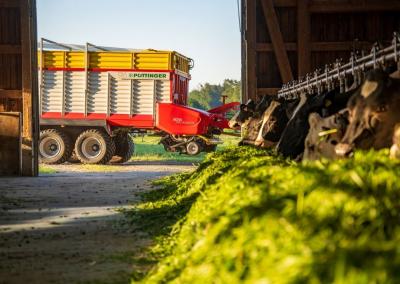
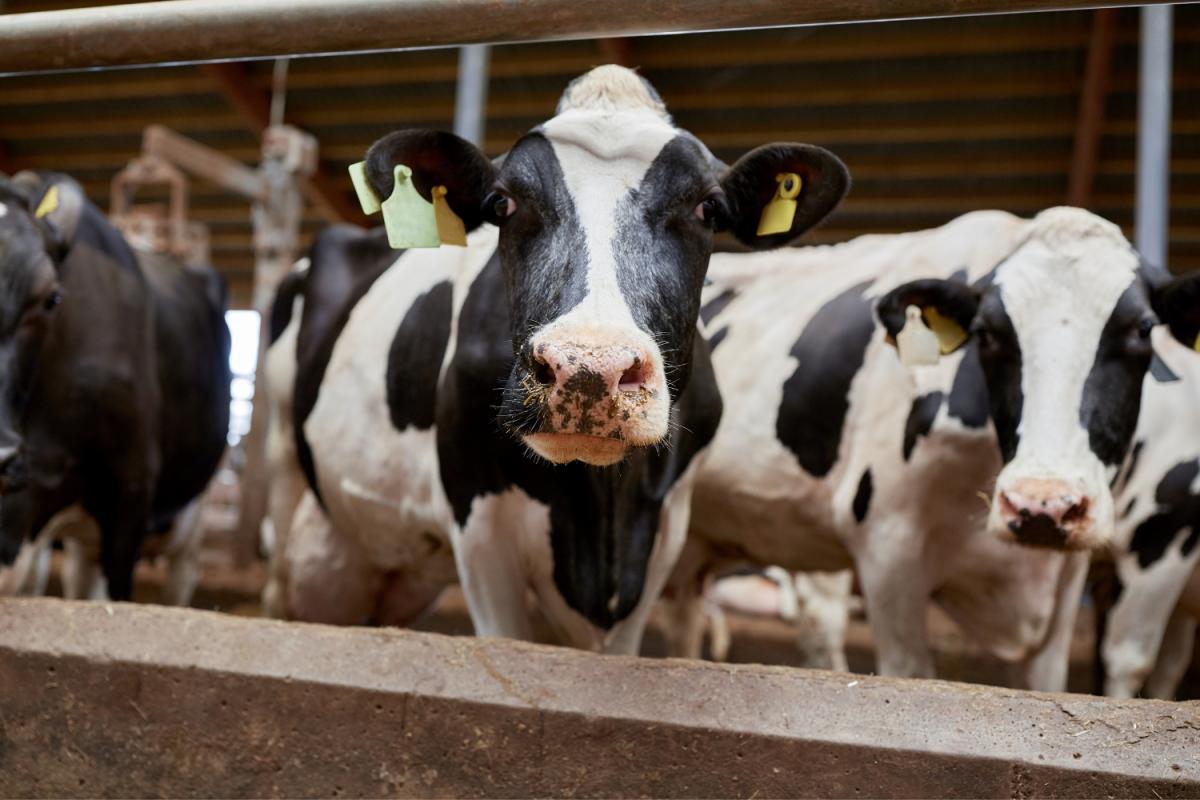
According to the Latvian Food and Veterinary Service, the virus was confirmed following the collection of samples from two dairy cows on a farm with 12 head of cattle. The outbreak was detected in the south-west of the country – in the Medze parish of the South Kurzeme municipality.
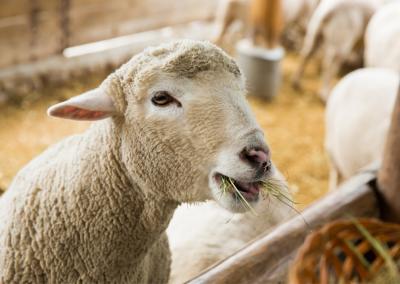
VMVT specialists warn that this viral disease poses a threat to cattle, sheep and other ruminants, so it is important that livestock keepers step up preventive measures and closely monitor the health of their herds.
“We are actively monitoring the situation not only in Latvia but also across Europe, and are exchanging information with our colleagues. The Latvian Food and Veterinary Service has confirmed that the situation is being monitored and that every new case will be reported, as required by EU legislation. We would like to remind Lithuanian animal keepers that the disease does not usually spread through direct contact between animals. The main route of transmission is through the bites of infected midges. Ticks can also be carried on vehicles, and favourable weather conditions and their activity levels play a role in the spread of the disease. The course of the disease may vary depending on the animal’s species, age and general state of health. Some infected cattle may show no obvious clinical signs. We urge farmers to be vigilant: to purchase and bring onto their farms only healthy animals, to monitor their health, and, if they have even the slightest suspicion, to react promptly and consult with vets and the State Food and Veterinary Service,“ – said Vaidotas Kiudulas, Chief Veterinary Officer of the Republic of Lithuania.
Biosecurity – your farm’s shield. Practical recommendations for keepers of cattle, sheep and other animals susceptible to MLL:
- Monitor your animals’ health. If you notice any suspicious symptoms (fever, swelling, excessive salivation, nasal discharge, lameness) or other changes in health (e.g. reduced milk yield), contact a vet or the State Food and Veterinary Service (VMVT) immediately: by completing the questionnaire or by calling 1879 or +370 5 242 0108.
- If you suspect an infectious disease, isolate affected animals from others where possible; do not remove farm animals or their products from the premises.
- Implement vector control measures: use insect repellents (repellents), properly manage areas where midges may breed (standing water, slurry or manure piles), and restrict the keeping of livestock in open areas at night.
- Ventilate barns mechanically and use fine-mesh screens on windows and doors to keep midges out.
- Clean and disinfect vehicles.&
- Avoid purchasing new livestock unless absolutely necessary; only bring in livestock from reputable farms.

Similar articles

Video