































































UK takes the lead in the fight against antibiotic resistance in livestock
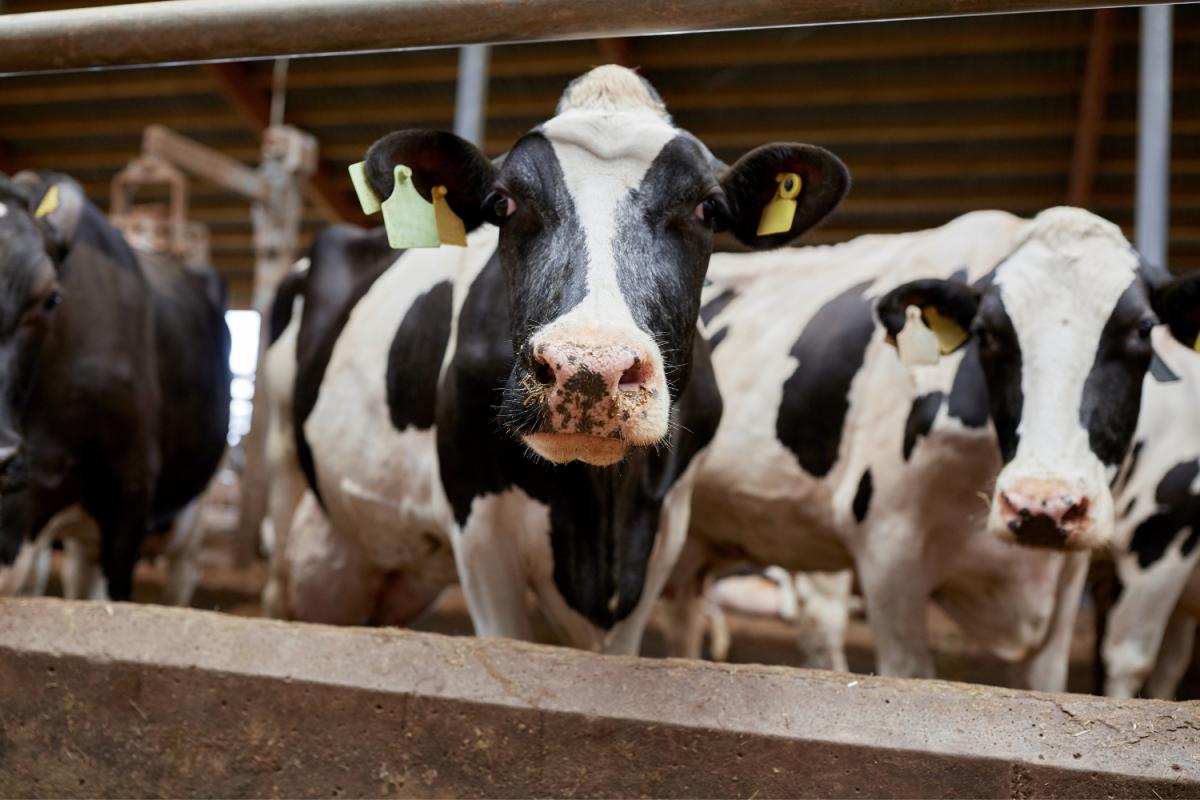
The UK livestock industry has been told to reduce the use of antibiotics over the next five years. According to the British media, the move is welcome as part of the drive to tackle antimicrobial resistance, but it poses challenges for farmers already under pressure.
The government-approved cycle will run from 2025 to 2029 and builds on a decade of voluntary industry action that has already reduced the use of antibiotics in UK livestock farming.
Since 2014, antibiotic use has fallen by 57% and the use of critical antibiotics has fallen by 83%.
RUMA Agriculture Chair Cat McLaughlin said that the new targets build on the industry's efforts, but that the next phase will require even greater efforts. „In some sectors, sustainable levels of use can already be achieved“, she said, stressing that the priority now in several industries is to keep use levels low without compromising animal welfare.
For farmers, these targets mean keeping antibiotic use under constant review. Meanwhile, climate pressures, disease outbreaks and vaccine shortages are already making things difficult. McLaughlin said vaccine availability remains the biggest barrier to reducing antibiotic dependence.The efforts of the livestock sector have been supported by the Veterinary Medicines Directorate. Abi Seager, chief director, said the agency „welcomes the third set of targets“ and praised the industry's long-term commitment.
The Animal, Plant, Food and Environment Board also welcomed the targets, describing them as an important element of the UK's „One Health“ approach.
While some sectors are pushing for even greater progress and others are consistently embracing sustainability, RUMA says the guiding principle remains unchanged: use antibiotics „as little as possible, as much as necessary“.
McLaughlin warned that the expectation of permanent year-on-year reductions is „unrealistic“ and cannot be achieved at the expense of animal welfare. She stressed the importance of vaccines as a skilled animal care tool. Despite this, UK livestock production remains among the lowest antibiotic users in Europe, with some of the largest declines in antibiotic resistance recorded in the last decade.

Similar articles




Video