



































































The ‘Shamonda’ virus on European dairy farms: what the WOAH and WHO have confirmed
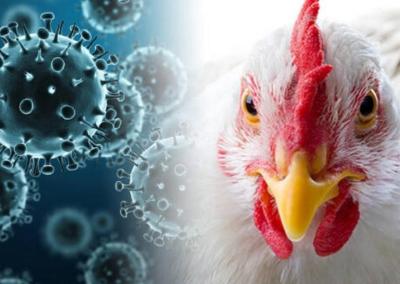
In October 2026, the assessment of the “Shamonda” virus detected in European dairy herds changed: The first documented human infection was reported in France, and on 21 October the World Organisation for Animal Health (WOAH) published more detailed data on two variants of the virus detected in Europe. However, data from a single human case is insufficient to determine the risk of wider transmission or the role of the infection in the patient’s death.
Two variants identified in Europe
WOAH reports that two “Shamonda” variants were detected in Europe in 2026 – SHAV-EU1 and SHAV-EU2. The virus belongs to the Simbu group, which also includes the Schmallenberg virus. According to WHO data, the first cases in Europe were identified in Germany and Switzerland, followed by other Western European countries.
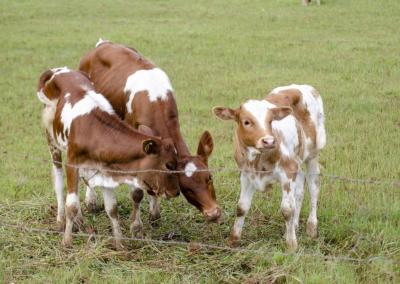
The French Ministry of Agriculture has confirmed cases in dairy herds across several departments and currently assesses the impact as minor. The WOAH notes that data coverage varies by country, so the full extent of the outbreak and its impact have not yet been determined.
What are the possible consequences for cows?
WOAH lists fever, diarrhoea, reduced milk yield, abortions and foetal development disorders as symptoms associated with the infection. The presence of these symptoms does not in itself confirm a diagnosis of ‘Shamonda’: laboratory testing is required, as the symptoms are also characteristic of other diseases. WOAH describes polymerase chain reaction (PCR) tests as possible diagnostic methods.
The main known route of transmission is through the bites of blood-sucking Culicoides midges. There is currently no evidence of direct transmission between livestock through routine contact, although transmission of the virus from an infected female to her foetus has been reported. There are no commercial vaccines available.
What does the first human case mean?
On 22 October, the WHO confirmed the first documented case of human illness associated with the ‘Shamonda’ virus. Information from France and the WOAH indicates that the patient had a severe immune deficiency and was suffering from another serious illness. WOAH emphasises that the route of transmission, the virus’s possible contribution to the patient’s death and the wider public health implications are still under investigation.
The French Ministry states that the scientific data currently available do not indicate that “Shamonda” is transmitted to humans through the consumption of milk, meat or products derived from them. This is the authority’s assessment of the current state of evidence, rather than a definitive determination of all possible routes of transmission.
What is officially recommended to monitor on farms
The French Ministry advises that, in the event of fever, a sudden drop in milk yield or diarrhoea during the fly season, a vet should be consulted, and subsequently to monitor for reproductive disorders and examine newborn calves showing clinical signs. It also recommends reducing the number of midge breeding sites and protecting livestock from vectors.
WOAH encourages countries to report cases on a voluntary basis. The French Ministry states that this infection does not in itself trigger compulsory culling of livestock; this does not constitute an endorsement of the Lithuanian veterinary decision.

Similar articles

Video