



























































































The cow's secret: how the milk letdown reflex works
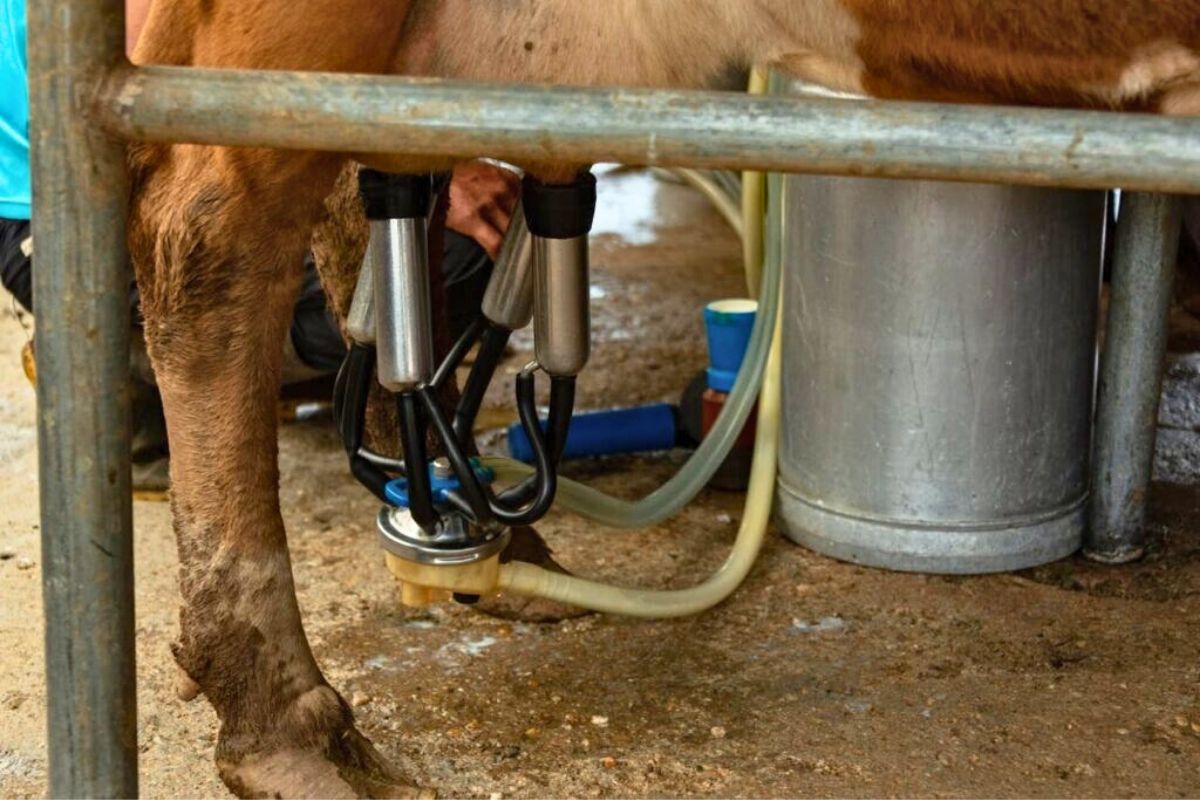
Milking a cow successfully is much more than a mechanical process. It is a subtle biological "dialogue" with the animal based on precise physiological principles. To produce milk efficiently and safely, it is essential to understand the invisible mechanisms that control its production.
In this guide, we will reveal the fascinating neuroendocrine science behind the milk expression reflex. We will explain simply and clearly why a calm environment, proper stimulation and precise time management are not recommendations but essential for successful milking. Precise adherence to these biological principles is the first line of defence against subclinical mastitis, a key factor in maintaining milk quality and a direct indicator of a farm's economic viability.
1. From touch to hormone
It all starts with a gentle touch, which starts a complex chain reaction. This process converts a physical stimulus into a powerful chemical signal.
• 1.1 The importance of stimulation. Here's a step-by-step guide to how this system works:
1. Initial stimulus: Proper nipple stimulation – washing, wiping or fore-stripping – creates tactical signals.
2. These signals travel along nerve fibres through the spinal cord and reach the main control centre – the hypothalamus in the brain.
2.3. The hypothalamus, upon receiving a signal, activates the posterior pituitary gland (neurohypophysis), commanding it to act.
3.• 1.2. Oxytocin: the milk hormone: In response to a signal from the hypothalamus, the posterior pituitary gland releases into the bloodstream the hormone oxytocin, a key player in this process. This hormone begins its journey throughout the cow's body with one specific mission.
Now that the signal has been sent and the hormone has been released into the bloodstream, let's see what happens when oxytocin reaches its destination – the cow's udder.
2. The Great Milk Ejection
Oxytocin's action in the udder is the key to getting most of the milk hidden deep in the tissues.
• 2.1 Where is milk stored? Milk is stored in two different places in the cow's udder, and this is very important to understand:
Alveoli: This is a network of microscopic, grape-like vesicles where most of the milk is produced and stored – about 80%. This milk is unavailable without the help of oxytocin.
The udder cistern: This is a small container at the bottom of the udder that only holds about 20% of the milk. This milk is available immediately, even without triggering the reflex.
• 2.2. The main function of oxytocin is to unlock that 80% of milk. Travelling through the blood, it reaches the udder and attaches to the specialised muscle-like cells (myoepithelial cells) that line the alveoli.
• Oxytocin causes these cells to contract powerfully (squeeze the alveoli). This comprehensive compression acts like a hydraulic press, mechanically pushing the milk out of thousands of tiny alveoli and into the larger ducts and the udder cistern, where it can then be easily expressed.
Understanding how the reflex works is only half the job. Equally important is understanding when it is most effective.
3. The golden time window
The milk expulsion reflex is powerful but short-lived. Synchronising the milking process with the cow's physiology is therefore critical.
• 3.1 Waiting time”: the most important 90 seconds. The term „Waiting time“ defines the period between the start of teat stimulation and the connection of the milking machine. The research-based ideal time window is 60–90 seconds. This pause is scientifically justified: after the start of stimulation, it takes between 30 and 60 seconds for oxytocin levels to rise and reach the udder.
• 3.2 Consequences of timing errors. Poor time management can not only reduce milk production but also damage the health of the cow.
Too short a time (<45s). Milking is started under vacuum but before the full oxytocin-induced milk ejection from the alveoli has begun. In essence, the machine is trying to draw milk that is not yet present. The consequence for the farm is reduced peak milk flow and increased milking time.
Optimum time (60–90s). The machine is switched on when the oxytocin level in the blood reaches its peak and ensures maximum alveolar milk ejection. The consequence for the farm is fast and efficient emptying of the udder and maximum milk flow.
Long time (>120s). The milking machine is connected when the effect of oxytocin is waning and the myoepithelial cells surrounding the alveoli are beginning to relax. The consequence for the farm is biphasic (bimodal) milk flow, increased residual milk yield and a higher risk of teat tissue damage.
• 3.3. Precision clock. It is important to remember that the effects of oxytocin are strong but brief. Its effectiveness peaks in the first 3 minutes after release, and the total effect lasts about 8 minutes. This is why the milking machine must be connected in time to take advantage of this golden window of time.4. Stress and the role of adrenaline
What happens if something prevents oxytocin from doing its job? There is a powerful blocker of this reflex.
Even a perfectly planned milking process can fail if a cow is stressed.
Adrenaline: an opponent of oxytocin. Adrenaline is a hormone released when a cow feels fear, pain or stress due to noise, rough behaviour or unexpected changes in her environment. Biochemically, adrenaline acts as a direct antagonist or blocker of oxytocin.
How does adrenaline stop milk flow? The mechanism of action of adrenaline is simple but very effective. It causes blood vessels throughout the body, including in the udder, to constrict (vasoconstriction). Due to the constriction of the blood vessels, circulating oxytocin simply cannot physically reach the myoepithelial cells around the alveoli. Without access to its target, oxytocin cannot induce the expulsion of milk. This blocking effect can last for up to 30 minutes, completely stopping the milking process.This fact underlines why a calm and safe environment is not a luxury but a necessity for successful milking.
5. Three Golden Rules
The complex science of milk letdown can be summed up in three simple but essential rules:
1. Respect the reflex. Expressing milk is not turning off the tap. It is a complex physiological reflex that requires proper and consistent stimulation to activate the oxytocin chain of action, as any deviation from the protocol directly increases the amount of residual milk in the udder – the main risk of subclinical mastitis.
2. Observe the time window. Remember the 60–90 seconds „wait“ rule. This time window is necessary to perfectly synchronise the milking machine connection with the cow's peak oxytocin levels.
3. Create calm. Stress is the direct enemy of milk flow. A calm, quiet and predictable environment is a scientific necessity to prevent adrenaline from blocking the vital work of oxytocin, because adrenaline-induced blockage not only stops milking, but also puts stress on the animal, which in the long run has a negative impact on its health and productivity.
Expert Julija Sachnevyč (milking process consultant, UAB Gameta LT)

Similar articles



Video