
















































































‘Farmers in muddy boots’: a farmer who turned up at the ‘Skuba’ filter heard more than he’d expected
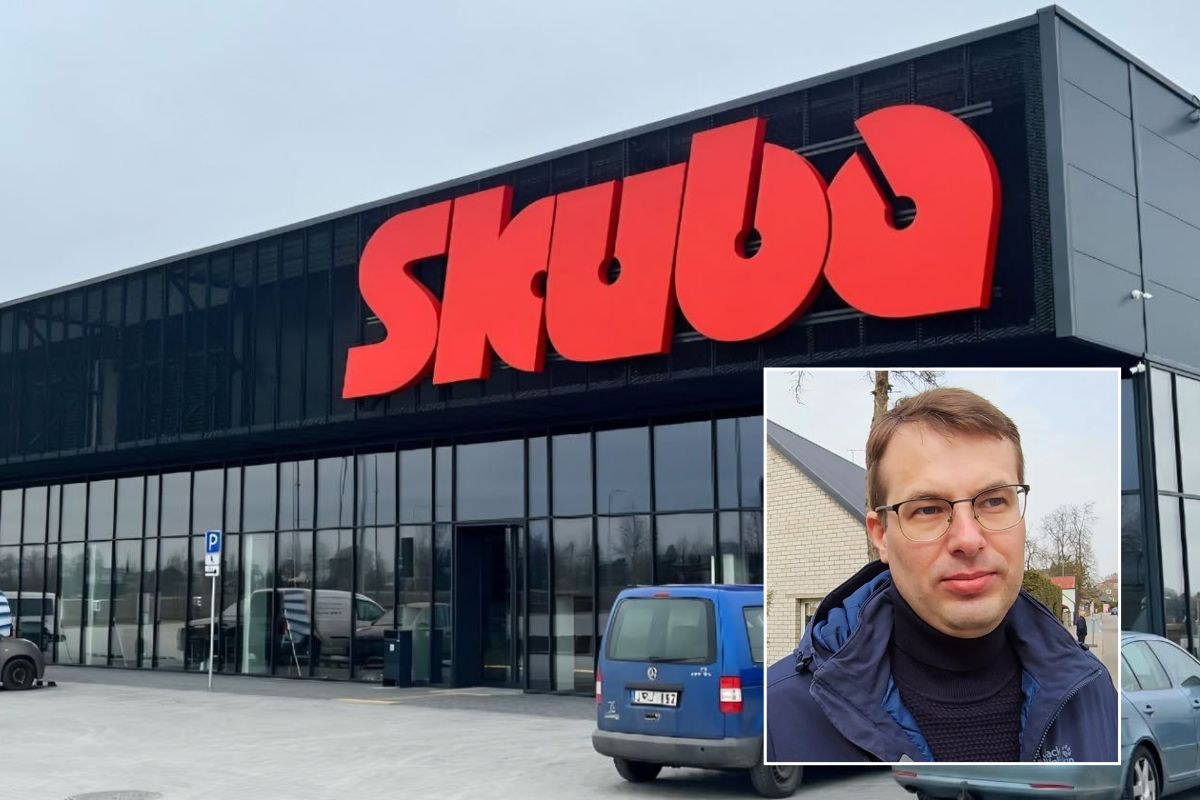
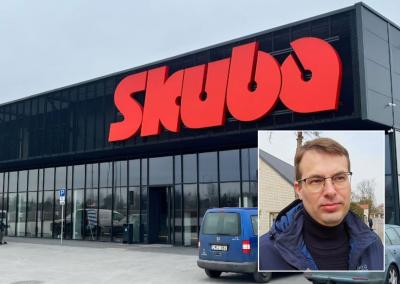
“Skuba”, a company providing lorry parts and servicing According to farmer Martynas Puidokas, a disrespectful comment about farmers made at the Šiauliai branch sparked a public row. The situation, which was raised the question of how farmers – whose purchases of goods and services contribute to these companies’ revenue – are viewed by businesses serving the agricultural sector.
Mr Puidokas recounts visiting a “Skuba” store to buy a filter. Whilst he was sitting with the manager, three staff members nearby were discussing the discounts offered to customers amongst themselves. According to the farmer, one of them remarked: “Here, every farmer who turns up in muddy boots gets a discount...”
Reacting to what he had heard, M. Puidokas asked the staff why farmers in particular were singled out in this context. According to him, the managers tried to defuse the situation by explaining that it was merely a saying and that they had not meant to offend anyone.
“Dirty boots are nothing to be ashamed of. What is shameful is a lack of respect for a person who works and earns a living“ – the farmer emphasised in his post, urging the company’s management to publicly address the staff’s behaviour.
Following the post, Alvaidas Rinkevičius published a response issued on behalf of the company’s management. It expressed regret over the situation that had arisen and stated that a disrespectful attitude towards customers is not and will not be tolerated within the company, and that farmers are just as important to the company as any other customers.
However, the response also drew attention to the inconvenience caused to staff and those around them by extremely dirty footwear. Management did not rule out the possibility that an inappropriate remark may have been made during the conversation, and apologised if this was the case.
This response did not satisfy the farmer. M. Puidokas clarified that he had not entered the company’s premises wearing dirty footwear, and that the conversation had taken place amongst the staff themselves. In his view, the management’s arguments regarding the cleanliness of the premises divert attention from the fundamental problem – a stereotypical attitude towards farmers and the use of derogatory language in the presence of customers.
The farmer was also taken aback by the conditional wording of the apology, “if that is what happened”. According to him, a clear acknowledgement of inappropriate behaviour was expected from the company’s management, rather than excuses.
“Farmers do not demand exceptional respect. They expect the basic human respect that every customer deserves,” said M. Puidokas.
This story is relevant not only to this particular company, but to the entire agribusiness services sector. In a competitive market, customer loyalty is determined not only by product prices, discounts or service quality, but also by the culture of communication amongst staff. Even a single ill-considered remark can pose a serious challenge to a company’s reputation.

Similar articles




Video