










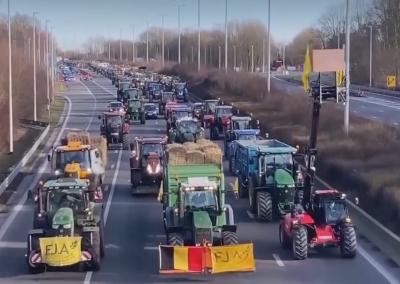
















Protests are rocking France, but the farmers are divided: why didn’t the tractors take to the streets?

As mass protests over the cost of living and social policy gathered momentum in France, two major farmers’ organisations decided not to take part in the national demonstration held on 17 October. The country’s largest farmers’ trade union, the FNSEA, attributed this decision to the busy autumn fieldwork, whilst “Coordination Rurale” did not wish to align its demands with the broader public protest movement. However, the farming community was not united – the “Confédération Paysanne” supported the protesters and urged its members to take part in the demonstrations.
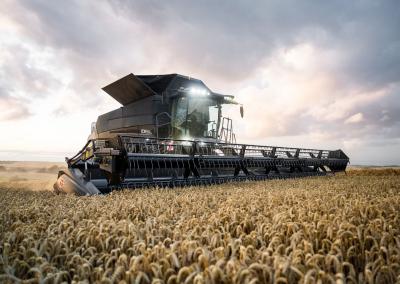
Arnaud Rousseau, head of the FNSEA, stated as early as 16 October that October is one of the busiest times of the year for farmers. Farmers are harvesting maize and sugar beet, sowing winter cereals, whilst livestock farms are facing a shortage of feed following a dry summer.
The organisation believes that large-scale mobilisation would be difficult under such conditions, but this does not mean that farmers are abandoning their economic demands.
“Coordination Rurale” has also decided not to take part in the joint action on 17 October. Representatives of the organisation emphasised that farmers’ interests do not always coincide with the demands of protesting students and other social groups. Furthermore, the threat of violence accompanying the demonstrations heightened doubts about participation.
However, the decision was taken at the level of national organisations. Some regional farmers’ activists continued to organise independent protests over fuel prices, farm profitability and bureaucracy.
On 22 October, the “Confédération Paysanne” issued a new statement calling for participation in the mobilisation on 24 October. The organisation links farmers’ problems to declining purchasing power, climate change and the funding of public services.
Meanwhile, the FNSEA has not ruled out the possibility of organising protests in Brussels in November or December, alongside other European farmers’ organisations, over the future budget for the Common Agricultural Policy.
Events in France show that farmers’ organisations may opt for different protest strategies even when facing similar economic problems.

Similar articles


Video