































Social forests covering thousands of hectares are being created in Poland
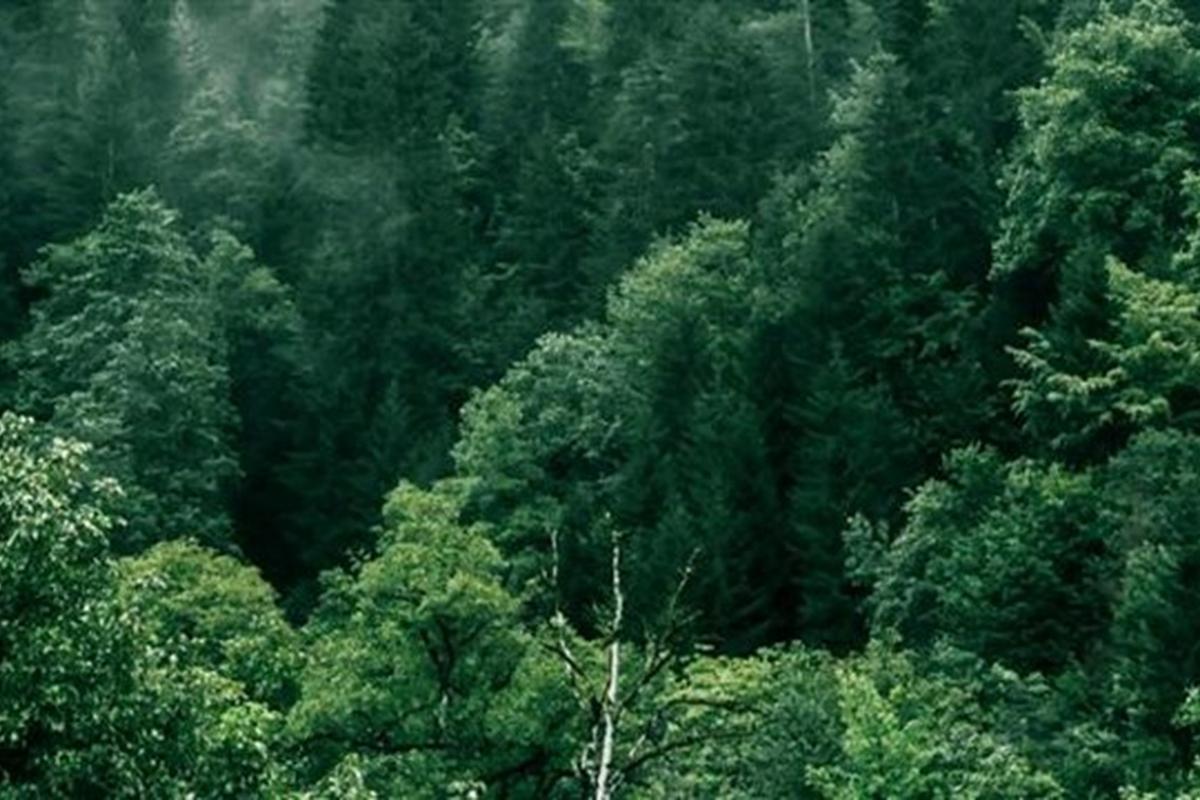
Poland has begun implementing a new forestry policy – so-called social, or community, forests are being created near major cities. Their purpose is to provide city dwellers with more opportunities to relax in nature, whilst strengthening the protection of biodiversity and restricting commercial forestry in areas close to cities.
The first such large area is being established around Wrocław. It covers around 13,000 hectares of woodland, where different levels of protection and human activity are planned.
This is not merely about creating new parks or recreational areas. The initiative is changing the approach to the function of some state-owned forests – near major cities, greater priority is being given not to timber production, but to recreation, nature conservation and public needs.
Three distinct forest zones
The Wrocław social forest area is divided into three main zones, each with a different protection regime.
“Natural forests” – areas that will essentially be left to nature. The aim here is to create conditions for forest ecosystems to develop without active human intervention.
“Semi-natural forests” – areas where human activity will remain possible but will be strictly limited. The main focus in these areas will be on preserving natural values and biodiversity.
The largest proportion will consist of “social forests” – more than 8,000 hectares. These areas will primarily be adapted for people’s recreation and to enable them to experience nature. There are plans to establish and develop walking, cycling and educational trails within them.
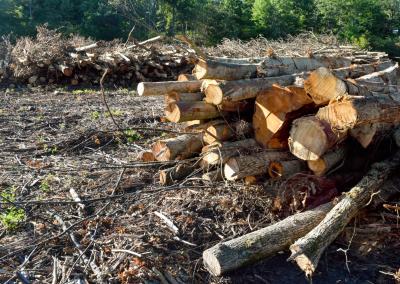
A significant change is that tree felling will be restricted in these areas, and commercial timber production will no longer be the primary function of the forest.
Social forests – not just in Wrocław
Wrocław is just one of the areas where Poland plans to implement this new concept. Similar social forest projects are also planned near other major cities in the country – Warsaw, Kraków, Poznań and Łódź.
The aim is to create larger green spaces around the largest urban centres and provide residents with more easily accessible recreational areas.
As cities and their suburbs expand, forests are increasingly valued for more than just timber resources. They serve a recreational function, help to mitigate the urban heat island effect, protect biodiversity, contribute to improving air quality and provide residents with spaces for physical activity and relaxation.
Poland’s approach to state-owned forests is changing
The creation of social forests is part of wider changes to Poland’s environmental policy. The current government, which took office in December 2023, has taken steps to restrict logging in some of the country’s most ecologically valuable areas.
These decisions were taken following lengthy debates on the use of Poland’s forests and criticism levelled at the previous government over intensive logging. One of the most prominent points of contention was the Białowieża Forest – one of Europe’s most valuable and oldest forest ecosystems.
This new direction reflects a desire to assess a larger proportion of state-owned forests not only from an economic perspective, but also from social and environmental standpoints.
Forests are increasingly fulfilling multiple functions
The example of Poland reflects a broader debate taking place across Europe regarding the purpose of forests. Forests are simultaneously a source of timber and other raw materials, a basis for economic activity and jobs, a means of carbon sequestration, a habitat for biodiversity and a recreational space for the public. Balancing all these functions is no easy task.
This is particularly relevant near major cities, where forests bear a heavy recreational burden, and public expectations regarding their conservation often differ from the objectives of traditional commercial forestry.
Consequently, the model adopted in Poland is based on the differentiation of areas – in some areas, priority is given to natural processes; in others, limited human activity is permitted; whilst the majority of social forests are adapted to meet the public’s recreational needs.
An important question is: how can the interests of society, nature and the economy be reconciled?
The expansion of social forests also raises questions that are relevant not only to Poland. When expanding protected areas or areas where economic activity is restricted, it is important to assess how such decisions affect forestry, the timber sector, landowners and local communities.
The more functions society expects forests to fulfil, the more important it becomes to reach a clear agreement on which areas should prioritise nature conservation and recreation, and in which sustainable economic activity remains vital.
It is equally important that decisions on land and forest use are taken with the involvement of the people who live, farm, manage forests or carry out other economic activities in these areas.
The social forests being established in Poland could serve as an interesting example for other European countries seeking ways to reconcile, in the vicinity of growing towns, the public’s need to spend time in nature, the protection of biodiversity and the rational use of land and forests.
From the perspective of agricultural and forest landowners, it is particularly important that the development of green infrastructure is based not only on new restrictions, but on dialogue with local communities, clear decisions regarding property and economic activities, and an appropriate balance of interests. Only then can the development of ‘green cities’ become a source of long-term benefit for residents of both urban and rural areas, rather than a source of conflict.

Similar articles




Video