




































































What is the epidemiological situation of ASF in the EU?
On 4 December 2025, the Health and Welfare Working Group of the Federation for Hunting and Conservation in Europe (FACE) held a meeting with the European Commission to discuss the latest information on African swine fever and avian influenza. The discussion was attended by Ms Francesca Calvetti and Ms Iulia Delia Cohen, veterinarians at the Animal Health Unit of DG SANTE.
Investment in game farms could save the day to tackle ASF
The ASF situation in 2014–2025
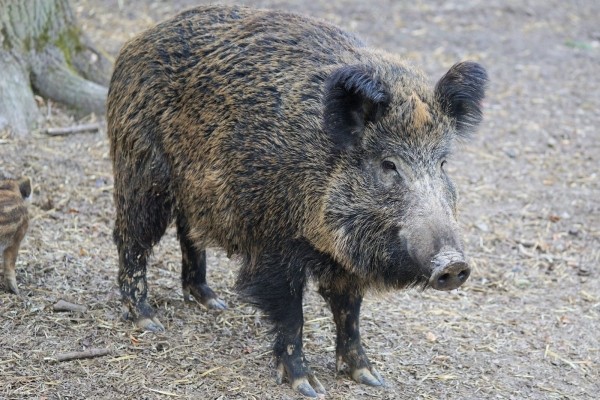
African swine fever remains widespread in wild boar populations, particularly in the Baltic States, Poland, Romania, Bulgaria and the Balkan region.
The year 2025 shows marked differences between EU countries. Romania has a particularly high number of outbreaks in domestic pig holdings, with a total of 430 cases. In Estonia and Latvia, an increased number of outbreaks in wild boar farms is observed during the summer period. At the same time, in the Czech Republic and southern Italy, no new cases have been recorded since August 2024 and a review of the restrictions is being launched. Belgium and Sweden have been officially declared free of ASF.
2025 EU highlights
This year, a new affected area has been identified in Germany, where new cases of ASF in wild boar have been reported. A new outbreak has been detected in Croatia, on the border with Serbia, which also affects neighbouring Hungary. The Baltic States, Poland and Croatia remain the highest risk regions during the summer months.
TLegal regulation under Regulation (EU) 2023/594, Article 56
All Member States, except those that can justify the permanent absence of feral pigs, are required to draw up a national action plan within six months. This plan must set out strategic objectives and define the territorial coverage, assess the size of the feral pig population, provide for hunting objectives and their impact, plan for permanent monitoring, in particular surveys of fallen boars, and biosecurity measures on farms and in hunting activities. The plan must include communication and training programmes and procedures for cross-border cooperation.
Major challenges for ASF
The biggest challenge remains the enforcement of biosecurity in small-scale and households, where regulations are often not enforced. Wild boar management is also challenging due to their migration and abundance in large forest areas. Human-induced disease outbreaks, especially when travelling between countries, also increase the risk. The requirements of international trading partners for zoning and regionalisation are difficult to meet. There is still no safe and effective vaccine for ASF, so control measures rely on monitoring and biosecurity. A new trend is the return of the disease to areas previously considered to be cleared, indicating gaps in biosecurity.
The increase in outbreaks in the Baltic States, Poland and Croatia in the summer confirms the need to reinforce the monitoring of both wild boar and domestic pigs. Compliance with biosecurity measures is becoming a critical factor in reducing disease risk. Scientifically sound management of the wild boar population based on risk assessment is essential to achieve the eradication of ASF and prevent new outbreaks. Well-implemented national action plans can significantly improve the early detection of the disease in countries where ASF has not yet been detected.

Similar articles




Video