






































With the return of a real winter, a white famine has begun in the forests
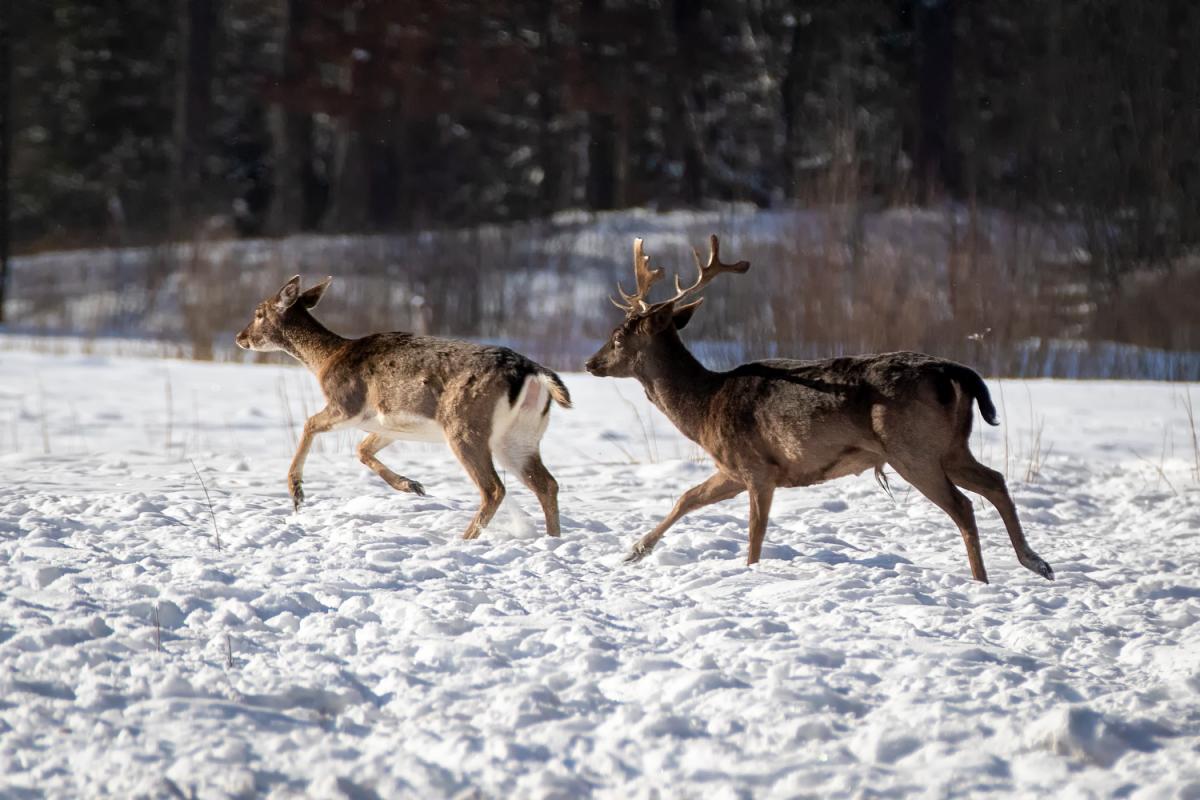
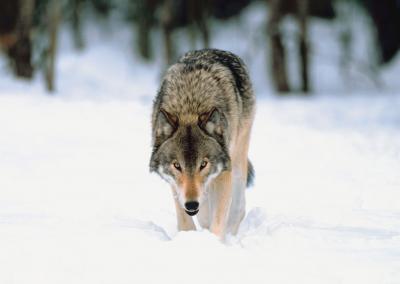
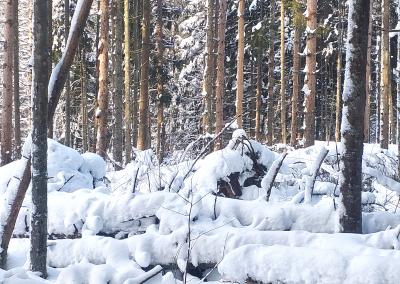
After several years of relatively mild, low-snow winters in Lithuania, winter has returned this year with heavy snow, cold and snowy nights. These conditions are particularly difficult for wildlife living in forests – in many areas, conditions of so-called 'white starvation' have already developed.
Heavy snow cover makes foraging for food more difficult
After recent days of heavy rainfall and snowstorms, Lithuania is now covered by a continuous and heavy snow cover. In many areas, the snow cover is much higher than usual in recent years, reaching several or even tens of centimetres in some places. In some parts of the country, temperature fluctuations have led to a hard crust of snow, making it even more difficult for wildlife to reach natural food sources under the snow.
Foresters are monitoring the situation and taking action
Foresters of the State Forest Enterprise (SFE), working in the forests and monitoring the condition of animals, assess the situation in each forest district and take the necessary measures where food shortages are a real threat.
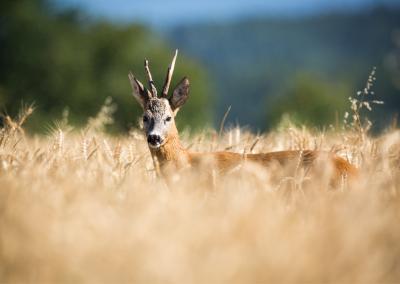
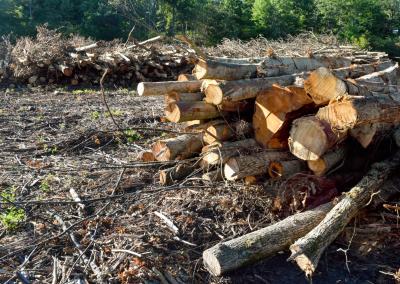
„In winter, we can see where deer concentrate and where it is most difficult to find food. In these places, we assess the situation and cut down a few aspen trees and leave them in the forest. Aspen bark, twigs and shoots are one of the most important sources of food for roe deer, fallow deer and red deer during the most difficult winter period. This helps the animals to save energy, which they desperately need in winter, and the easily accessible branches are also useful for hares," says Sigitas Kvedaras, Head of the Nature Conservation, Nature Management, Recreation and Hunting Division of the VMU Forest Enterprise.
What do animals eat in winter?
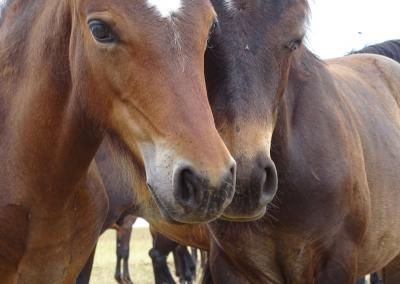
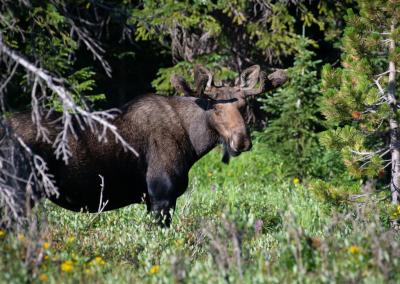
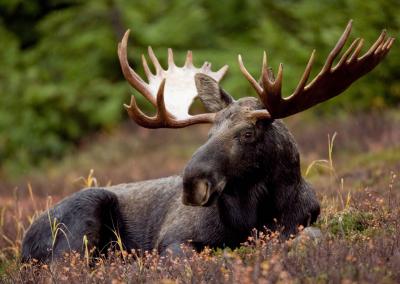
According to foresters, deer spend most of their time in deciduous forests. In the warm season, they eat grass, various herbaceous plants and leaves, while in winter their diet consists of twigs, bark, berries, mosses and lichens from trees and shrubs, which they are normally able to dig out from under the snow. However, with deep and hardened snow cover, these natural food sources become difficult to access.
Sanitary, educational or routine logging in deciduous forests also provides an additional source of food in winter. The branches that remain provide natural food for animals at a time when other resources are hidden under snow.
Important: arbitrary feeding can cause harm
Foresters remind us that feeding wildlife arbitrarily, without knowledge or permission, can do more harm than good. Improper food can cause digestive disorders, diseases or change the natural behaviour of animals. For these reasons, the feeding of wild animals is only permitted by the responsible authorities – foresters and hunters operating under established rules.
The State Forest Enterprise carries out comprehensive forestry activities and is constantly concerned not only with the restoration, protection and maintenance of forests, but also with the wild fauna living there. Winter is one of the most difficult periods for animals, so responsible and timely assistance helps them to survive the toughest time of the year.

Similar articles
Video