














































VMVT: Newcastle disease outbreak in Vilnius district is being eliminated
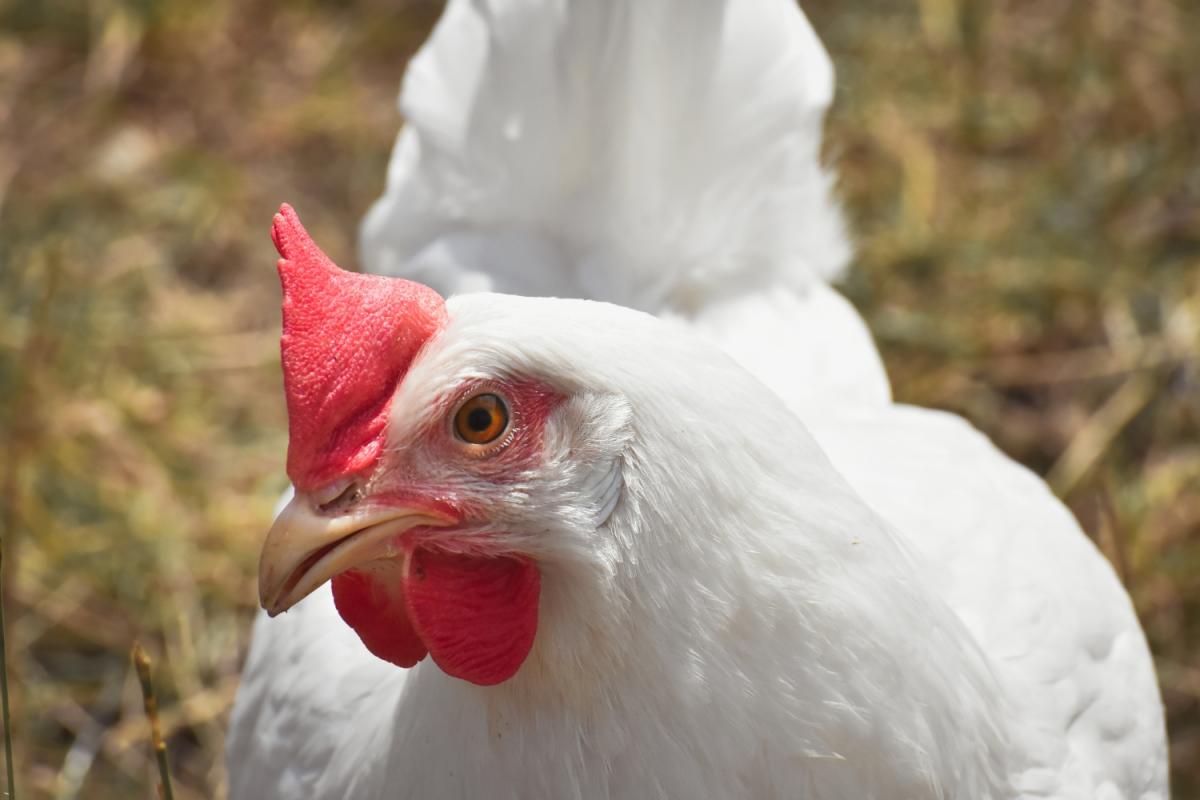
On 5 February this year. The first case of Newcastle disease in Lithuania was confirmed on a poultry farm where birds were kept for their own use in Vilnius district, Mickūnai municipality, on 5 February. Following the detection of the disease, the farm was immediately subjected to all the mandatory eradication measures: birds and their carcasses were killed and destroyed, initial disinfection was carried out, and the cleaning of the farm continued. However, the VMVT experts warn that this does not mean that the danger is completely over. Farmers must remain vigilant.
„The most important thing now is for every poultry keeper to take biosecurity very seriously, as even a little negligence can have dire consequences.One of the most effective ways to protect domesticated birds from contact with wild birds is to keep them indoors, feed and water them only indoors, and do not use open water bodies for watering.In commercial farms, vaccination is recommended to prevent the outbreak of the disease, to reduce the risk of an outbreak, to protect the birds from severe forms of the disease and to stop the spread of the virus, said Žydrūnas Vaišvila, advisor to the Surveillance Department of the MoIH.
The VMVT is currently registering birds kept on farms around the disease outbreak and checking the health of the birds. Monitoring of wild birds continues. The VVMT warns that the Newcastle disease virus can survive in the environment for several weeks, especially in cool weather. The disease is highly contagious – once the virus is introduced into a flock of susceptible birds, almost all birds can become infected within 2–6 days.
Specialists urge all poultry keepers to follow strict biosecurity requirements. The most important security measures:
- No uncontrolled access to the farm by unauthorised persons, vehicles and animals;
- Keeping birds out of contact with wild birds;
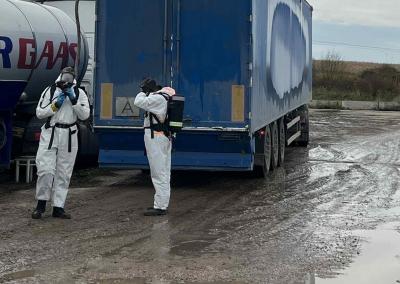
- regularly disinfect premises, equipment, transport, working clothes and footwear;
- document mortality, reduction in feed and water consumption, changes in egg laying and egg quality;
- report any health problems in the birds immediately to veterinary specialists.
„We see a high risk in exotic bird houses, zoos. These places often house collections of different species, birds may come from different geographical regions, and some exotic species may not show clear signs of disease but may spread the virus. In addition, large numbers of visitors increase the risk of indirect transmission of the virus through clothing, footwear or equipment. It is therefore necessary for these keepers to apply biosecurity measures at the highest level, to limit contact with wild birds and to regularly monitor the health of the birds, , said Žydrūnas Vaišvila. ,
Any suspicion of Newcastle disease should be reported as soon as possible to a private veterinarian and the VVMT by filling in a questionnaire online or by calling 1879 or +370 5 242 0108 (also suitable for calls from abroad).

Similar articles
Video