












































Chamber of Agriculture hopes that the Government will return to the so-called milk law
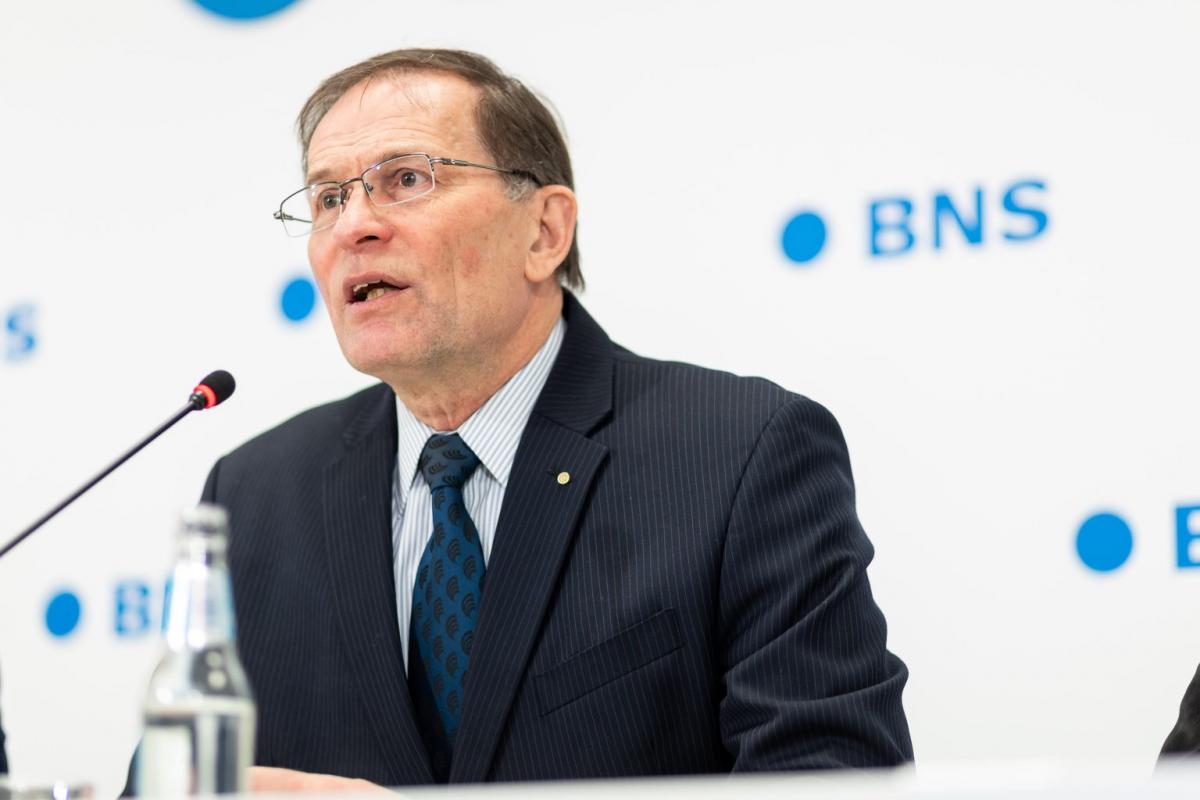
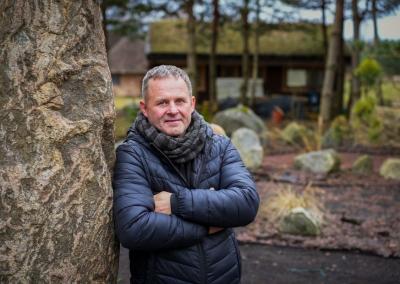
The representatives of the Chamber of Agriculture hope that the Government will return to the so-called milk law and, with improvements, it will be adopted by the Seimas. Arūnas Svitojus, President of the Chamber of Agriculture, stresses that the law is particularly important for dairy farms to ensure that purchase prices are not discriminatory.
„The issue of the Milk Law has been hanging for a long time and it is particularly important now for farmers, those who are engaged in dairy farming, because milk prices are falling and they are still discriminatory, because they are 2–2.5 times different between an average or a larger livestock keeper. This is such a burden for family farmers“, – A. Svitojus told BNS on Tuesday after meeting with Prime Minister Inga Ruginiene on Tuesday.
„We agreed that the law is necessary. It has not existed for ten years... It was adopted, but it has not worked. It is the fifth year that it has been said that it must be sorted out and adopted," he added.The prime minister was quoted by the government's press service as saying that work on improving the milk law would continue by finding consensus within the sector and ways to encourage local milk producers and ensure the competitiveness of small producers.
BNS reported last January that the government had agreed to the Ministry of Agriculture's (MAA) proposal to the Seimas not to discuss the so-called milk law, although it supported the aim of ensuring fairer relations between milk buyers and sellers. In its conclusion, the government said that if the amendments were suspended, a public consultation on the situation in the dairy sector would be held and then new regulatory proposals would be drawn up.
Ignonas Hofmanas, the then Minister of Agriculture, told BNS at the time that the draft dairy law would be redrafted.
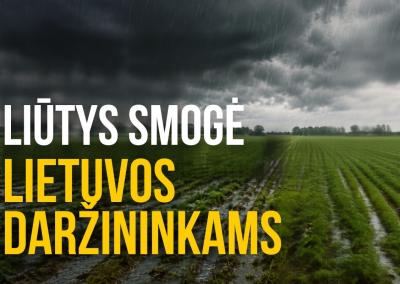
According to Svitoy, the meeting with the Prime Minister also focused on short supply chains, food security, and the looming risk of floods, especially when the weather starts to warm up.
„It was about the cold, about the imminent danger, about the expected flooding or even a possible flood, because, as we said, the winter might be deep, but it was not that deep, because it did not cause problems. And if it is a quick spring, water practically flows out through one artery, through one vein. In some places the ice is over 40 centimetres, it can reach half a metre thicker, and it can really be a problem not only for agriculture, but also for towns and cities in terms of flooding," Svitojus said.
Measure plans should be put in place to prepare for warming and more water, he said.The meeting also discussed forest policy and deforestation rates, as well as regulation of the production of hemp products.

Similar articles

Video