








































The VVM also classifies insects as new food. Has the public already been introduced?
Have you ever wondered how unseen products - whether exotic plants, unusual mushrooms or ingredients developed with new technologies - make their way onto the EU market? There are clear procedures in place to ensure that such innovative products reach consumers, under the supervision of the State Food and Veterinary Office.
New foods – are foods that were not widely used for human consumption in Europe before 15 May 1997. This may include newly developed or innovative products, ingredients developed through new production processes resulting in substantial changes in the composition or structure of the food, foods derived from previously unused sources such as micro-organisms, fungi or algae.
Interestingly, novel foods include products that have been used for centuries in some parts of the world but are new to Europe. The safety of such a novel food – a traditional food from a third country – is based on the fact that a significant number of the population of at least one third country has been consuming it continuously in their normal diet for at least 25 years.The list of novel foods today is extremely diverse. Examples of novel foods:
• seeds of the Spanish sage (Salvia hispanica), also known as "chia";
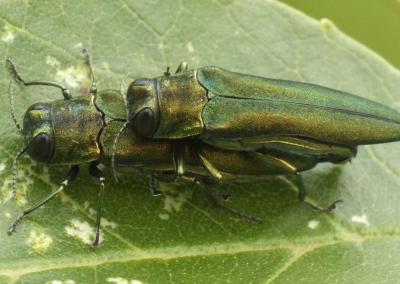
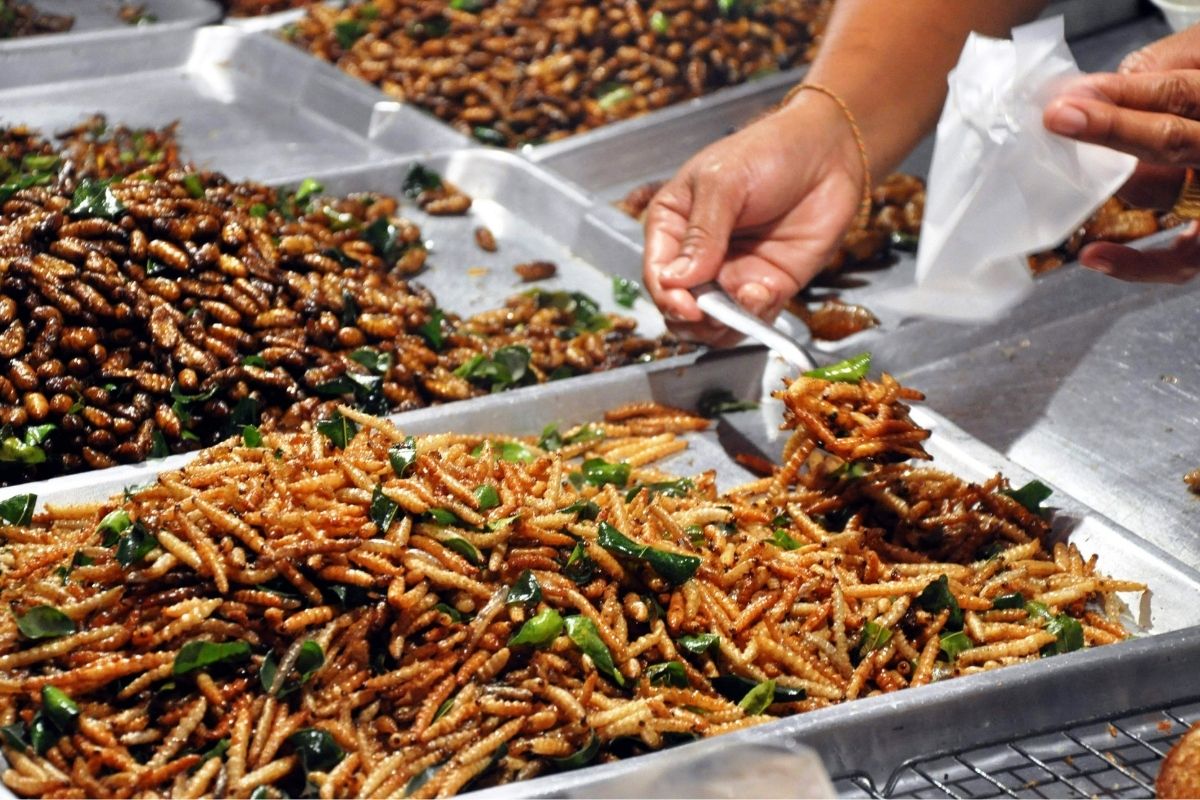
• insects (e.g. house crickets, larvae of the great mealybug);
• products with artificially created nanomaterials;
• oil of the microalga Schizochytrium sp.
• mushrooms, bread, milk, baker's yeast treated with ultraviolet radiation to increase vitamin D content.
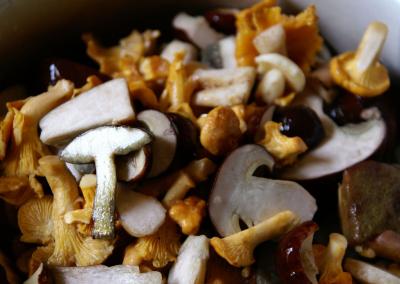
The HMVT often receives enquiries about a variety of mushrooms that are currently popular. Their novel food status also varies, e.g.:
The fruiting body of the mushroom „Lion's mane“ (Hericium erinaceus) is not considered a novel food, but dehydrated mycelial powder – is already a novel food. The Showy Pitcher Plant (Black Birch Mushroom, Chaga) is not a novel food only when used in food supplements. Its status in other foods (not food supplements) is considered as a novel food.
To find out the novel food status of a particular ingredient, it is useful to consult the European Commission's Catalogue of Novel Food Status, which is regularly updated with information provided by Member States. If a product is considered as novel, it is subject to authorisation. This involves submitting an application to the European Commission, which assesses it and then forwards it to the European Food Safety Authority (EFSA), which carries out a safety assessment.
Business is concerned for a simple reason – non-compliance with the novel food rules means that the food cannot be placed on the market. It is therefore essential to check whether the food or its ingredient is exempted from the novel food requirements before it is marketed, and in case of doubt, to consult the authorities in the European Union country where the product will be first introduced to consumers.
Although novel food regulation may seem complex, it is designed to ensure that innovation reaches our plates safely.
Similar articles


Video