
































Farmers block roads in Greece to protest against rising costs and the Mercosur agreement
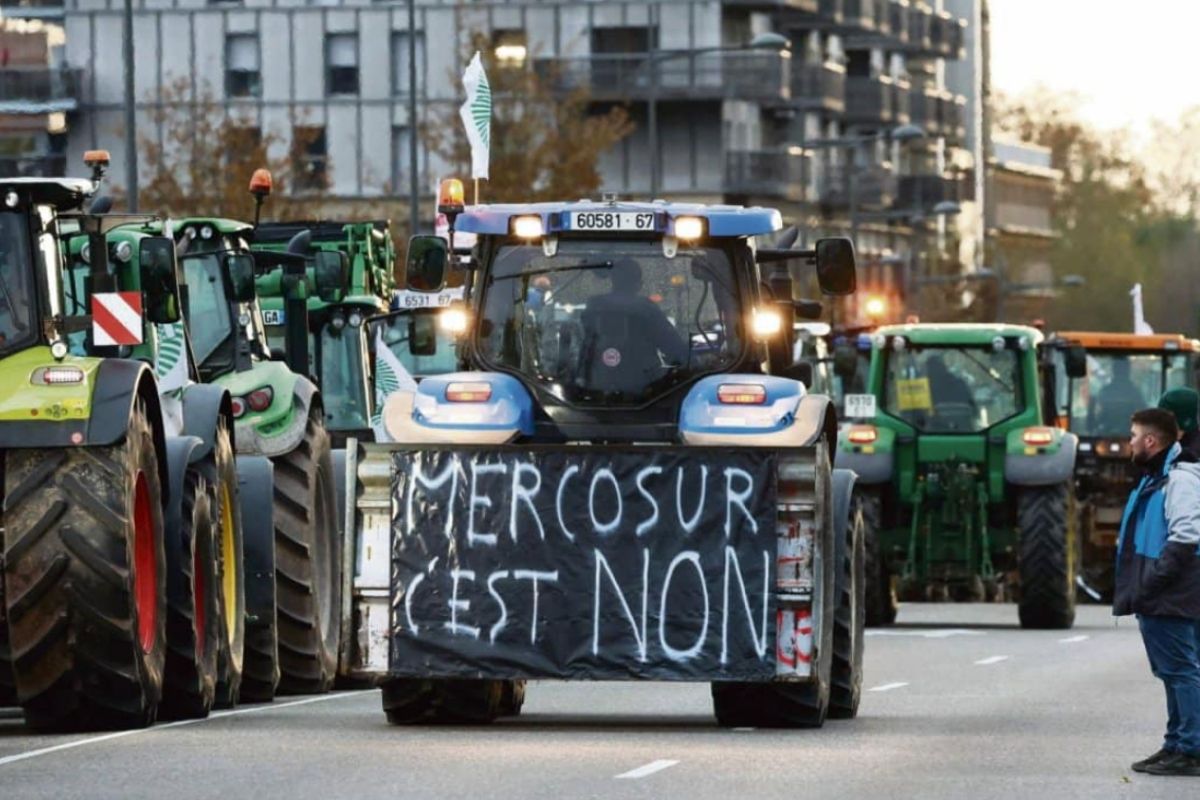
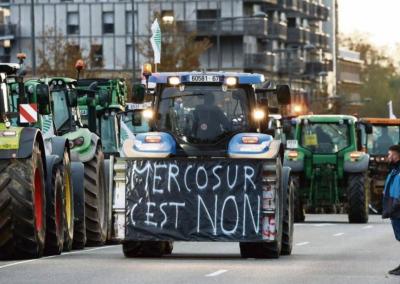
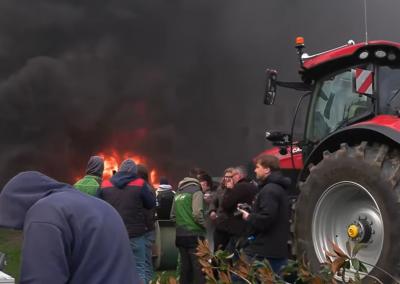
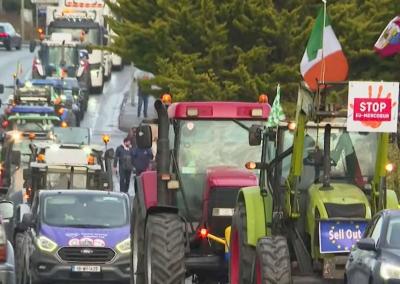
Farmers in Greece on Thursday expanded their nationwide protests and launched a 48-hour blockade of major roads, intersections and toll plazas over rising production costs and the European Union's (EU) disputed trade deal with the South American Mercosur bloc.
Trucks lined up on the country's main roads and stopped all traffic except ambulances. Police diverted traffic to secondary roads whenever possible and made no attempt to disperse the blockades.
But the country's conservative government has warned that it will not tolerate more blockades.
The country's main motorway linking Athens to the northern city of Thessaloniki was closed in both directions in several places as farmers demanded more state aid and the rejection of the EU-Mercosur deal.
„We have reached a breaking point“, said Janis Baritas, a cabbage farmer and father of five, at a roadblock in southern Greece. „We will stay here as long as it takes to support our families. They are driving us to despair," he said.
The protests, which began in November, were initially linked to rising production costs, which have been exacerbated by a series of crises: a subsidy fraud scandal that has delayed legitimate payments and an outbreak of sheep and goat pox.
On Wednesday, the government announced a series of concessions, including cheaper electricity for farmers and fuel tax breaks, in a bid to head off the latest protests.
The proposed trade agreement would create a broad free trade area between Europe and South American countries, including Brazil and Argentina. European farmers fear that this would lead to cheaper imports flooding the market, which has sparked protests in other EU countries including France.
„If this deal is approved, it will be the end of Greek agriculture“, protest organiser Vangelis Roubis told the news agency „The Associated Press“ outside the southern town of Halkida.
„Greece depends on agriculture and tourism. We do not have heavy industry like Germany or France. Production costs here are 300% higher than in Latin America," he said.
Tomatoes, Mr Roubis said, are a case in point: Greek farmers need 35-40 cents per kilo to break even, compared with around 10 cents in Brazil.
He added: "We want Greece to join the ranks of the EU countries that reject this agreement."