















































Farmers' anger grows as roads are blocked in Greece
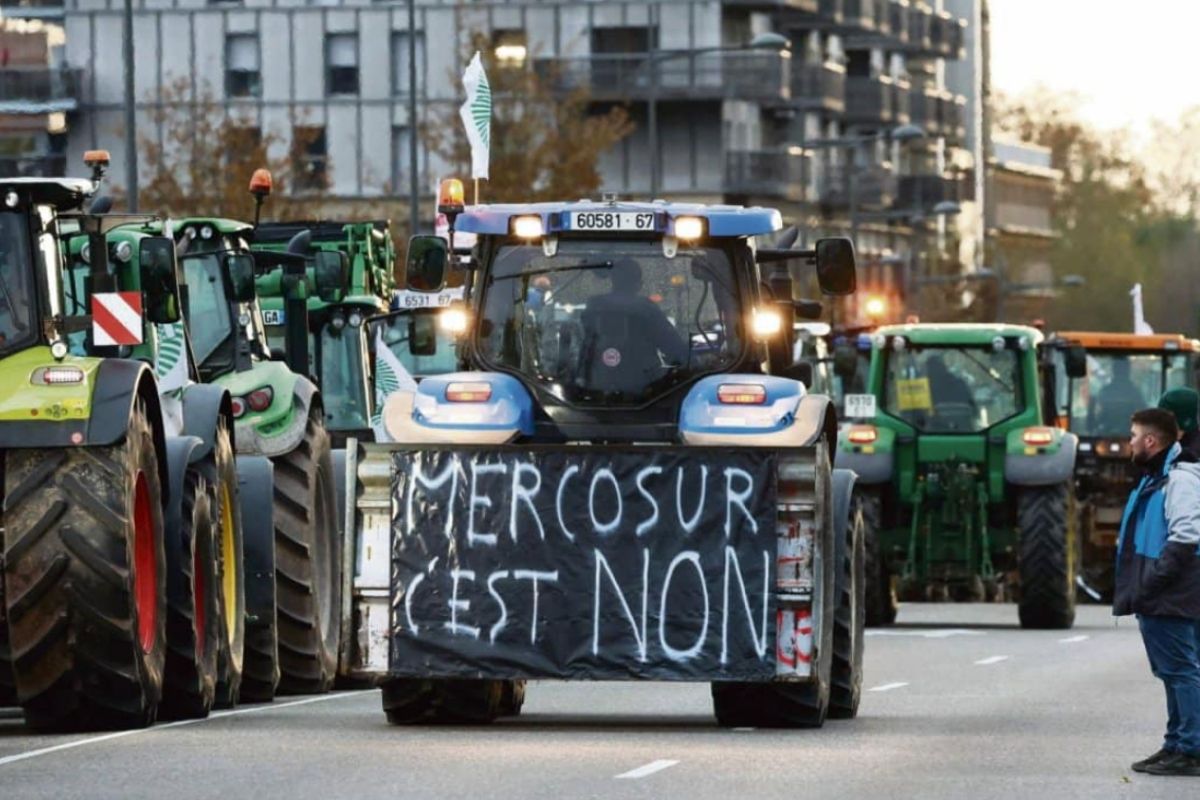
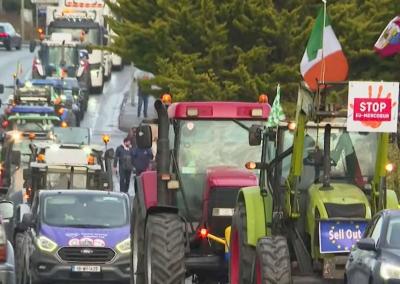
After the failure of the third round of negotiations with the government, Greek farmers are stepping up their protests against corruption, Mercosur and rising costs.
The protests, which have been going on since 30 November, have subsided over Christmas and New Year, and now farmers are announcing new and even tougher blockades across the country.
Following talks on Sunday, protesting farmers issued a statement saying that the tightening of the form of the protests „is a necessary response to the Greek government's lack of political will to address the problems of the agricultural sector“.
The protests are currently taking place in 62 locations across the country, according to foreign press reports.
A 48-hour blockade of the main highways has been announced and is due to start on Thursday 8 January. The closure of major transport routes is planned.
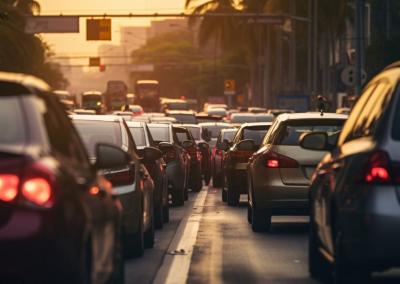
Greek media already reported traffic disruptions on motorways leading to Athens on Sunday afternoon.
Transport disruption and rising prices
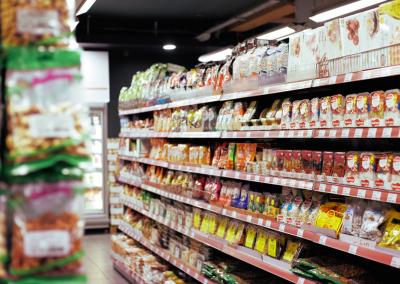
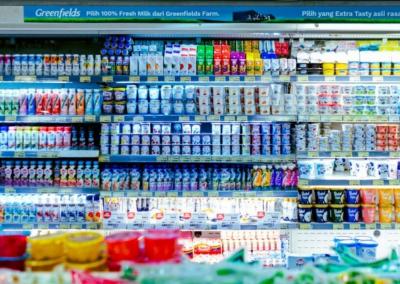
Farmers' protests have already caused serious disruptions in local supply chains, especially in freight transport north–south. According to Greek data, transport and distribution costs have risen by 10–25% per month. It is only a matter of time, it is stressed, before rising transport costs are reflected in the price of goods in the shops.
Market analysts are not yet reporting empty shelves, but significant delays in the supply of raw materials to factories and delays in the delivery of goods to retail chains are already being observed.Protest against corruption, „Mercosur“ and rising costs
The protest by farmers in Greece has been ongoing since 30 November. The demands include the payment of European Union subsidies, which the protesters say have been delayed due to an ongoing investigation into possible government corruption in Athens. They are also demanding that Greece renounce its support for the EU-Mercosur trade agreement with South American countries.
Farmers are also protesting against rising production costs and low farm gate prices, which they say are strangling the sector and making agriculture unprofitable. They are also demanding VAT exemptions and the withdrawal of duty-free access to agricultural imports from non-EU countries.

Similar articles


Video