






































Hormonal meat scandal could bury the EU-MERCOSUR agreement
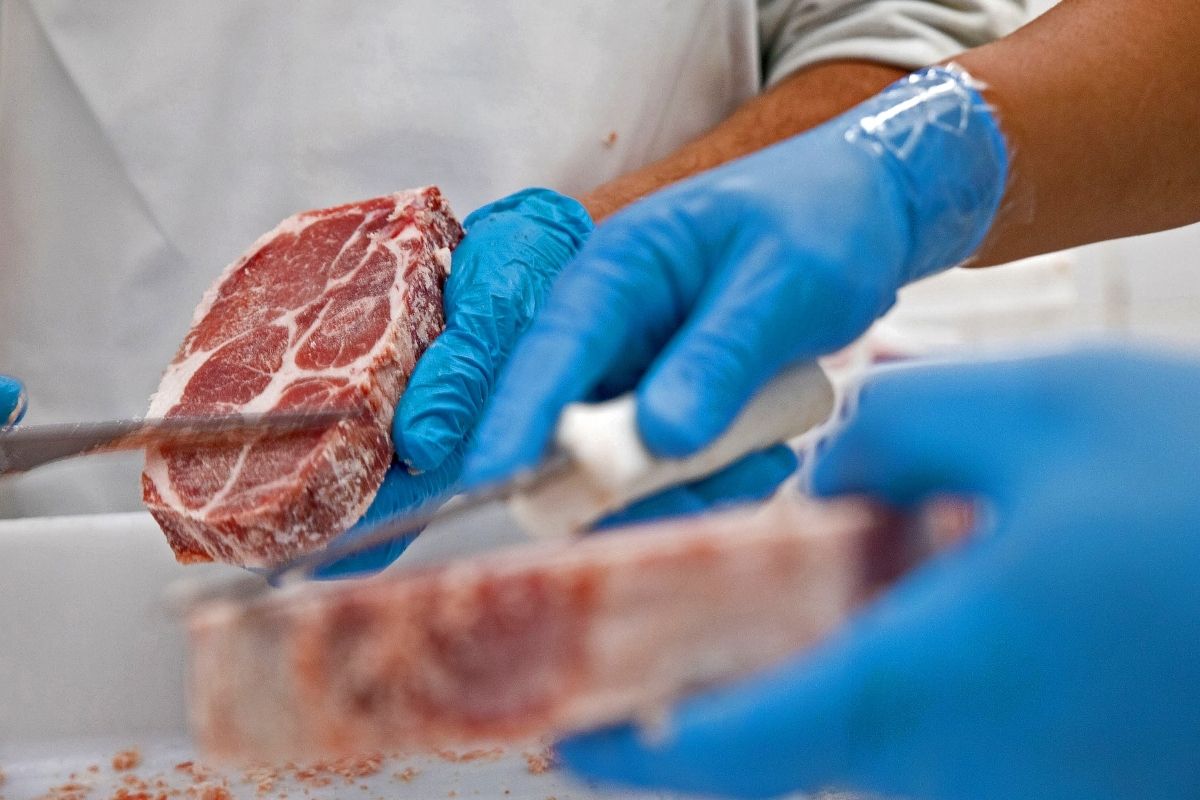
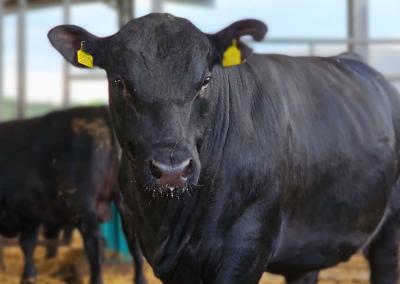
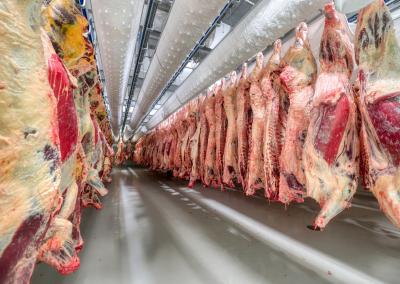
German media reported on Friday on a journalistic and institutional investigation that could shake up a planned trade agreement between the European Union and the Mercosur bloc. Investigators in Brazil have discovered that some of the beef destined for export to the EU has been produced using banned growth hormone substances – this is in direct contradiction to strict EU rules. Agrarheute.de calls the scandal one of the biggest in the last decade and its consequences could determine the future of the EU-Mercosur agreement.
„Agrobite“ recalls that Lithuania has agreed in principle to this agreement, despite warnings that it could have long-term negative consequences for its agriculture.
EU inspectors found that Brazilian slaughterhouses failed to ensure real controls, despite declaring on their paperwork that they were fully compliant with the EU's strict requirements.
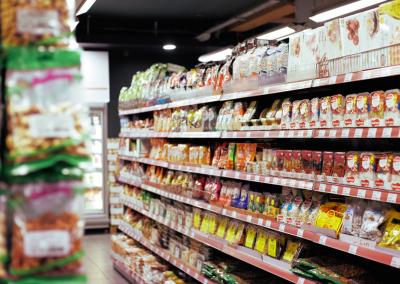
Hormonally treated meat could have ended up on European plates, even though in theory it should have been subject to the most stringent safety standards, which are still the basis of the EU-MERCOSUR agreement.
Growth hormones have been linked by scientists to an increased risk of cancer and endocrine disruption.
Separate EU countries have already reacted to the information – suspect consignments have been stopped and some beef lots – recalled during transport procedures.
So far, the EU and Mercosur have been negotiating a wide-ranging free trade agreement. At its heart is the exchange of agricultural and industrial products, in which Brazilian beef features prominently.
European farmers have previously warned that cheaper meat from South America, produced with significantly lower environmental and animal welfare standards, will entrench unfair competition between farmers on the two continents.
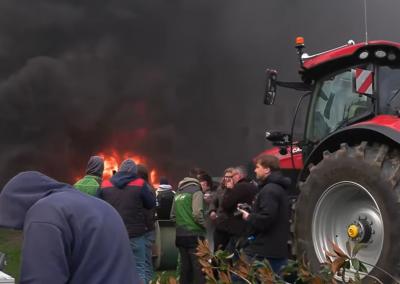
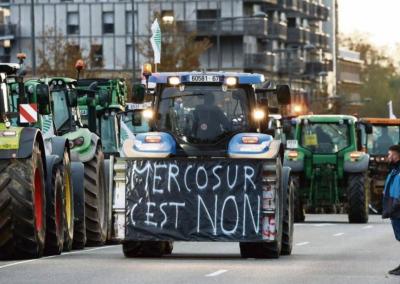
On 18 December. On 18 December in Brussels, the farmers' organisation Copa-Cogeca will organise a major protest involving around 10,000 farmers from various European countries.
Politicians from several EU countries are openly arguing that the negotiations should be stopped immediately. They argue that if partners cannot guarantee basic food safety standards, the agreement loses any basis for trust. Even those who have previously supported trade liberalisation admit that the crisis of confidence is so deep that the concerns of the public and farmers will have to be listened to.
European farmers' organisations argue that the scandal reveals a systemic problem: competition rules are not level in the EU market. While European farmers are bound by strict rules on animal welfare, antibiotics and hormone bans, imports from third countries do not.
There are protests in many countries against the Mercosur agreement. Farmers say that an unprotected market would destroy their economies while lowering the bar for food quality standards that Europe has built for years as one of the foundations of its identity.
And while the EU institutions stress that safety – is not negotiable, practice shows that controls in international supply chains are complex and declarations often do not reflect reality.

Similar articles


Video