
















































Mercosur farmers assess the agreement with the EU: fear of Brazilian domination

Mercosur agricultural organisations welcome the signing of a trade agreement with the European Union, but point to two major concerns: possible additional requirements from the EU and unequal competition within the region, writes the Polish press.
FARM, the federation of Mercosur agricultural organisations, calls the agreement historic. Its representatives attended the signing ceremony on 17 January. The FARM agreement was signed on 17th January in Asunción. According to FARM Vice President Martín Rapetti, after more than 25 years of negotiations, this is a very significant step, although the final entry into force still requires parliamentary approval.
FARM President Jorge Andrés Rodríguez stressed that the European market is one of the most demanding in the world, which is why producers in Mercosur are not focused on quantities, but on the high quality of production. The agreement opens up a market of some 800 million consumers and offers new opportunities for investment, technology and sustainable food production.
However, the organisation criticises the safeguards and the so-called "mirror clauses" in the agreement. FARM fears that the EU may impose even stricter requirements on South American products in the future, which would make trade more difficult.
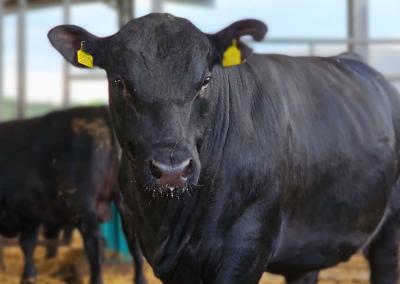
There are also concerns about Brazil's dominance – this country accounts for more than 70% of Mercosur's trade with the EU. Smaller countries such as Uruguay or Paraguay are worried that it will be more difficult for them to benefit from the agreement, especially in the livestock sector.
Despite the challenges, FARM remains optimistic that the agreement will be ratified and will provide a real boost to Mercosur's agricultural development.
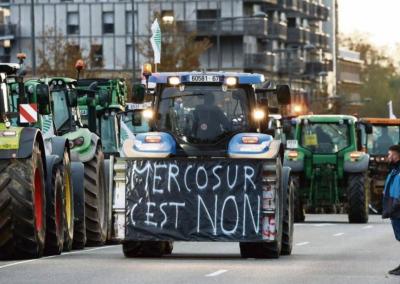
European farmers, meanwhile, see more threats. They oppose the influx of cheaper goods produced to lower standards and using banned pesticides, and those fears are certainly justified.
„Agrobite“ recalls that back in late 2025, Brazil submitted to the European Commission a so-called „pre-listing“ list of companies that will be able to export eggs and egg products to the EU. This means that the EU has abandoned individual audits of each company, transferring primary control responsibility to the Brazilian authorities.
This situation highlights the main conflict today: while farmers are seeking to block or substantially modify the agreement, the mechanisms for its implementation are already starting to work at a technical level.
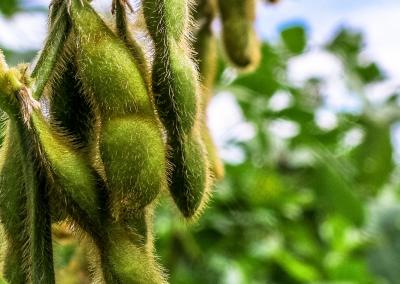
It is claimed that the agreement will favour European exports of cars, wine and cheese, while making it easier for South American beef, poultry, sugar, rice, honey and soya beans to enter the European market.

Similar articles





Video