





























































Wolf population management - is it really solving livestock farmers' problems?
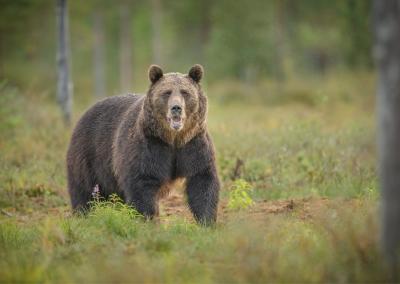
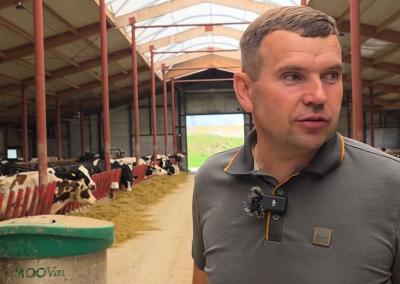
In recent weeks, two different wolf-hunting stories have appeared on social media, sparking debate and a closer look at predator population management. Here we talk to biologist Petras Adeikis, who says that these two cases show very clearly the difference between two approaches: qualitative wolf population management and quantitative wolf regulation, where the most important criterion is not which wolves are removed, but how many predators are removed.
„The wolf population should be managed qualitatively first and then quantitatively“, – stresses the biologist.
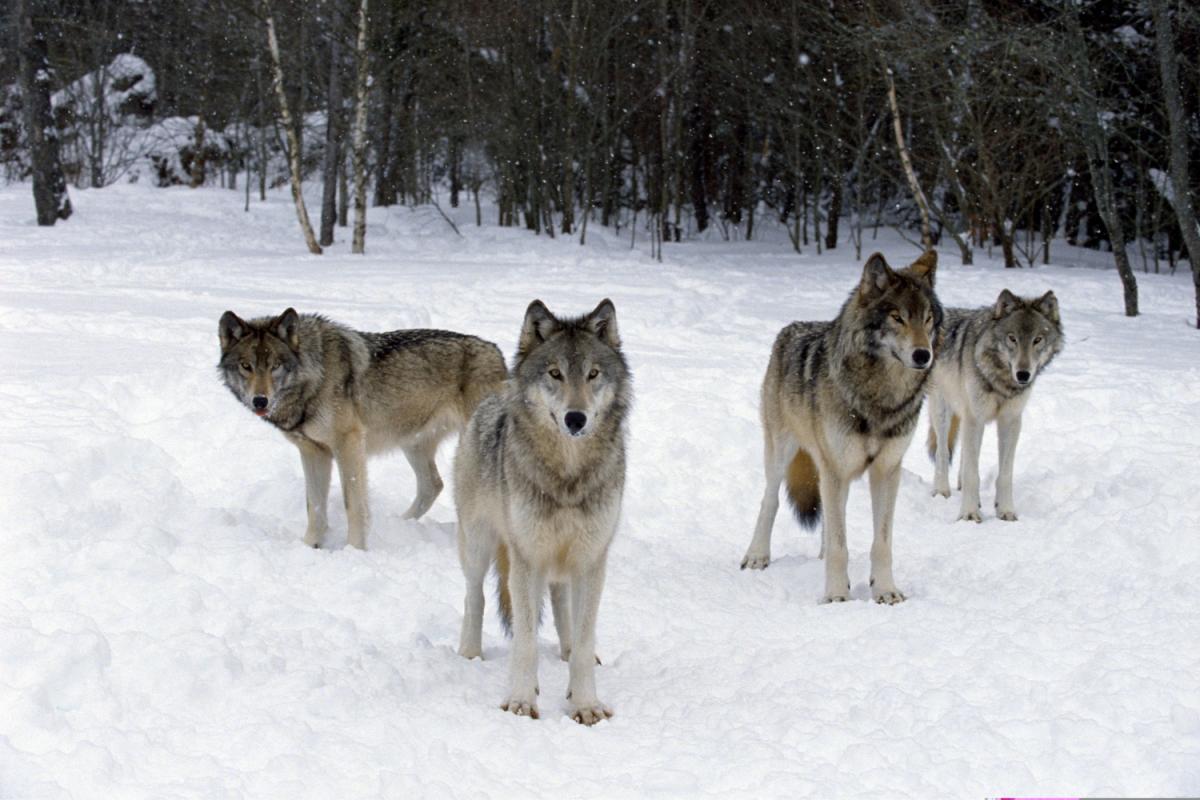
Not a gang, a family
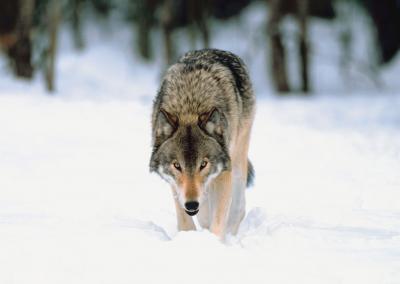
„Wolves are social animals and they live in families, not gangs. The word gang has an overly negative connotation, such as gangs of bandits – gangs of wolves. It is as if these animals are inherently harmful. In reality, it is not wolves that cause harm, but the mismanagement of the wolf population," Adeikis begins the conversation.
According to the biologist, the structure of the wolf family is the basis for whether predators will prey on big game such as elk, deer, roe deer, wild boar or fallow deer, or whether they will begin to cause harm to humans, especially livestock farmers.
„My research shows that it is individual wolves, not wolf families, that are killing livestock“, he continues, adding that he believes that wolves themselves do not harm wildlife. On the contrary, healthy wolf families could help regulate deer populations.
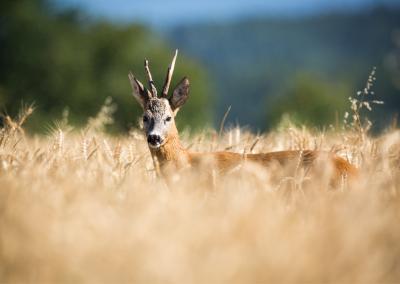
Scientific studies show that wolves feed on deer, whose current population in Lithuania, according to Mr Adeikis, has increased by a few times rather than a percentage.
„The increased deer population is damaging agriculture and forestry. That is why the Ministry of the Environment has removed the hunting limits (except for the moose), because the damage caused by these animals is very serious and hunters are no longer managing their populations. But it is a healthy wolf family that would be a help in this," says the biologist.
Two stories...
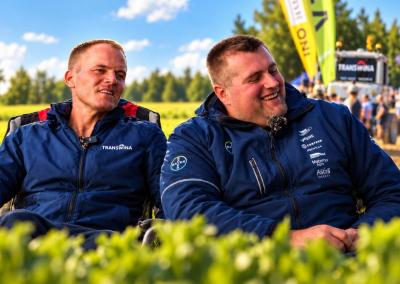
P. Adeikis shared on his „Facebook“ account last week the story of how he managed to hunt a three-legged wolf in two days.
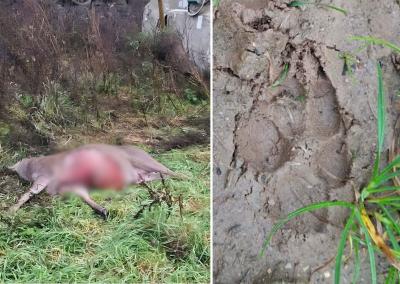
„This is a problem wolf, because with only three legs, it is no longer able to run with its family, it is separated from them, and it cannot hunt normal prey on its own. In other words, it would soon have become a problem wolf, because in the absence of food, it would have started to go into villages and kill dogs, and when the grazing season started, it would have started to kill livestock," the biologist says.
Meanwhile, another hunter, – Deividas Staponkus – shared a completely different story. On his account, the man told the story of a failed shot, after which the wounded wolf escaped and the blood trail failed to find it.
A few days later, Staponkus uploaded another post saying that on another hunt he had managed to attract his whole family instead of the wounded wolf, and that he had chosen the alpha male as his catch that night.
...two views
„What breaks up wolf families? Hunters who hunt wolves and manage the population quantitatively but not qualitatively“, – says Mr Adeikis. Asked how he feels about Staponkus's two hunting stories, he points out two key points: in the first case, the family wolf was injured, which, according to the biologist, could become a problem wolf, and later, if the choice is made to take out the family's alpha male, the entire wolf family could become a problem wolf.
„Here are two examples – one where a problem wolf is removed, as wolf population management should evolve and the damage to livestock producers is addressed, and the other – where the best wolf is removed for attention and honour. This is wrong. Hunters are not solving the problem of wolf damage, they are exacerbating it, –, – the biologist has no doubts. He adds that it would be interesting to take a closer look at the area where these hunts have taken place and assess whether the summer and the start of the grazing season might not also lead to the start of the culling of livestock.According to Mr Adeikis, qualitative management means removing problematic individuals or offspring from the population rather than the dominant members of the family, which ensures the stability of the family.
Similar articles




Video