




















Farmers are reporting increasing damage in the wake of the storm, and there are also concerns about the sowing of winter cereals
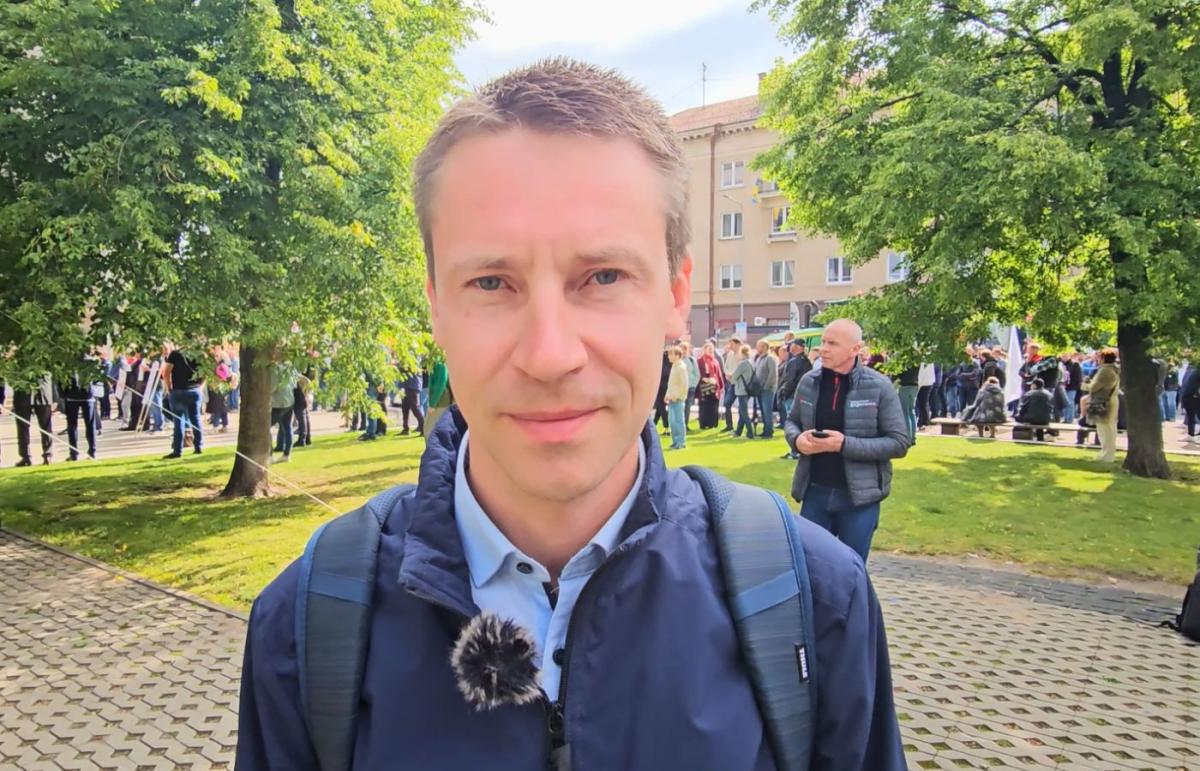
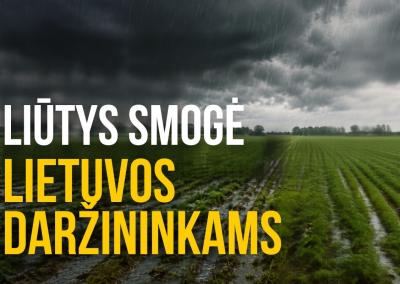
Two weeks after the massive storm that ravaged Lithuania, the situation for farmers is not improving – due to the continuing rainfall, further damage to the harvest is being recorded, and some farmers are already worried about whether they will manage to sow their winter crops, says Gedas Špakauskas, chairman of the Lithuanian Farmers’ Union (LŪS).
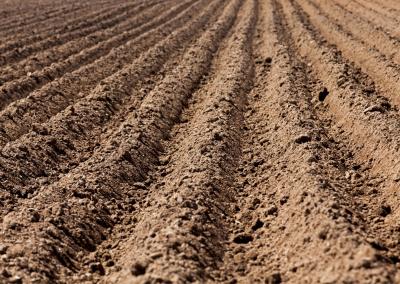
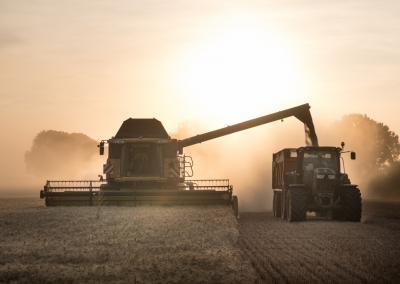
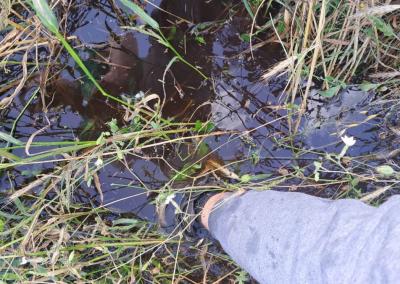
“The situation for farmers has not improved at all, and this sort of weather is set to continue. The days are getting shorter, the nights longer, and the weather is getting worse. We are no longer discussing those areas where the harvest has not yet been brought in, but we are even worrying about those areas that managed to harvest their crops – whether they will be able to sow winter cereals in time, as the soil continues to be waterlogged and is not drying out“, G. Špakauskas told ELTA.
According to him, farmers who did not initially apply for compensation have suffered significant losses over the past week and, having documented the damage, are now seeking assistance. As an example, the LŪS director cited the Skuodas district, where, he said, a further 40 millimetres of rainfall had fallen this week, resulting in new waterlogged areas in the fields.
“It turns out that new damage is already being recorded here, not just the damage that led to the declaration of a state of emergency. (...) And the recording of this damage, as I mentioned, is continuing, continuing“,” said G. Špakauskas.
The Ministry of Agriculture (ŽŪM) has asked local authorities to gather information on the damage suffered by farms by 11 September.
The Ministry is also urging farmers to contact their local authorities and submit applications for the assessment of damage caused by the storm. Once preliminary data has been received, a decision will be made on whether to apply to the European Commission (EC) for potential support.
Mr Špakauskas urges farmers to document the damage regardless of whether it is currently clear whether compensation will be awarded for it. According to him, the data collected could also be important when deciding on future investments in land drainage, generators or other infrastructure.
Regarding state aid commitments – no sanctions apply, but this does not apply to business relations
The Ministry of Agriculture states that for agricultural entities implementing the investment measures set out in the 2023–2027 Strategic Plan for Lithuanian Agriculture and Rural Development, are not expected to face sanctions for obligations and requirements not met this year, provided this was caused by the extreme weather events of 22 August or related power supply disruptions.
The Ministry also states that it is preparing a draft ministerial order under which such beneficiaries would not be required to submit documents and evidence to the National Paying Agency (NMA) of documents and evidence regarding the occurrence and cessation of force majeure or exceptional circumstances.
However, according to G. Špakauskas, such concessions do not in themselves resolve farmers’ obligations to private companies or financial institutions.
“Unfortunately, when it comes to business relations and obligations to banks and the like, we are of absolutely no interest to anyone whatsoever. This means that farmers bear the full risk themselves“,” said the chairman of the Lithuanian Farmers’ Union.
He stated that farmers are trying to negotiate with fertiliser suppliers, grain buyers and other business partners regarding the deferral of payments. However, according to him, such agreements are only possible on a voluntary basis.
“Unfortunately, there are no such force majeure circumstances. (...) Only a completely voluntary agreement,” said G. Špakauskas.
The LŪS chairman also drew attention to the environmental obligations under support programmes. According to him, due to waterlogged fields, it may be difficult for some farmers to adhere to the prescribed crop rotation, whilst farmers are sometimes required to repay support already received for several years’ worth of unfulfilled commitments from previous years.
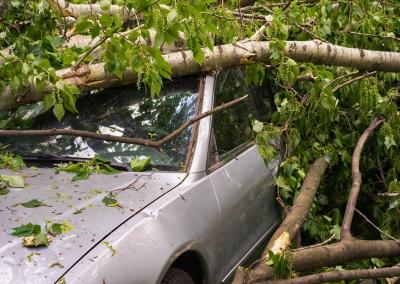
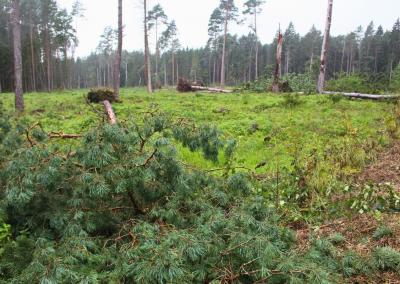
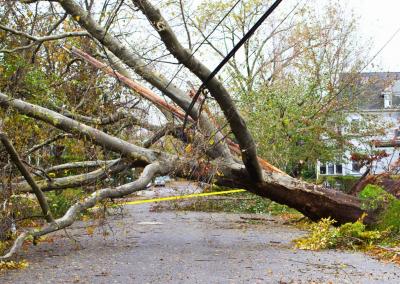
ELTA reports that the storm which hit Lithuania on 22 August caused trees to fall in many parts of the country; one person was killed and four others were injured.
Due to the aftermath of the storm and the losses suffered by farmers, the Government declared a national state of emergency. This was initiated by the Minister for Agriculture, Kęstutis Mažeika.
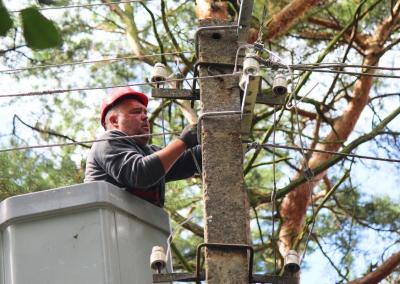
At the height of the storm, the electricity supply was disrupted for more than 268,000 ESO customers, and more than 9,000 faults were recorded on the electricity grid.
The financial impact of the storm is estimated at around 18 million euros – restoring the electricity grid will cost around 10 million euros, with a further 8 million euros set aside for compensation to ESO customers.
Insurers have already recorded nearly 14,000 insured events relating to the storm, with the total damage exceeding 13 million euros.

Similar articles

Video