








































Three weeks without electricity, millions of euros in compensation: how much will residents and farmers receive following the storm?
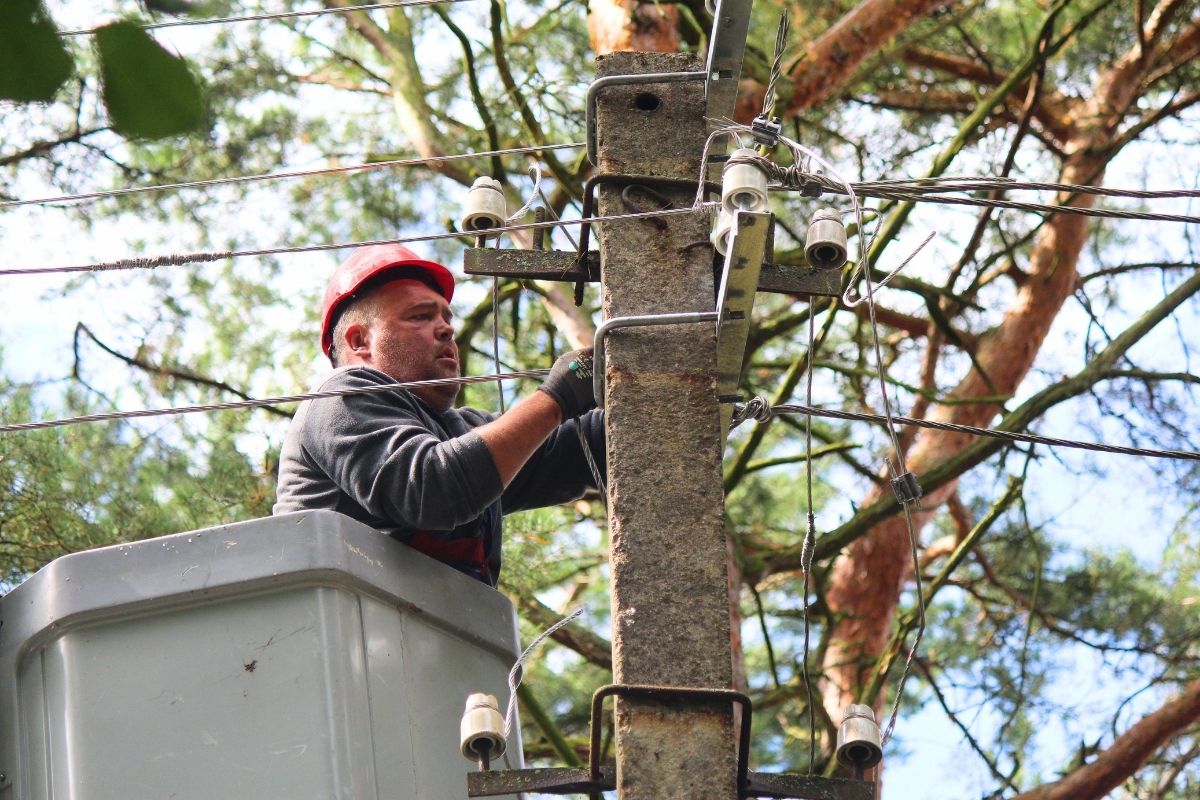
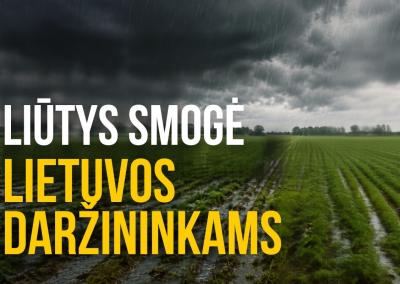
The storm that swept through Lithuania on 22 August left thousands of residents and businesses without electricity, whilst some farmers suffered serious financial losses. “Energy Distribution Operator” (ESO) reports that it has calculated compensation totalling more than €5 million for 70,000 customers whose electricity supply was not restored within the 72-hour period stipulated by law.
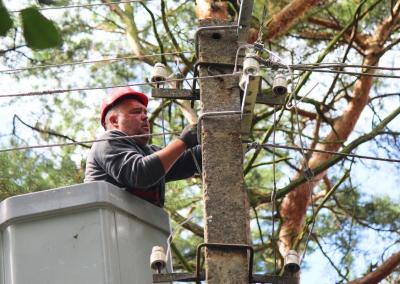
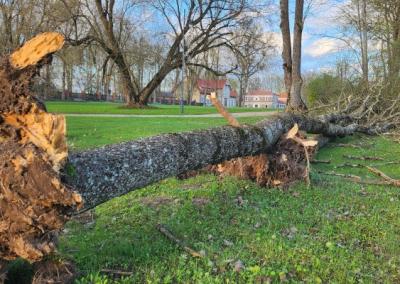
The storm of 2026 was the most severe since the 1970s. According to ESO data, at the height of the storm, more than 268,000 customers were without electricity, and over 11,000 network faults were recorded. More than 400 teams and over 1,000 staff worked to repair the faults. Power was only restored to the last customers in the Zarasai and Ignalina districts on 12 September – three weeks after the storm.
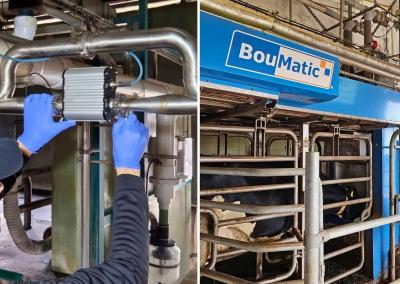
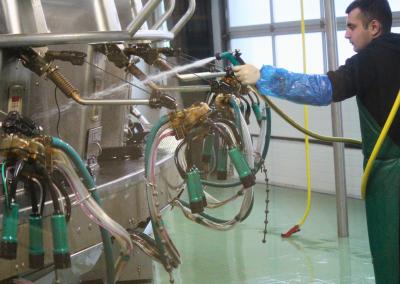
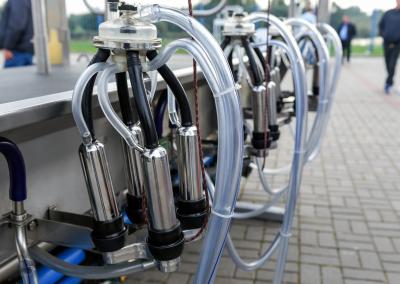
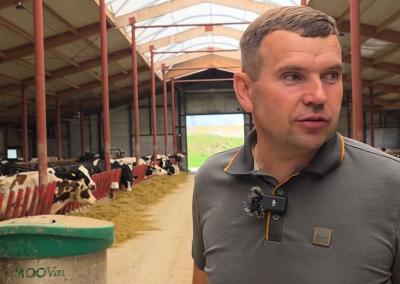
Such disruptions are particularly damaging to the agricultural sector. Without electricity, milking equipment, milk coolers, grain dryers, and systems in feed preparation and livestock farming complexes come to a standstill. Audrius Zalatorius, head of the company “Genetiniai ištekliai”, told LRT that losses due to the storm amounted to around 10,000 euros. As the generators were unable to cope with the load, milk that had not been properly chilled had to be discarded for two days.
On 31 August, the National Energy Regulatory Council (VERT) officially recognised the power supply disruptions caused by the storm as an accident affecting the entire mainland territory of Lithuania. This provided the legal basis for the payment of compensation. This compensation is payable to both residents and business customers, including electricity consumers engaged in agricultural activities.
Compensation is calculated on an individual basis: it comprises 30 per cent of the annual electricity transmission service charges, plus an additional 0.7 per cent for every hour exceeding the 72-hour restoration period. For an average domestic consumer using around 150 kWh per month, the fixed component amounts to almost 45 euros, and each additional hour increases this by approximately 1.05 euros. Thus, if there were no electricity for five days, the compensation would amount to around 95 euros. For households consuming more electricity, the amount may be considerably higher.
ESO spokesperson Rasa Juodkienė emphasises that there is no need to make a separate application for this compensation – it is calculated automatically, and customers are notified by email. If the company has a bank account number, the money will be transferred within 30 calendar days of notification. Other customers must provide their account details within six months, and the payment will reach them within 30 days of the details being submitted.
It is important to note that this compensation does not preclude the right to claim compensation for direct losses. A simplified procedure applies to residents: if electricity is restored within 3–6 days, up to 220 euros can be claimed; within 7–13 days, up to 440 euros; and after 14 days or more, up to 660 euros. Business customers may apply on an individual basis for compensation for justified losses.
ESO has already paid out nearly 700,000 euros in compensation for direct losses. The most common claims relate to the cost of purchasing or hiring generators, fuel and spoiled food. It is particularly important for farmers to keep their invoices, fuel receipts, records of damaged produce and other evidence substantiating the losses incurred.
However, compensation running into millions raises a fundamental question: can these payments replace a reliable electricity supply? In agriculture, even a few hours without electricity can mean lost produce, disrupted production and losses running into the thousands. Therefore, it is not only compensation for damages that is important to farms, but also the resilience of the electricity grid to future natural disasters.

Similar articles

Video