


























































Norwegian fish, Belarusian statistics: what really feeds Russia?
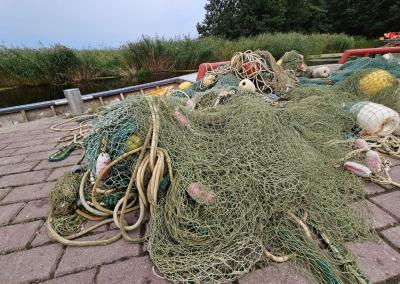
In 2025, Belarus became the largest supplier of fish products to Russia, exporting 112,000 tonnes of fish and fish products worth €336 million to Russia. The country's fish and fishery products amounted to 112 million US dollars. In terms of export volumes, Belarus was ahead of China (96 000 tonnes) and Turkey (75 000 tonnes). At first glance, these figures may give the impression that Belarus has become one of the most important fishing nations in the region. However, this is a statistical paradox as the country has no direct access to the sea or the ocean.
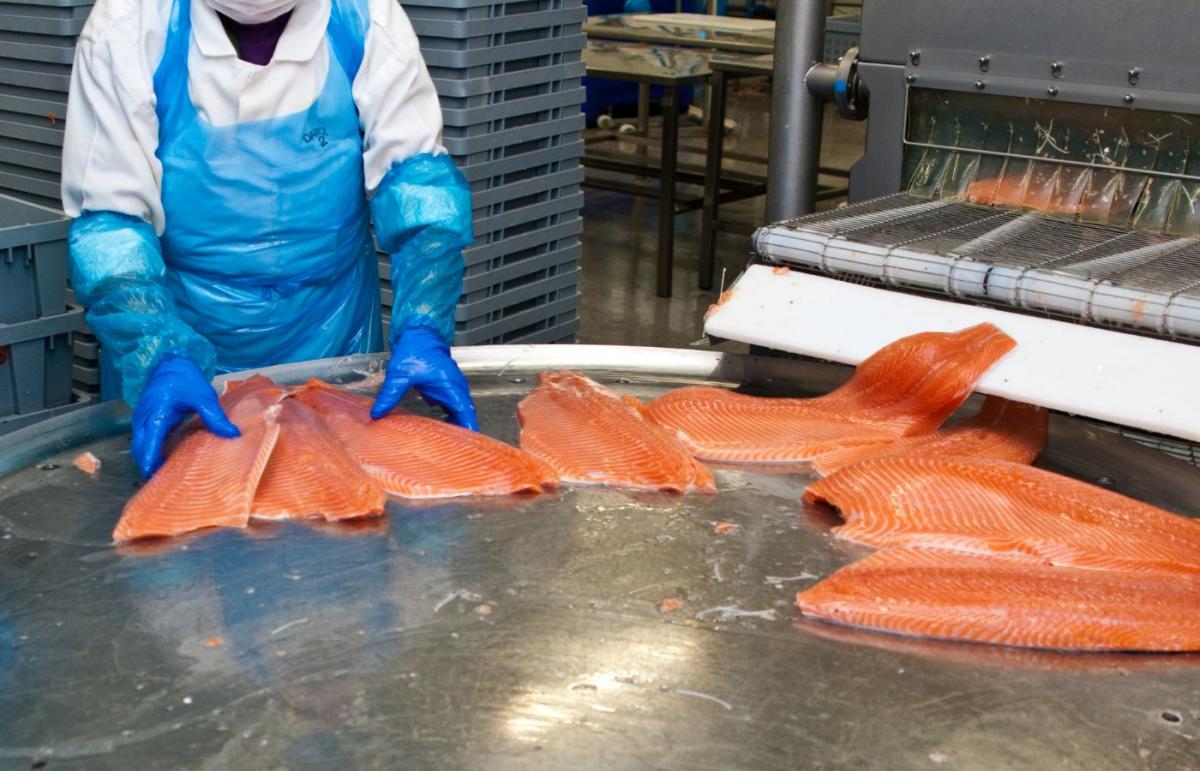
In reality, Belarus' fish export figures do not reflect the development of fishing, but rather the structure of trade and processing. Belarus' role in the Russian fish market is not based on local catches but on a re-export and processing model. Most of the fish entering Russia from Belarus is caught in third countries and imported into Belarus as frozen or semi-processed raw material. Processing factories in the country convert this raw material into fillets, semi-finished or finished products, which are then exported as Belarusian goods.
A similar mechanism was seen in the case of the so-called "Belarusian prawns". After Russia's occupation of Crimea in 2014 and the Western sanctions, Moscow imposed wide-ranging bans on food imports from the European Union, the US, Canada, Norway and other countries. These restrictions included fish and shrimps. Soon after, media reports appeared about Belarusian shrimps, even though the country itself has neither the infrastructure for shrimp fishing nor for shrimp farming. This was a classic example of re-export: Belarus, with its free trade agreements with Russia, became an intermediate link through which products imported from other countries entered the Russian market.
Under the current trade structure, Belarus's main suppliers of fish are countries in the distant-water fishing regions. The largest imports come from Russia – mainly Pacific fish – cod, hake. This fish enters Belarus as frozen raw material and is often returned to the Russian market after processing. Significant quantities of fish also come from Norway, mainly salmon and other higher value fish, which are processed in Belarus and distributed to markets in the region.It is true that Norwegian fish does not reach Belarus through direct trade, but through intermediaries in the European Union and Russia, so that it tends to be "dissolved" in Belarus' official import statistics as imports from third countries. Based on the analysis of the structure of trade flows and the assessments of market participants, it can be assumed that around 20 % to 30 % of the salmon and white fish processed in Belarus may be of Norwegian origin. This would imply around 20–35 thousand tonnes per year, depending on the specific year and market conditions.
Another important import destination for Belarusian fish is South America and the Atlantic region, in particular Chile, Argentina and some West African countries. These markets import frozen hake, mackerel and other mass-market fish which are well suited for industrial processing. Additional flows come from Asian countries, including China and Vietnam, mainly as semi-processed products or as raw material for further processing.
Belarus' import structure is not dominated by high value-added final products, but by raw materials which are processed according to the needs of the Russian market and shipped out with a relatively low, but stable value added. This scheme is particularly effective in an environment where direct Russian imports from Western countries are limited.
Geopolitical factors have reinforced this pattern. Russia's import restrictions and counter-sanctions have fundamentally reshaped food supply chains in the region. Belarus has become one of the main alternative destinations, as trade between the two countries is conducted under simplified customs and veterinary control procedures. This allows fish flows from global markets to Russian consumption to be quickly routed through Belarus' processing infrastructure, giving the impression of "fish leadership" in a landlocked country.

Similar articles




Video