






















One million hectares in one hand: how to become the largest landowner in the US
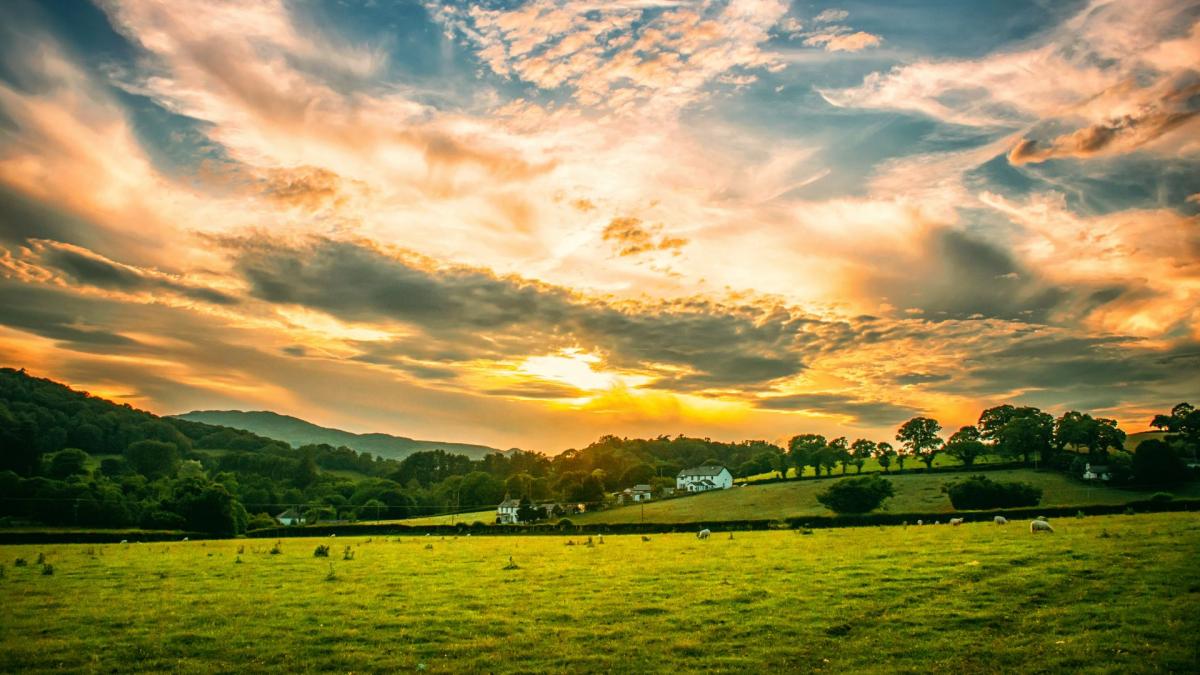
U.S. billionaire Stan Kroenke has become the largest private landowner in the country in recent years, having recently acquired more than 400,000 hectares of land, bringing his total landholding to more than 1.09 million hectares. This equates to around one third of the agricultural land in Lithuania, which is around 3.5 million ha.
The largest Kroenke transaction took place in New Mexico, where some 380,000 hectares of ranches and pastures were bought. This transaction is considered one of the largest land purchases in the US in more than 10 years.
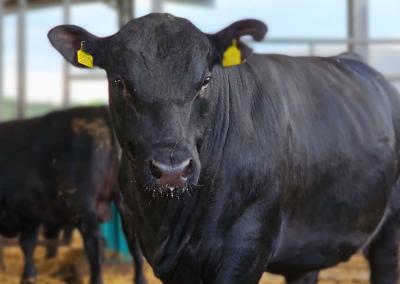
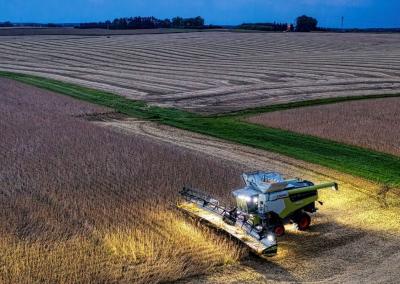
Kroenke's holdings span several states – from Wyoming, Montana and Colorado to Texas and New Mexico. Most of this land is used for cattle ranching, but some areas are also of strategic importance for water resources.
S. Kroenke is known as the owner of a sporting empire, which includes the London Arsenal, the NFL's Los Angeles Rams, the NBA's Denver Nuggets, the NHL's Colorado Avalanche, and the MLS' Colorado Rapids. According to „Forbes“ magazine, he has assets of over €12 billion. Land purchases are considered one of the most stable and long-term forms of investment.
Experts point out that land in the US has become rapidly more expensive in recent years. The average price of agricultural land in some states has risen by 30–50 percent in the 2020–2024 period alone. As a result, large investors are increasingly buying large tracts of land to protect against inflation and capital depreciation.
For example, Bill Gates owns about 242,000 acres of land (about 98,000 hectares) through an investment company, which is still four times less than the acreage owned by Mr Kroenke.
Land concentration is a growing debate in US society. Small and medium-sized farmers are often no longer able to compete with billionaire capital, and large transactions have a direct impact on land prices and the rental market. In some regions, land rents have risen by more than 40 percent in five years, making it difficult for young farmers to get started.
However, large landowners argue that such investments allow them to manage natural resources more efficiently, modernise their farms and ensure the long-term preservation of land. Kroenke's landholdings include some areas left to nature, wildlife conservation projects, and some ranches operating as limited-intensity farms.
The fact that one person owns more than a million hectares of land is a clear indication of the changing importance of land in the 21st century. It is no longer just a means of agricultural production, but also a financial, geopolitical and strategic asset.

Similar articles
Video