



















































A. Skaisgirytė calls for a solution to prevent Russia from using EU countries’ ports for grain exports
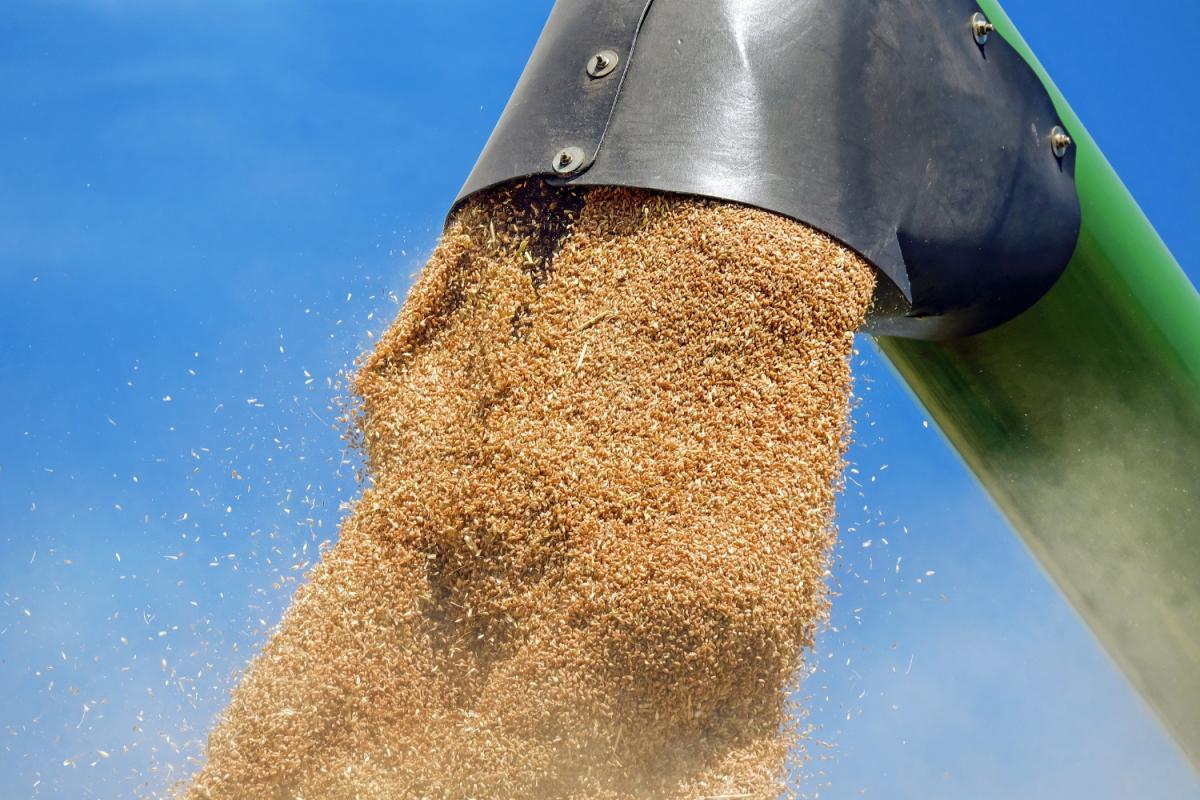
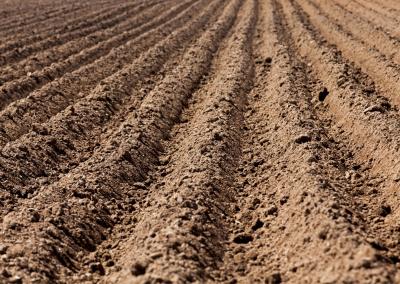
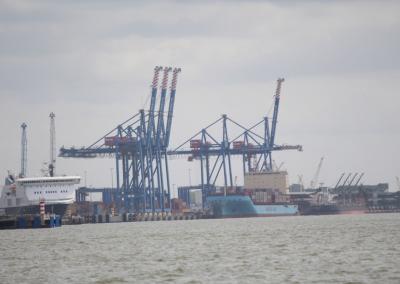
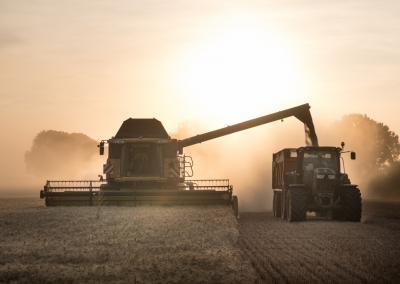
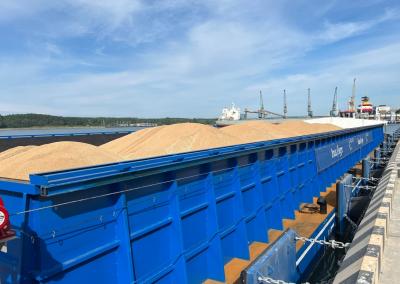
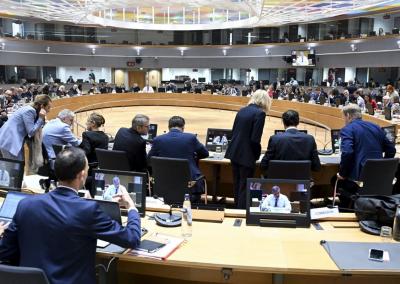
Asta Skaisgirytė, the President’s Senior Adviser on Foreign Policy, called on Tuesday for a solution to be found to prevent Russia from exploiting the Baltic Sea ports of Lithuania and other EU countries for grain exports.
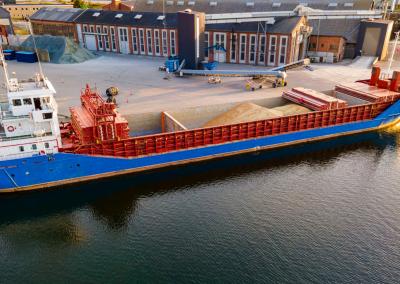
Foreign media had previously reported that, due to Ukrainian attacks on Russian transport infrastructure, Russia had been forced to reroute its grain exports via the ports of the Baltic states.
According to A. Skaisgirytė, the President’s Office would like to discuss this situation with the Government and the business community in Klaipėda.
“We would certainly like to discuss this with the Government to find out their views, and also discuss it with businesses operating in Klaipėda to find out how they view this situation, and seek a common understanding on how to ensure that our ports are not exploited so that Russia can easily transport that grain“, – Gitanas Nausėda’s adviser told Žinių Radijas on Tuesday.
This issue has also become a topical one in the region amid suspicions that some of the grain exported by Russia may have been grown on occupied Ukrainian land.
The Minister of Agriculture, Kęstutis Mažeika, recently instructed the State Food and Veterinary Service (VMVT) to check the origin of all grain transported through Lithuania from Russia and Belarus.
Latvia is also considering various restrictions to prevent the transit of grain through its territory, such as imposing hefty customs duties on such shipments.
A. Skaisgirytė says that a regional solution would be best in this situation.
“If Latvia becomes an unattractive place for loading (grain – BNS), whilst Lithuania remains attractive, that is not a solution. We should seek some sort of broader agreement amongst the Baltic Sea countries,” said the adviser.
She explained that the transport of Russian grain through EU ports is not illegal, as the EU has not imposed sanctions on this or any other Russian food products.
According to A. Skaisgirytė, the entry of Russian grain into the EU market has been prevented by huge customs duties, but this does not prevent its transit through the EU.
“These are not illegal actions, but the question is a political one: if we say that we do not want to help the Russian war machine in any way, that we want to cut Russia off from cash flows, should we then be involved in the transport of grain?“, she said.
As reported by BNS, the State Food and Veterinary Service (VMVT) took samples of one grain consignment at the port last week and will have their origin tested at a foreign laboratory.
According to the agency’s spokesperson, Aistė Prielgauskaitė, it is suspected that the country of origin may be Ukraine, rather than Russia as declared in the documents – that is, the grain may have been stolen and transported from Ukraine via Kaliningrad.

Similar articles
Video