
































French trade giant threatens to boycott Mercosur products
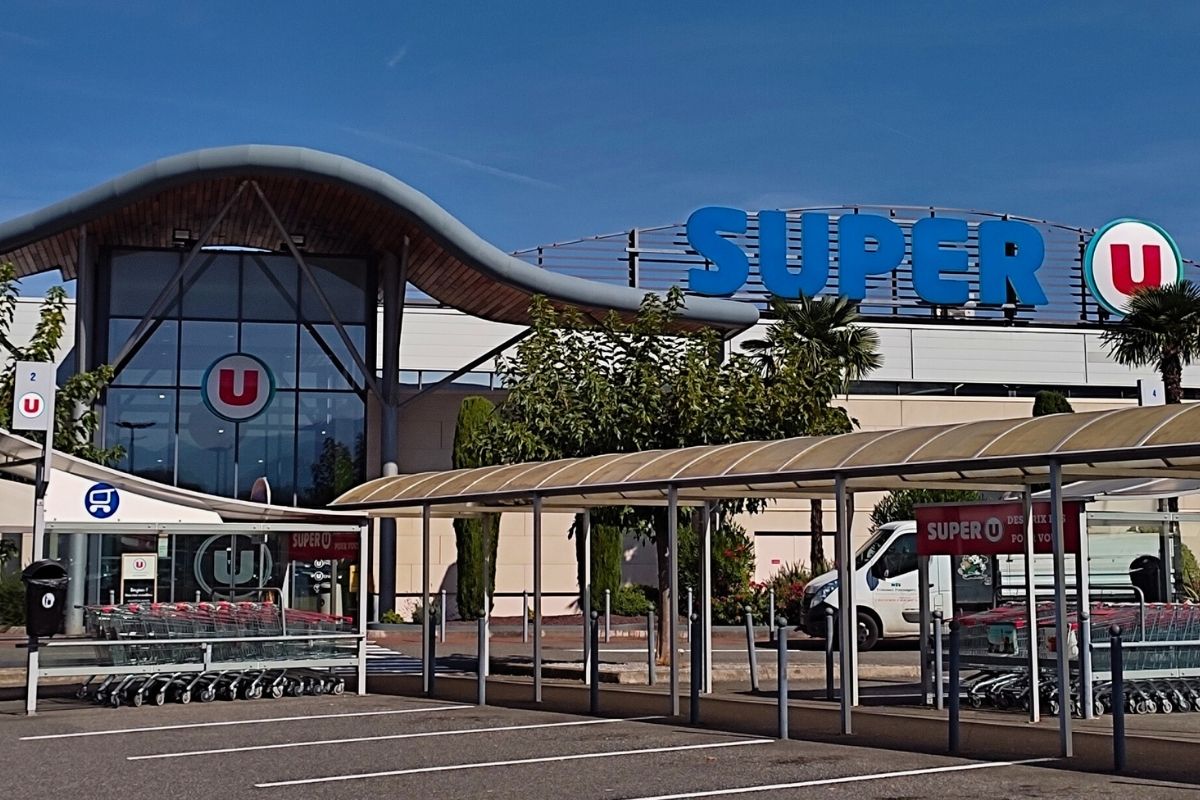
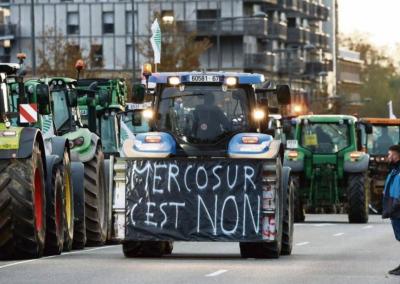
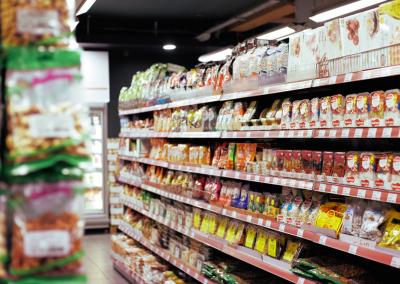
The debate on the EU-Mercosur Free Trade Agreement has reached a new stage in the EU – this time, big business has joined the farmers in their criticism. One of France's largest retail chains, „Système U“, has publicly announced that it will boycott agri-food products from the Mercosur bloc if the agreement is ratified. This announcement shows that opposition to the agreement is no longer just a matter for farmers or political organisations – it is becoming a serious economic signal to the European market.
According to the French media, Dominique Schelcher, CEO of „Système U“, stressed that the network will refuse to import products from Argentina, Brazil, Paraguay and Uruguay if the agreement gives a competitive advantage to imports at the expense of local producers. A situation where European farmers are subject to strict sanitary, environmental and labour standards, while Mercosur producers can operate under much lower standards, creates a systemic problem of "unfair competition", which would inevitably have repercussions for both farmers and consumers, he said.
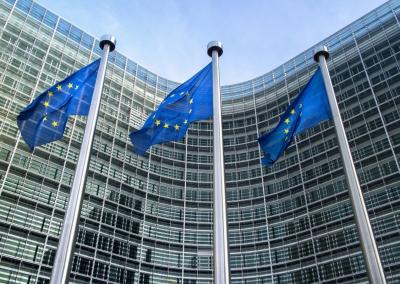
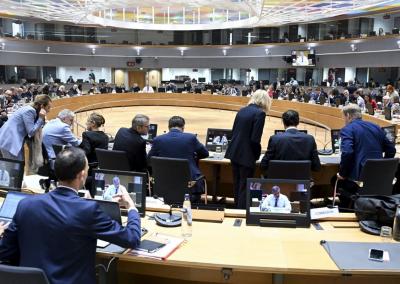
This statement comes at a particularly sensitive moment – at the same time, the EU Summit decided to postpone the signing of the EU–Mercosur Free Trade Agreement until January. Although the document is considered to be one of the most ambitious trade agreements in the world, covering a market of some 780 million consumers and providing for the elimination of tariffs on as much as 93% of many goods, it remains one of the most contested projects in the EU.
But supporters of the agreement stress the other side of the coin – wider export opportunities for the EU industrial sector. Automotive, chemical, medical and some agricultural products would be opened up to Mercosur markets, with reduced or completely eliminated tariffs. This, they argue, would strengthen Europe's global competitiveness and help diversify export destinations.
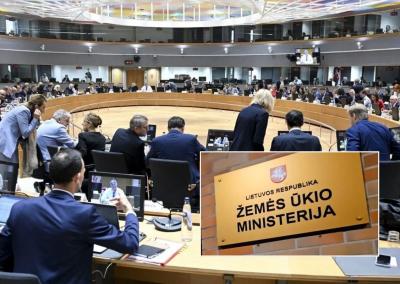
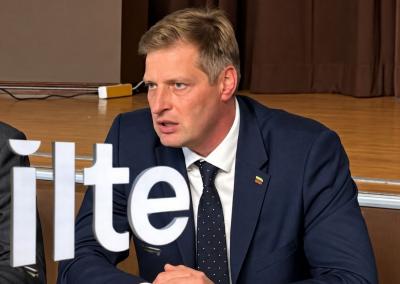
„Agrobite“ points out that this debate is also highlighting the divergence of Member States' positions. Unlike France or Italy, Lithuania has generally supported the signing of the EU-Mercosur agreement. The Lithuanian Ministry of Agriculture has not opposed this either – Minister Andrius Palionis presented a favourable note to the European Affairs Committee. This contrast shows that the decision on the treaty will be a test not only of trade but also of political solidarity for the whole of the European Union, which will have to strike a balance between global ambitions and the protection of local farms.