






































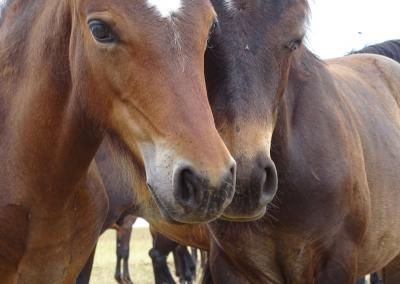















A horse in Germany has been diagnosed with equine infectious anaemia
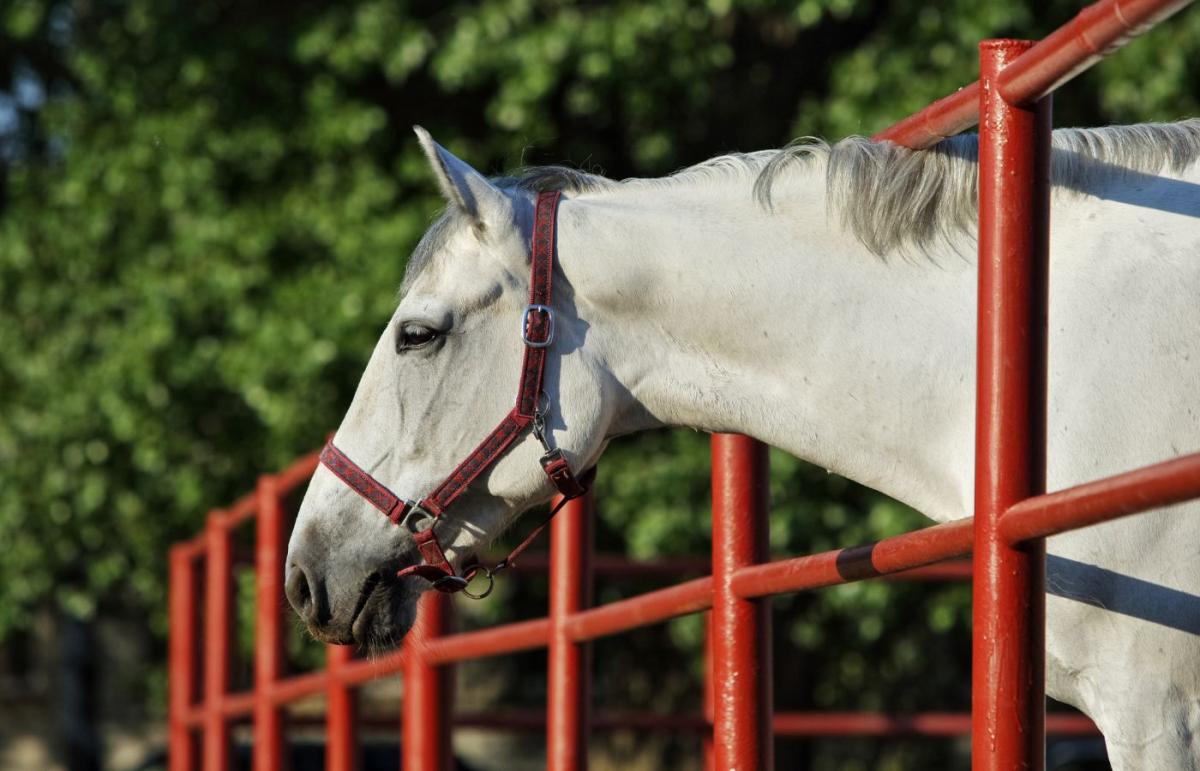
Equine infectious anaemia (EIA) has been detected in Germany. A 1 km protection zone has been established around the infected farm in the Salzderhelden area. Within this zone, all horses, donkeys and mules must be kept confined, and their removal is only permitted with special authorisation. All animals within the zone will be tested to prevent the spread of the disease.
The German press notes that EIA is caused by a lentivirus, which multiplies in the blood of infected animals. The disease is most commonly transmitted by blood-sucking insects – horseflies and biting midges. Infection can also occur via contaminated medical instruments, equipment, blood, milk, saliva, urine, faeces, or during pregnancy or mating.
Infected animals remain carriers of the virus for life and must therefore be culled. There is no vaccine against this disease, and infected animals cannot be treated. The EIA virus poses no risk to humans.
The disease can present in acute, chronic or asymptomatic forms. Symptoms of the acute form include fever, lethargy and pinpoint haemorrhages, particularly under the tongue and in the conjunctiva of the eyes. In the chronic form, oedema and recurrent fever may occur. Even animals that appear healthy on the outside may be carriers of the virus.
EIA is widespread throughout the world. In Germany, only isolated cases have been detected in recent years, often linked to horses imported from abroad. The horse currently infected was also imported into the country and was likely already infected before its arrival.
Veterinary experts recommend that horse owners follow biosecurity measures: maintain cleanliness in stables, minimise exposure to insects, avoid sharing potentially contaminated equipment, and regularly check horses for possible infection.

Similar articles

Video