


















































































Why are foot and nail problems more common in later lactations?
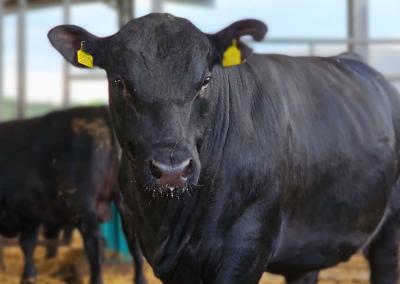
Diseases of the feet and hooves are one of the main causes of reduced cow performance, poor reproduction and premature breeding. Although clinical signs usually appear in the second or third lactation, research shows that the origin of these problems is often cumulative and starts much earlier.
Foot and hoof lesions – a cumulative process
Most nail pathologies are not acute. Studies show that micro-trauma to the corneal capsule of the nail, repeated mechanical stress and inflammatory processes in the deep structures of the nail can develop over months or even years before clinical lameness occurs. In the scientific literature, nail diseases are often described as chronic progressive conditions that increase in severity with each lactation.
Increase in body mass and load with age
One of the most important factors explaining the higher prevalence of lameness in later lactations is the increase in body weight. Studies show that cows reach their maximum body weight in the second and third lactation, with increasing body weight increasing the mechanical load on the hooves and joints, and even minor structural damage to the hooves becomes clinically significant at higher loads. This explains why cows that moved without obvious problems in their first lactation start to lameness later on.
Metabolic stress and its effect on hoof tissue
Periparturient period and early lactation are characterised by a negative energy balance, intense hormonal changes and increased activity of inflammatory mediators. Research shows that subclinical acidosis and metabolic stress have a direct effect on:
- the blood supply to the dermis of the nose,
- keratin formation,
- the quality of corneal tissue.
These changes may not cause immediate clinical signs, but may weaken the nail structure in the long term. In later lactations, when metabolic fluctuations are repeated, these effects are cumulative.
Adaptation to the environment and floor effects
Longitudinal studies show that cow housing system (concrete floors, sliding, standing time), intensity of exercise, social competition have a cumulative effect on foot and hoof health. In other words, each lactation „adds“ additional mechanical stress, rather than starting the process all over again.
Epidemiological data: prevalence of lameness by lactation
Large-scale epidemiological studies show a clear trend with the lowest prevalence of lameness observed in the first lactation, a significant increase in the second lactation, and the highest prevalence in the third and subsequent lactations. This confirms that lameness is not a random event but the result of a long-term process.
Summary
Scientific studies consistently show that foot and hoof problems develop gradually, with clinical signs usually becoming apparent when cumulative stress exceeds tissue resistance, with later lactations becoming the point at which earlier structural and metabolic damage becomes visible.
When assessing the foot and hoof health of a herd, it is therefore important to look not only at the current situation, but also at how cows were bred, housed and loaded in previous lactations.

Similar articles



Video