


















































































In Serbia, nearly 30,000 pigs have died or been culled following an outbreak of swine fever
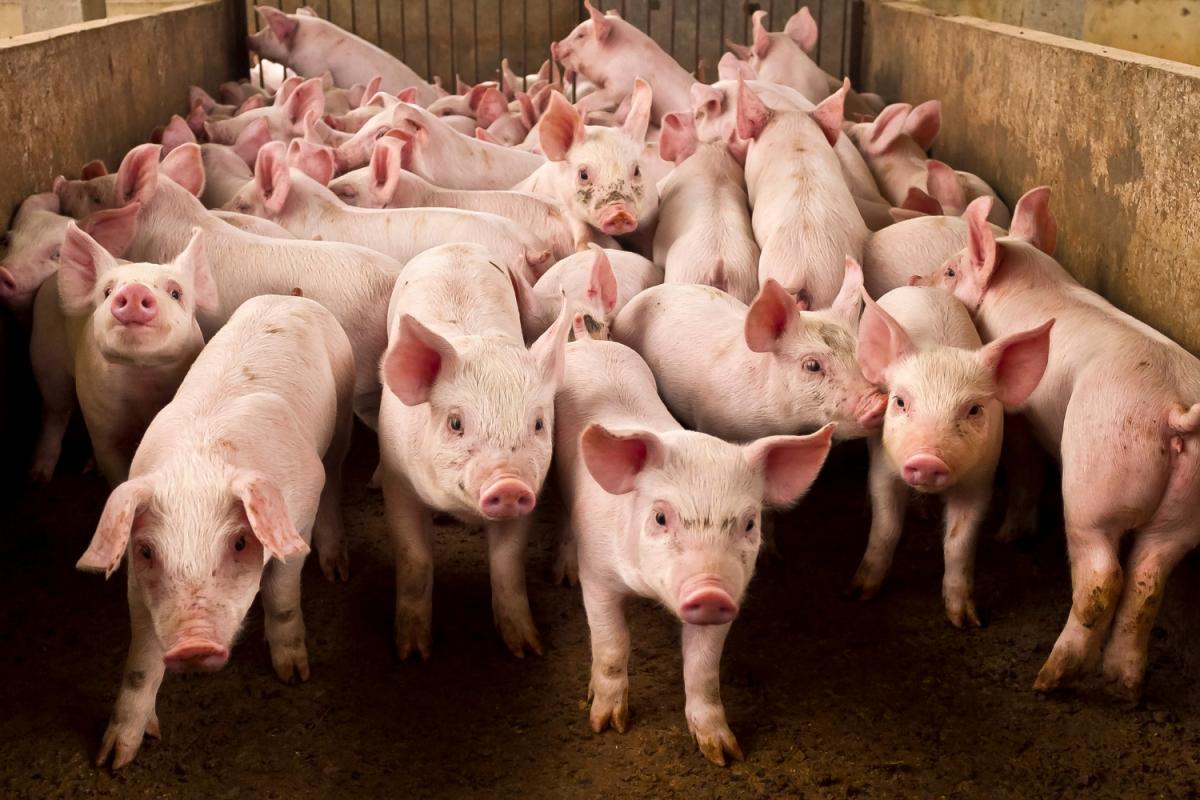
Serbia’s Ministry of Agriculture announced on Tuesday that nearly 30,000 pigs have died or been culled in the country in recent weeks following several outbreaks of African swine fever.
African swine fever, which poses no threat to humans, is a viral haemorrhagic disease with a mortality rate of almost 100 per cent among pigs and wild boars. Serbia, which currently has around 2.2 million pigs on its farms, regularly faces outbreaks of this virus.
On Tuesday, Agriculture Minister Dragan Glamočić told a parliamentary committee that around 29,200 pigs had been culled or had died as a result of this latest outbreak of the virus.
According to a statement from the Ministry of Agriculture, the main outbreaks have been recorded in the north-western regions of Srem and Mačva, as well as in the Belgrade region. More than 50 villages have been affected.
According to the ministry, the authorities’ “absolute priority” is to try to halt the spread of the virus in the Mačva region, where, according to the ministry’s data, nearly 300,000 pigs are reared.
In neighbouring Croatia, which is also facing an outbreak of African swine fever, official figures show that more than 3,700 pigs have been culled since the start of the year.

Similar articles





Video