





















Farmers' representatives: Mercosur would increase the concentration of food supply chains in Europe
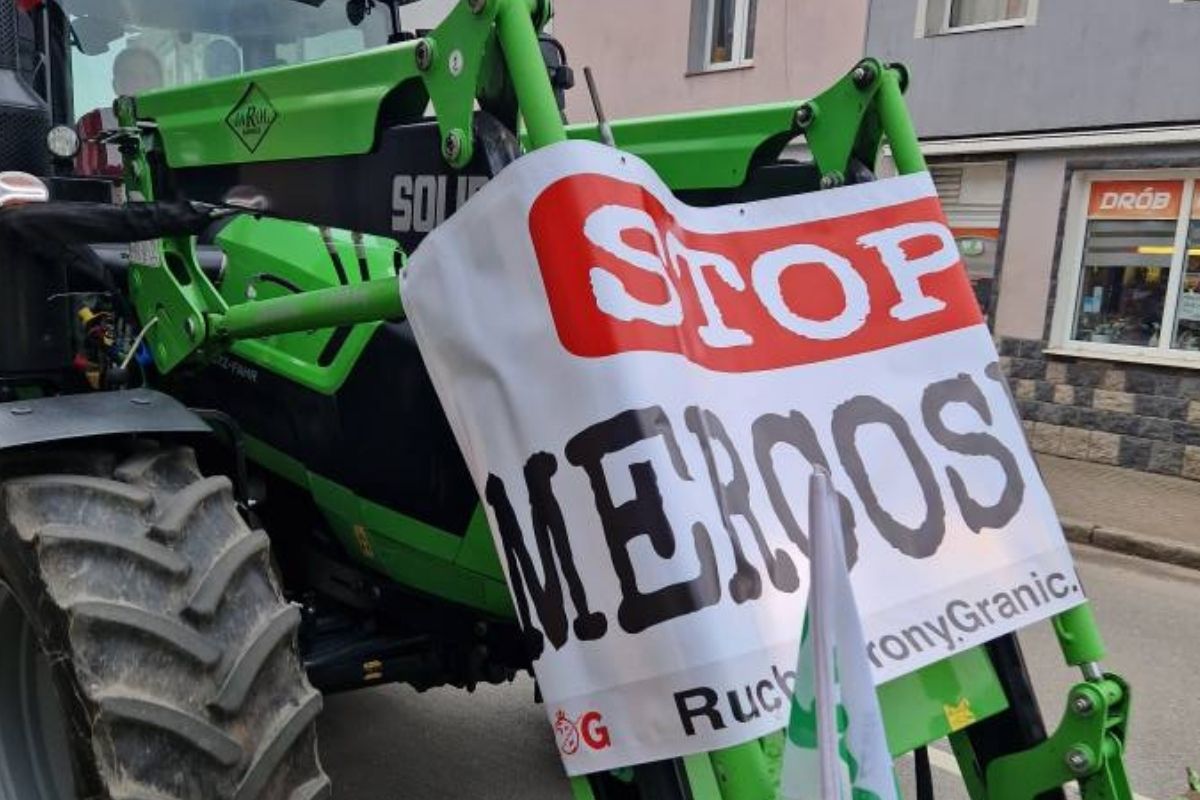
If the European Union (EU) were to sign a free trade agreement with the South American bloc Mercosur, it would increase the concentration of food supply chains among Europe's large agricultural structures, says Arūnas Svitojus, President of the Chamber of Agriculture (CAA).
In order to increase the protection of national agriculture, short supply chains of quality food between producer and consumer need to be developed, he said.
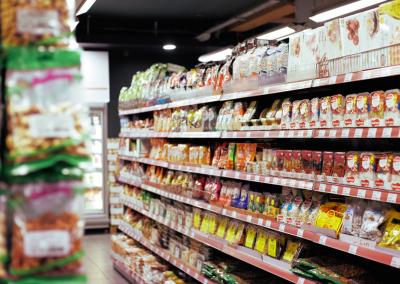
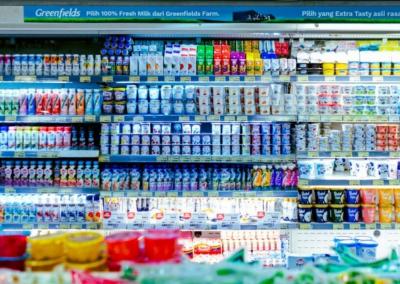
„Our short chains are not moving because oligarchic structures are coming in, (…) we see what's happening in other countries – in Australia, in America, millions of hectares are owned by one person who wants to take over the whole food chain as a monopoly. The big supermarkets don't just sell, they already process food, they want to control the production chain as well," Svitojus told LRT radio on Monday.
„One person in Europe can manage the food chain of 100 million people, so these issues are very strongly raised in Europe both at national level and at political level across Europe“, – he said.According to Mr Svitoy, European countries are not sure that the agricultural produce coming from South America will be of high quality and meet climate change targets.
„Today we see statistics that are saddening, the number of young farmers is drastically decreasing – since joining the EU, over 50% of young farmers have decreased. Agriculture as it is today is not attractive, engaging young promising farmers“, – he said.
„If we bring South American countries into Europe, where tens of thousands of acres are really in one hand, young farmers will see no prospects, and will be deprived of the motivation to do anything at all“, – said V. Buivydas.
Chairman of the Parliament's Committee on Rural Affairs, „peasant“ Bronis Ropė said that the Parliament does not support the signing of the „Mercosur“ agreement, and that it has comments on the insufficient trade control mechanisms provided for it.
„I think the biggest concern is – of course, we need to trade, we need to create conditions, but everybody should benefit from this trade, not just a particular group, a particular layer. (…) The protection mechanism I think is the biggest concern right now," the MP told LRT radio.
He said that the compensation mechanism for farmers will be triggered if production volumes and prices fall by 10% after the signing of the agreement.
„We are talking about EUR 6.5 billion, so that the envisaged reserve fund should cover at least most of it, but there is no clarification on the exact details“, – said B. Ropė.
ELTA reported last week that the EU has postponed the signing of a free trade agreement with Brazil, Argentina, Uruguay and Paraguay until January.
The free trade agreement with „Mercosur“ countries has been more than 25 years in the making and is now controversial – while it aims to boost trade between economic blocs, it is being viewed critically by some of the EU's major countries, including France, Poland and Italy.
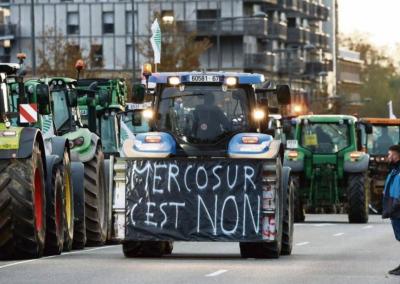
Last week, thousands of people protested in Brussels against the Mercosur agreement, including Lithuanian farmers.
Farmers criticise the agreement because they fear disproportionate competition from cheap imports and worry that they may receive less money from the EU budget in the future.
The planned new free trade area between the EU and the bloc's 700 million-plus inhabitants would be the largest in the world, according to the European Commission.

Similar articles

Video