

































Last autumn’s rains reduced the area under crops this year
With the annual obligation to declare agricultural crops now complete, the situation in the country this year has become clear. According to data from the State Data Agency, the total area of declared crops this year is in line with the figures for 2024 – amounting to 1.783 million hectares, or 2 per cent less than in 2025.
Although the total crop area has decreased slightly and remained at the 2024 level, the most significant changes are observed in rapeseed, barley, peas and beans. It is estimated that rapeseed areas decreased by 45,000 hectares over the year, whilst wheat areas contracted by 5,000 hectares. More detailed data reveals that the greatest reduction was in the area sown with winter cereals – 44,000 hectares – and winter rapeseed – as much as 50,000 hectares.
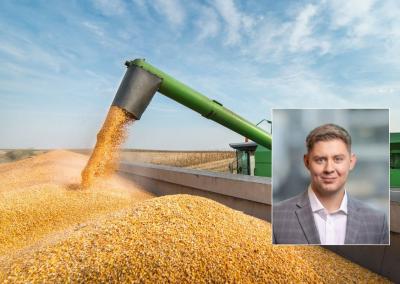
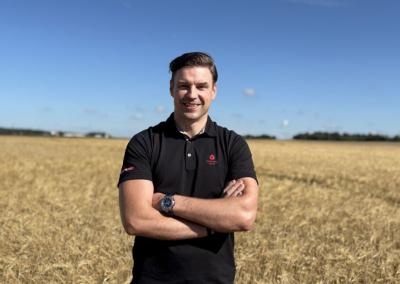
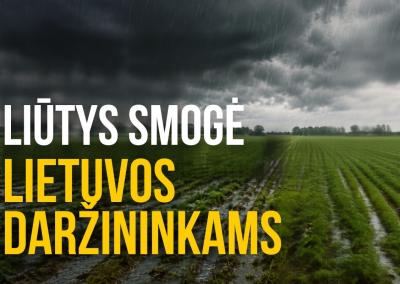
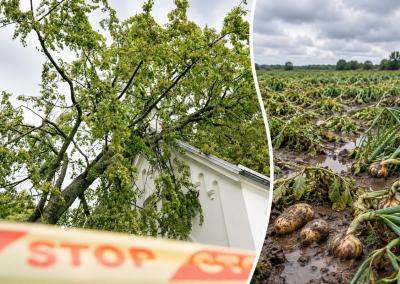
“The huge amount of rain and water, combined with the difficulty of accessing the fields with agricultural machinery last year, had a noticeable adverse effect on the following season’s winter crops: wheat, triticale and rapeseed. The latter crop was particularly hard hit“ – says cereal crops expert Justas Eimontas.
He adds that poor weather conditions last year limited the opportunities to sow winter crops on time. “Farmers who wanted to sow winter rapeseed were particularly hard hit. The sowing window for this crop is very limited: from the start of August until around the 25th. If you manage to get out into the fields and sow the rapeseed during these few weeks, even in poor weather conditions, you can still expect some sort of harvest later on.“
Summer crops to the rescue
In an effort to offset the losses caused by poor weather conditions, farmers have sown more summer crops in their fields this year. According to crop declaration data, the area sown with summer cereals has increased by 63,000 hectares.
“Farmers want to make the most of their fields, and if the weather has prevented them from growing winter crops, they have to opt for summer crops. That is why the data from the submitted declarations show significantly larger areas of summer cereals – wheat, barley and other crops,” notes J. Eimontas.
Pea acreage declined, but field bean acreage increased
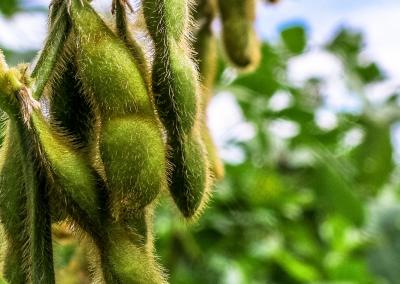
However, the changes in the areas declared for peas and field beans were the most surprising. After a break of several years, the total declared area under peas shrank to 79,000 hectares, or 22.5 per cent. Meanwhile, the area under field beans increased to 113,000 hectares – almost 30 per cent more than the previous year.
Analysing these changes, J. Eimontas notes that peas were affected by the same poor weather conditions as winter rapeseed. According to him, last summer it was very difficult for farmers to harvest peas due to the wet fields, which is why some of them have decided not to grow this crop this year.
“Having weighed up all the options, farmers decided to avoid the risk of a poor harvest and opted for other crops. It is highly likely that some chose to grow beans, which is why we have a record area under beans this year“, says the interviewee.
The expert also highlights the trend, now in its second consecutive year, of increasing maize cultivation in the country. According to available data, the total area of fields sown with maize this year stands at around 66,000 hectares, compared with 63,000 hectares last year. Compared with 2024, when a total of just 14,000 hectares were sown, the increase in area sown amounts to more than 371 per cent.

Similar articles

Video