
























































Fuel price hikes have changed the habits of nearly a third of the Lithuanian population
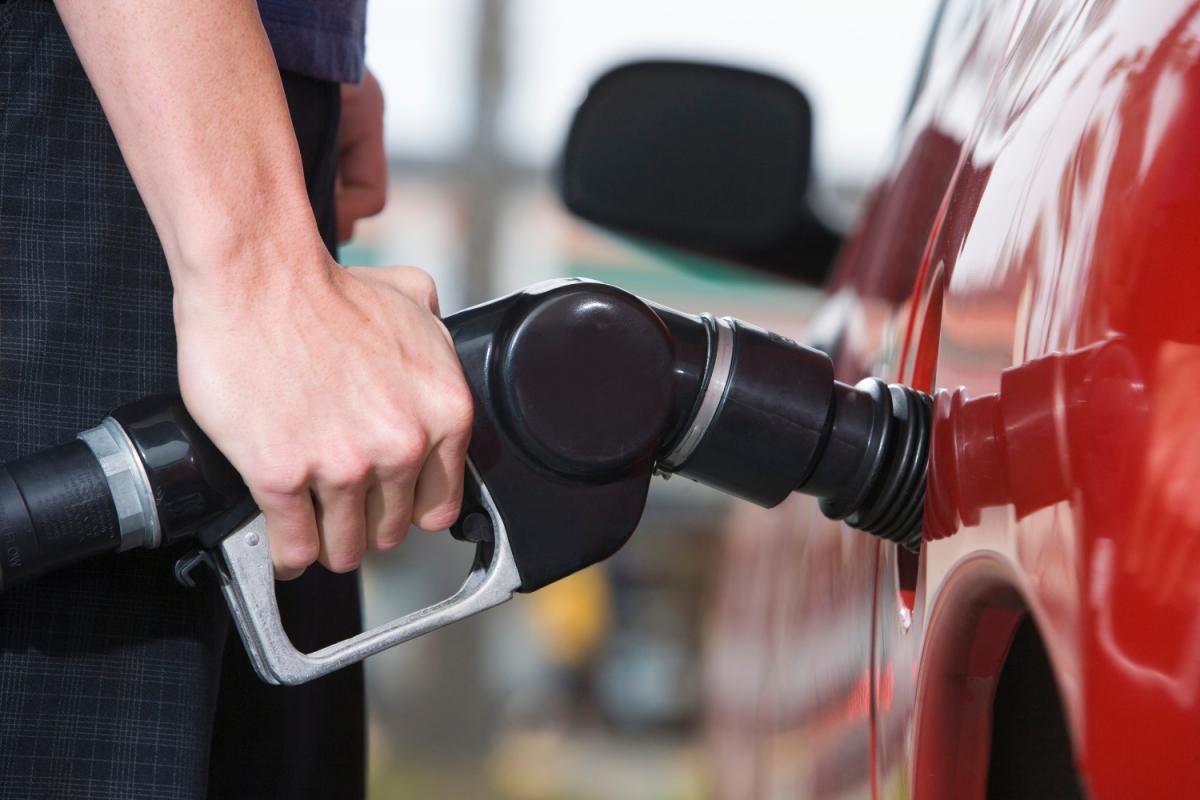
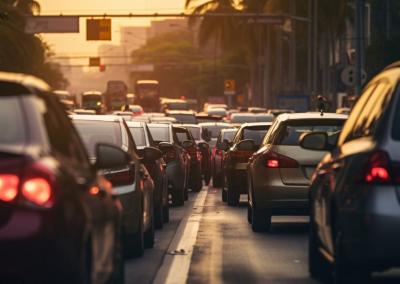
Almost a third of Lithuanians are using their cars less often or stocking up on fuel due to rising fuel prices, according to a survey conducted by „Citadele“ bank.
According to the survey, 58% of the population indicated that they have not changed their car use habits due to the war in the Middle East, which has increased fuel prices. However, 26% say they use their private car less often, 6% have bought fuel as a back-up and 12% say the situation does not apply to them or is difficult to assess.
Among those who have started to use a car less frequently, the 18–29 age group and students stand out the most. This trend is also more pronounced among the inhabitants of Šiauliai, Panevėžys and Tauragė districts.
The survey results also showed that half of the respondents who said they have reduced their car use belong to the lowest income group, where the average monthly income per household member is below €150.
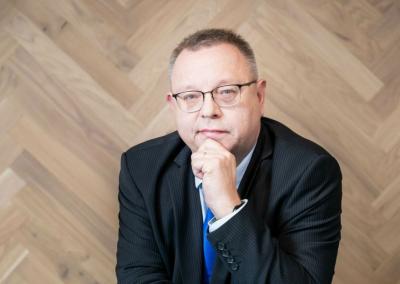
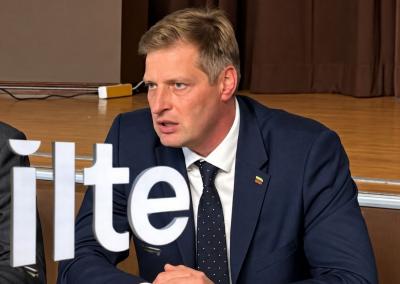
„Lower income groups are the first to react to fuel price hikes, as they are less financially resilient – any increase in prices is directly reflected in their daily expenses. In such households, fuel makes up a larger part of their budgets, so it is natural that people start to limit their trips or use their cars less often," Aleksandr Izgorodin, economist at Bank Citadele, said in a statement.
Among those who are not changing their habits, the majority of respondents are older, aged 30–59, living in big cities and with higher incomes. According to the survey, 68% of Lithuanians who say they have not changed their habits belong to the higher income group, where the average monthly income per household member exceeds €1,500.A. Izgorodinas stresses that fuel price changes remain one of the most important factors that could directly affect people's consumption decisions in the coming months.

Similar articles
Video