
















































The Seimas is inclined to halve the road toll for agricultural vehicles
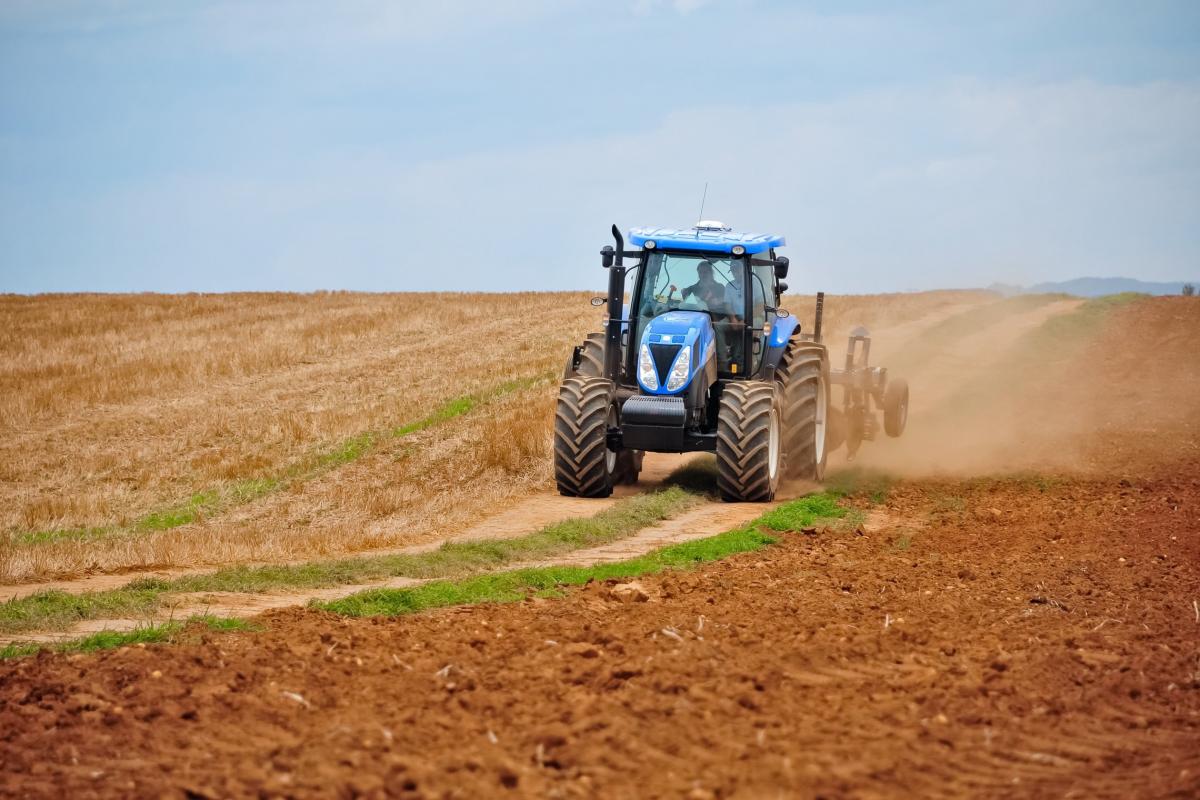
A proposal to grant a discount of up to 50 per cent on road tolls for agricultural and eco-friendly transport is making its way through the Seimas.
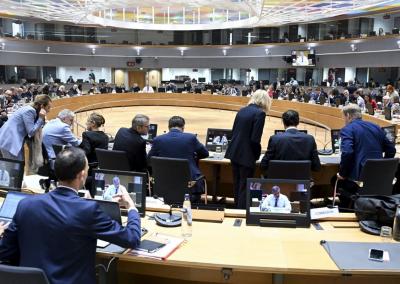
On Tuesday, following deliberations, the Seimas approved these amendments to the Law on the Financing of the Road Maintenance and Development Programme, with the final vote scheduled for the next sitting.
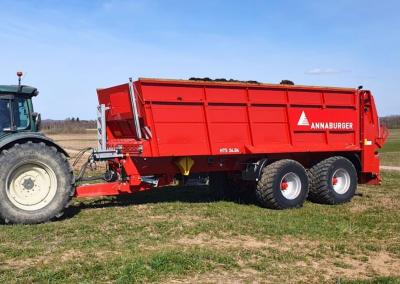
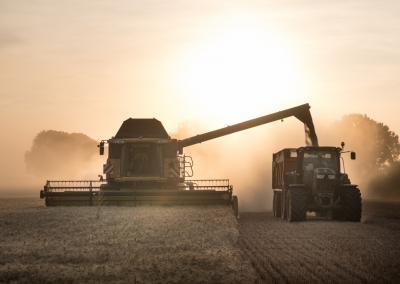
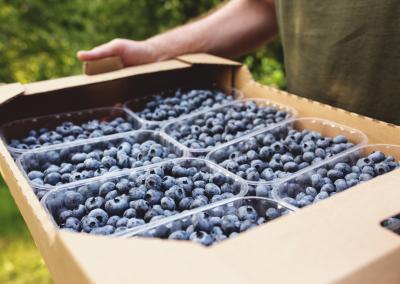
The amendments stipulate that the discount would apply to vehicles used by producers of milk, grain and agricultural products intended for further food production, as well as by feed producers, for their operations and the sale of their produce.
Furthermore, the concession would apply to lorries and buses powered by electricity, hydrogen or biomethane.
Some MPs argued that such a concession is too small. Kęstutis Mažeika, a member of the “For the Sake of Lithuania” Democratic faction, said that this would place a significant burden on the country’s hauliers, including farmers and goods transporters, whilst heavy goods vehicles travelling through Lithuania in transit leave behind only pollution, with their profits and revenue remaining in Poland.
“This is indeed a very important signal, as prices differ quite significantly, and the market in which we compete is the same; for our hauliers – whether we’re talking solely about farmers or also about freight and service providers – this is a truly heavy burden. I would hope that, at the very least, we can find ways in future to cushion that price difference somewhat, because otherwise the competition will certainly be unbearable“, said the MP.
“Valstietis” According to Valiaus Ąžuolas, this would breach last year’s agreement between farmers and the government, under which agricultural producers would be able to travel on the country’s roads more cheaply.
He said that in 2025, an agreement was reached with farmers who are planning to purchase or already own zero-emission vehicles, it was agreed that they would be granted a 50 per cent discount on road tolls, and a promise was made to enshrine this provision in law.
“In the legislation, the Government wants to reserve very broad discretion for itself – to apply a multiplier ranging from half to one. What does ‘one’ mean? It means that the Government will be able to apply absolutely no discount at all, and this agreement will be thrown in the bin,” said V. Ąžuolas.
According to the MP, he and two other members of the Rural Affairs Committee have tabled an amendment proposing the application of a multiplier of 0.4–0.6.
“This means the Government could apply a 60 per cent discount, or 40 per cent, or 50 per cent,” he asserted.

Similar articles



Video