







































































Stricter rules for dairy processors are making their way through the Seimas
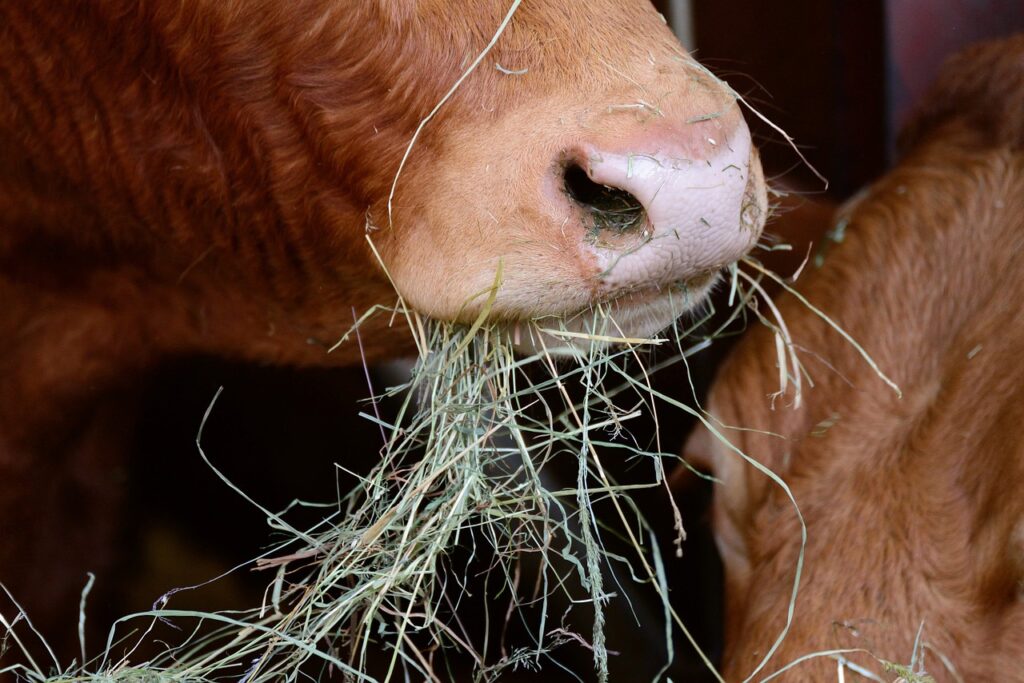
The so-called ‘Milk Bill’, which aims to ensure fairer relations between milk producers and processors, is making its way through the Seimas.
On Tuesday, following deliberations, the Seimas unanimously approved the draft Law on the Prohibition of Unfair Trading Practices in the Dairy Sector and will hold a final vote on it in a week’s time.
The Act aims to regulate the basic principles of milk pricing, restrict unfair practices when concluding milk purchase&–sale contracts, and to establish a list of prohibited actions and the procedure for imposing sanctions.
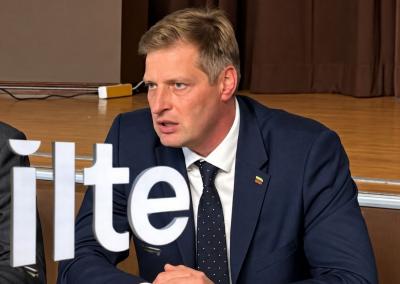
“I hope that the law will be effective and that the problems will be more or less resolved,” said the chairman of the Rural Affairs Committee, “Peasant Party” member Bronis Ropė, Chair of the Committee on Rural Affairs, said on Tuesday in the Seimas.
Kęstutis Mažeika, the Minister of Agriculture-designate, said that MPs across several parliamentary terms had tried to find solutions to this issue.
“Perhaps this is not the most perfect draft bill, but it is certainly a step towards ensuring that small-scale dairy farmers in particular, and even, perhaps, larger ones and even the very largest, could have the appropriate bargaining power“, he said.
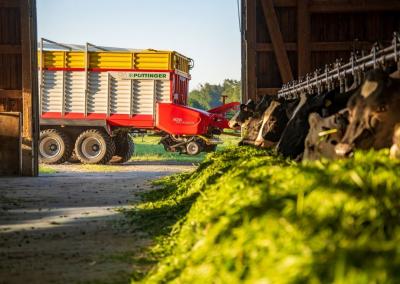
According to K. Mažeika, the number of cows in Lithuania has recently been falling by around a thousand each month.
He said the amendments would ensure transparency in pricing, encourage cooperation and provide farmers themselves with the opportunity to deliver milk directly to a buyer or processor.
It would be prohibited for a milk processor to unilaterally terminate a contract without notifying the producer, or to change the terms regarding the frequency, method, location, time or quantity, quality requirements, payment terms, prices, premiums or supplements.
It is also proposed to prohibit the payment of a purchase price for milk delivered directly to a processing plant that is lower than the price paid for milk collected directly from a specialised milk cooler on the farm.
The so-called Milk Act is intended to impose restrictions on processors paying producers premiums and supplements whose combined value would exceed 20 per cent of the milk purchase price.
Processors are to be prohibited from applying deductions for milk purchased if these are not included in the list approved by the Minister of Agriculture.
There are also plans to ensure that laboratory tests are carried out in accordance with a uniform system – in a state-run, accredited laboratory.
The requirements will apply only to cow’s milk. According to the Rural Affairs Committee, it is not appropriate to apply the same requirements to the purchase and sale of milk from other animals, as there is no developed goat’s or sheep’s milk processing industry in Lithuania, and the milk from these animals is usually processed on the farms where it is milked.

Similar articles



Video