




















































































Government proposes initiative to improve security of goods and products

The government will propose to the Seimas to take action to ensure that safe products reach the market and that manufacturers or suppliers are held liable for consumer harm caused by unsafe products.
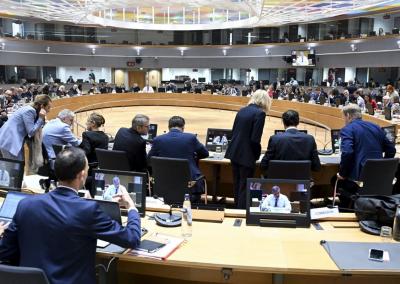
The Cabinet of Ministers on Wednesday approved amendments drafted by the Ministry of Justice to transpose an EU directive on liability for defective products into national law. They will be submitted to Parliament in the spring session.
„There must always be an entity which is held liable for damage caused by a defective product, even if it was manufactured outside the EU“, – the draft states.
The amendments foresee that consumers would be able to claim damages from both the manufacturers of the final goods and the manufacturers of their components in the event of a defective product.
The directive aims to make it easier for people to find those responsible for retrofitted products that have not been supplied in compliance with safety requirements, the Ministry of Justice said on Wednesday.
Liability would be imposed for, for example, faulty software that affects the performance of the product, it said: "This could include a temperature control service that monitors and regulates the temperature of a smart fridge, or a voice-assistant service that allows you to control one or more of the products using voice commands."
In addition, there would be liability for modified products, such as those supplied by businesses in the circular economy.
It is proposed that importers, authorised representatives or, in their absence, the seller, could be held liable for defective products or their components.
Among other things, businesses would be liable for defective products for 10 years, and up to 25 years in the case of delayed health damage.
„The Directive aims to ensure that liability rules reflect the nature of products in the digital age's circular economy“, says the Ministry of Justice.
The EU directive is due to be transposed and enter into force in Lithuania from 9 December, it said.

Similar articles





Video