























































FNTT uncovers a fraud scheme against young farmers, embezzling around €0.5 million in EU aid
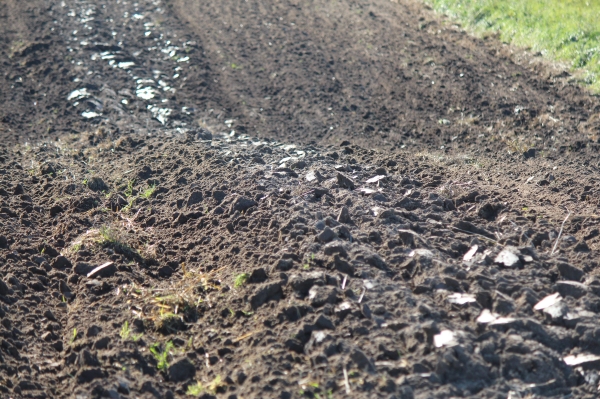
Investigation by the Financial Crimes Investigation Service (FCIS) and European Delegated Prosecutors (EDP) has uncovered a fraudulent scheme whereby 26 fictitious farmers forged documents and simulated land activities in order to embezzle funds from the European Union's (EU) Agriculture Fund for Lithuania.
In total, the scheme was organised by 4 persons and involved 22 other people. After the latter pleaded guilty, the court released them from criminal liability on bail. At the time, four of the organisers were found guilty.
„In this case, convictions have been handed down against the masterminds and also during the pre-trial investigation, a total of 22 people who were involved in the Young Farmers' fraud scheme were prosecuted in the course of 2025. They have pleaded guilty and the courts have decided to release them from criminal liability on bail," Kukaitis said at a press conference on Tuesday.
„All four organisers of the act have been found guilty by the court and fines of 150,000 euros have been imposed on the four organisers of the act. The court also confiscated a total of €34,000 in the course of the investigation, following an appeal by the prosecutors, as the means of committing the offence, and ordered the payment of €37,000 to the victims' fund," the European Delegated Prosecutor continued.
According to the head of the 2nd Special Investigations Department of the FNTT, Daugilas Razauskas, the pre-trial investigation was opened in 2022.
„The pre-trial investigation was opened in 2022 for criminal offences provided for in articles of the Criminal Code, such as large-scale fraud, falsification of documents, acting in an organised group“, – he told reporters on Tuesday.
„The investigation found that the organisers devised in principle a highly sophisticated fraud scheme with the aim of illegally obtaining EU funds for agriculture. They used persons, so-called young farmers, to falsify documents, simulate fictitious agricultural activities, and thus submit applications to the institutions allocating EU support in the Republic of Lithuania with the aim of obtaining funding for such activities," he continued.

Similar articles




Video