



















































The Authority will test imported cereals and cereal products for GMOs
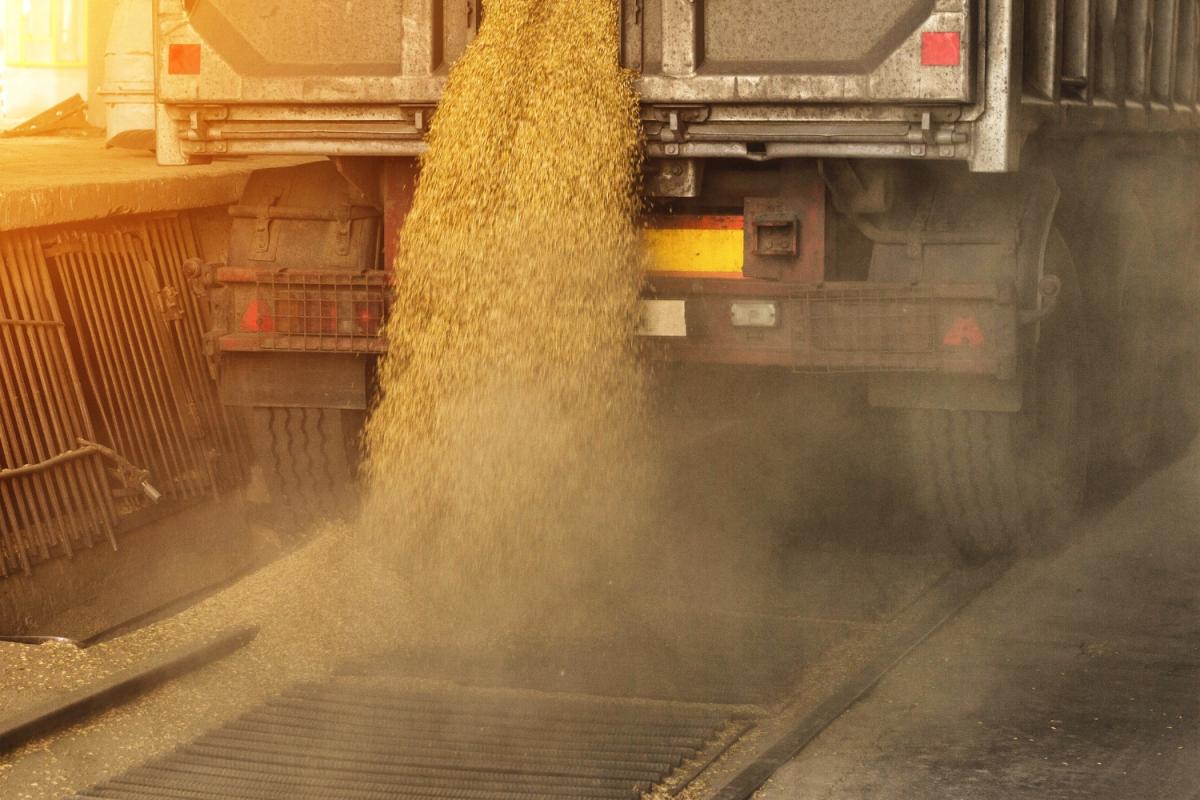
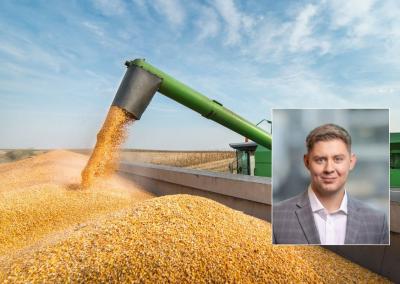
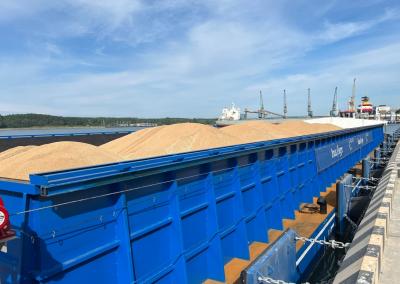
With the changing international trade environment and new risks, the Food and Veterinary Office has decided to start testing in Lithuania for genetically modified organisms (GMOs) in wheat, rye, barley, oats, rice, buckwheat, sorghum grains and their final products, including groats and flour, imported from third countries.
The Authority said the decision was based on a review of the findings of controls carried out in individual countries and in Europe in recent years, scientific assessments and data from the EU's system of reporting unsafe products to the EU.
„These measures are necessary to prevent unsafe food from entering the market, based on current statistics and the real threat to consumer safety“, the Food and Veterinary Office said in a commentary to BNS.
The updated list of products to be checked includes more than 25 names of non-animal food products.
„The revision of such lists is necessary due to the ever-changing international trade environment, emerging risks and evolving supply chains,– the service said.
There are plans to inspect 10% of new consignments of listed products arriving in Lithuania each year.
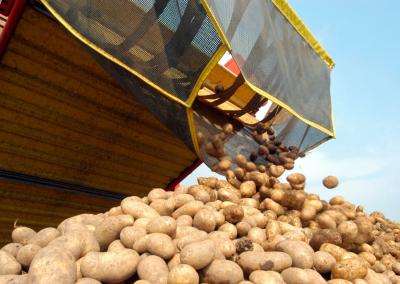
Potatoes, canola, corn, sauces containing soy, corn, potatoes or canola, and other food products made from or containing these raw materials are currently being tested for GMOs.
„Ingredients such as maize, rapeseed, potatoes or soya and the ingredients they contain are being tested because these are among the most commonly genetically modified raw materials in the world, At present, 10% of these products are tested, but the intention is to reduce this to 5%. The Authority proposes to test less after assessing the products' country of origin, their composition and the potential risks. The Authority is also promising to reduce acrylamide testing of roasted and instant coffee products coming into Lithuania from all third countries by up to 5% (from 30%), which has been the case since 2013. Fresh fruit and vegetables will receive more attention during this period, as the risk in this segment is increasing. „Taking into account the information provided in the food and feed safety alert system, more attention is being paid to segments of increasing risk, such as fresh fruit, vegetables or dried spices from higher-risk third countries – the frequency of checks is being increased – BNS was informed by the service. In response to repeated infringements, the frequency of checks on dried spices and mixtures of dried spices is being increased from 10 to 20 % of consignments arriving in Lithuania, it said. The service told BNS that 894 consignments of cereals and cereal products were imported last year and 287 samples were taken. Only one non-compliance was detected. Mineral water was imported in 745 consignments and 74 samples were checked for irregularities, so this product has been removed from the enhanced control list altogether. Confectionery received 433 consignments and 72 samples were tested, of which two were found to be in breach of product safety. Products containing possible GMOs and consisting of or made from soya, maize, rapeseed, potatoes or cotton received 526 consignments last year and 90 samples were tested and no infringements were found.
Similar articles




Video