



























































Lithuania's small villages: 5 destinations compete for the title of global tourism elite
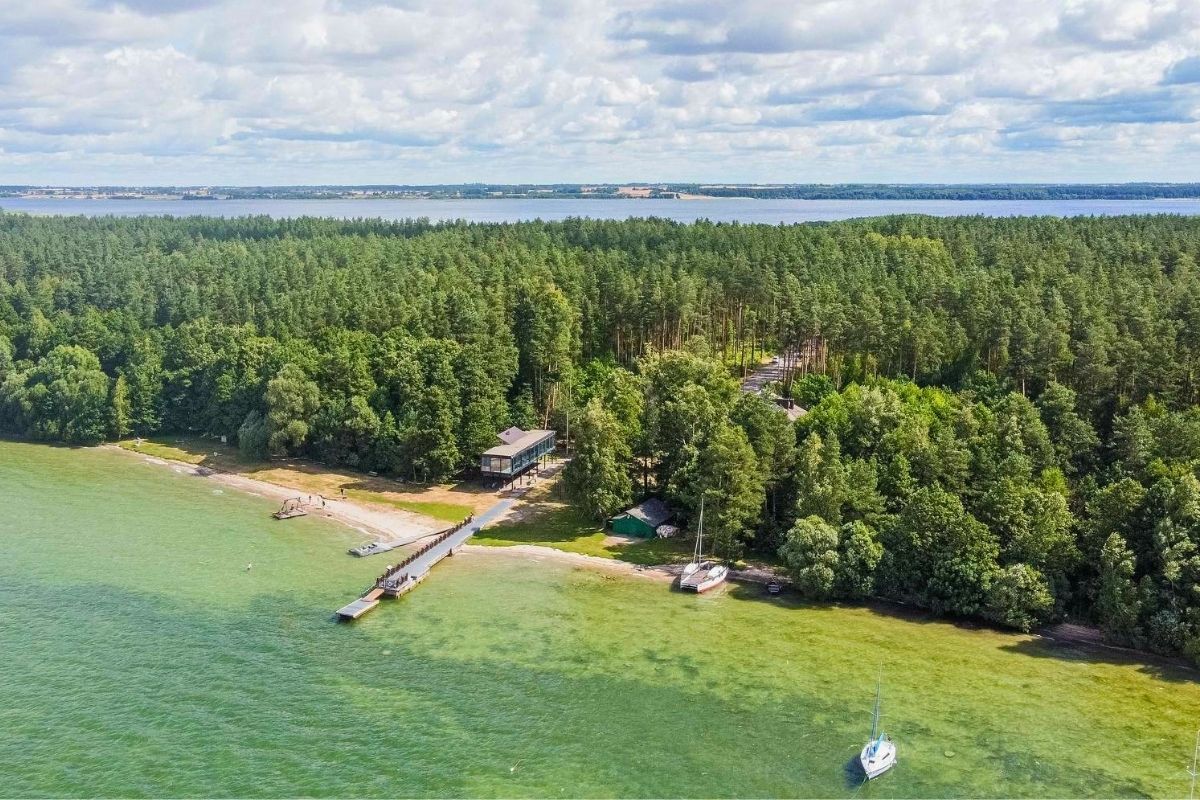
Five Lithuanian destinations have been selected to represent Lithuania in this year's prestigious World Tourism Organisation's "Best Tourism Villages" competition. This competition is considered one of the most important international awards for regional tourism.
Of the 11 nominations submitted by municipalities and tourism information centres, the final round of the national selection process was completed in Nyuronys (Anykščiai district), Žagarė (Joniškis district), Meteliai (Lazdijai district), Kaltanėnai (Švenčionys district) and Žeimelis (Pakruojis district). Two of them – Niūronys and Žagarė – are participating repeatedly, while the other three are applying for the first time.
This global initiative attracts a lot of attention every year: in previous years, more than 130–170 localities from 60–75 countries have applied, and only about 30–50 of them become laureates, so the competition is very fierce.
Only destinations with a population of up to 15,000 are eligible to apply if they are distinguished not only by their attractiveness for tourism, but also by their ability to combine economic development with the preservation of culture, traditions and nature. Applications are evaluated on a dozen criteria, ranging from infrastructure and marketing to community involvement, sustainability solutions and strengthening local identity.
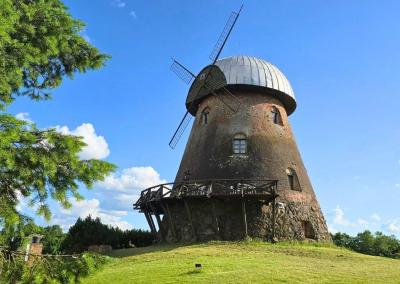
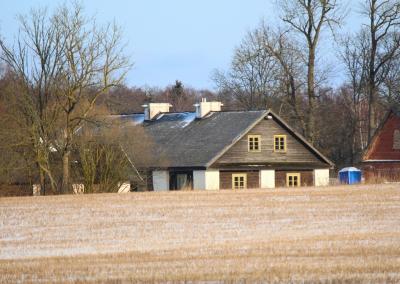
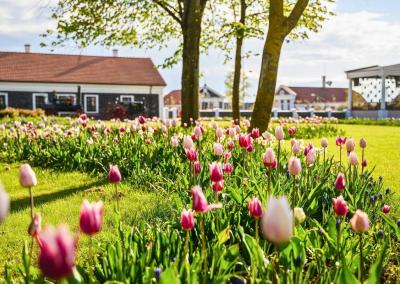
The locations chosen in Lithuania reflect different patterns of regional strength. For example, Niūronys is famous for its ethnographic heritage and its strong connection to traditional Lithuanian culture, Žagarė – for its historical urban heritage and event culture, while Meteliai is distinguished by its unique nature and protected areas. Kaltanėnai and Žeimelis demonstrate growing community activity and the ability to attract visitors through local initiatives and the development of tourism services. Such diversity increases Lithuania's chances of being noticed on the international stage.
According to Guoda Burokienė, Vice-Minister of Economy and Innovation, Lithuanian regions have a strong enough potential to compete with world-class destinations, and this competition offers not only representational value but also practical benefits. The winning sites become part of an international network of more than 180 villages worldwide. This opens up opportunities to exchange best practice, attract investment, increase tourist flows and strengthen local economies.
Lithuania's tourism sector is already a significant part of the economy, generating around 5% of the country's GDP before the pandemic, and regional tourism is seen as one of the most important areas for bridging the economic divide between cities and regions.
Statistics show that domestic tourist arrivals have been growing steadily in recent years, and more and more travellers are turning to authentic, less discovered destinations. This makes such competitions a strategic tool for strengthening Lithuania's image as an attractive, sustainable and culturally rich destination.
The final results of the competition will be announced in autumn this year.

Similar articles





Video