












































































"Fitch Ratings upgrades Lithuania's credit rating after 6 years
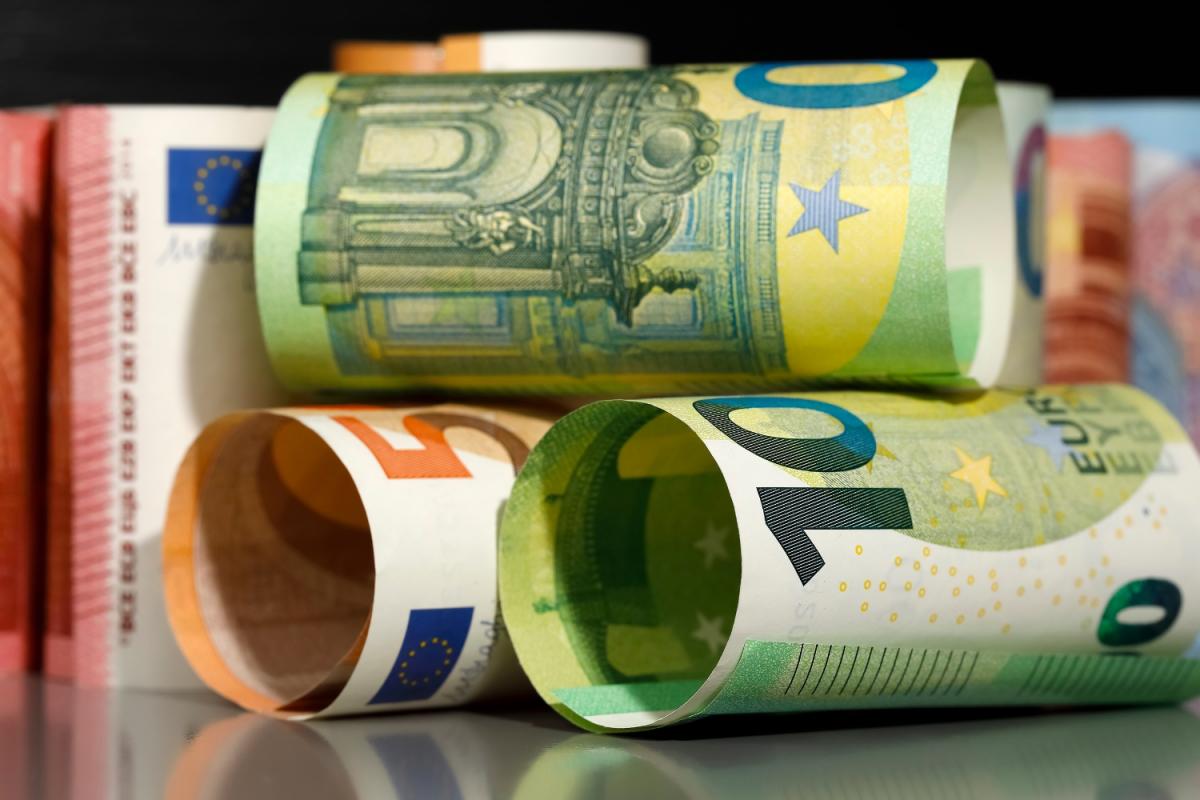
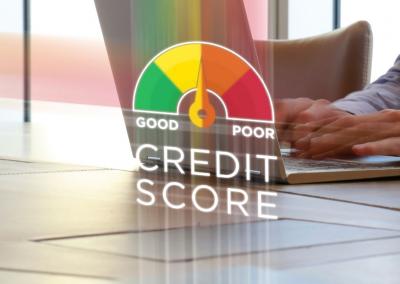
Fitch Ratings, the international credit rating agency, has upgraded Lithuania's sovereign credit rating from "A" to "A+", with a stable outlook, following a positive assessment of Lithuania's economic situation. This credit rating by Fitch Ratings is currently the highest among the three major agencies' long-term debt ratings for Lithuania.
According to the Minister of Finance, Kristupas Vaitiekūnas, the upgrade, which comes after a six-year hiatus, is an important recognition for Lithuania, especially in the current context of heightened geopolitical tensions.
„I am pleased that the agency has assessed the resilience of the Lithuanian economy in the context of geopolitical risks. This decision demonstrates confidence in our Government's responsible economic policy and public financial management and creates realistic preconditions for lower borrowing costs in the future. Of course, it is also a responsibility to continue to maintain financial discipline and pursue a responsible financial policy," notes Finance Minister K. Vaitiekūnas.
Fitch Ratings „Fitch Ratings“ points to the country's strong and resilient economic growth, sustained in spite of recurring external shocks, as the main factors behind Lithuania's credit rating upgrade. Lithuania remained among the fastest growing economies in Central and Eastern Europe in 2025 and was one of the best-performing among the „A“ rated countries. Growth was driven by strong investment, moderate consumption and rising exports.
After the pandemic, the country's economy grew at an average annual rate of around 3%, and in Q4 2025 real GDP was 17% higher than before the pandemic. Industrial production grew by 33.5% in that time, while exports of services more than doubled, especially in high value-added sectors. Economic activity significantly outperformed the countries in the region, accelerating income convergence. GDP per capita in 2025 reached 94% of the median of the „A“ ranked countries (71% in 2019).
„Fitch Ratings“ forecasts that Lithuania's economy will grow by 3.1% this year, despite the negative impact of the Middle East conflict. Growth will remain strong, driven by a robust labour market, second pillar pension withdrawals, higher defence spending and EU-funded public investment. Growth is likely to slow to 2.5% in 2027 as some temporary factors dissipate, before returning to its long-term trend. The Agency has also upgraded its assessment of Lithuania's potential growth to around 2.8%, one of the highest among countries with the same rating. This reflects a positive migration balance, capital inflows and productivity growth in higher value-added sectors.The country's rating is also supported by its sound political framework, based on its membership of the European Union and the euro area, its low government debt, and its coherent fiscal discipline. According to the agency's experts, these strengths are offset by the high exposure to geopolitical risks and the small size of the country's economy.
„Fitch Ratings“ last upgraded Lithuania's credit ratings in January 2020, when the long-term borrowing rating was raised from „A-„ to „A“.
You can find the agency's latest announcement at here.
Last Friday, another international credit rating agency, Moody's Investment Service, reaffirmed Lithuania's previously assigned „A2“ long-term borrowing rating and maintained its stable outlook. Moody's last upgrade of Lithuania's credit ratings took place in February 2021, when the A3 (positive outlook) long-term debt rating assigned in 2015 was upgraded to A2 (stable outlook).
In November last year, Lithuania's rating of „A“ with a stable outlook „ was also affirmed by the credit rating agency „S&P Global Ratings“.The analysts of this agency assessed Lithuania's situation as stable, and a decision was taken not to change the country's 2024 credit rating to „A“ (stable outlook), while maintaining the short-term lending rating of A-1, and to only publish a report on Lithuania assessing the country's economic outlook.
Similar articles


Video