





































After repeated complaints, the Department of Environmental Protection is planning a special action
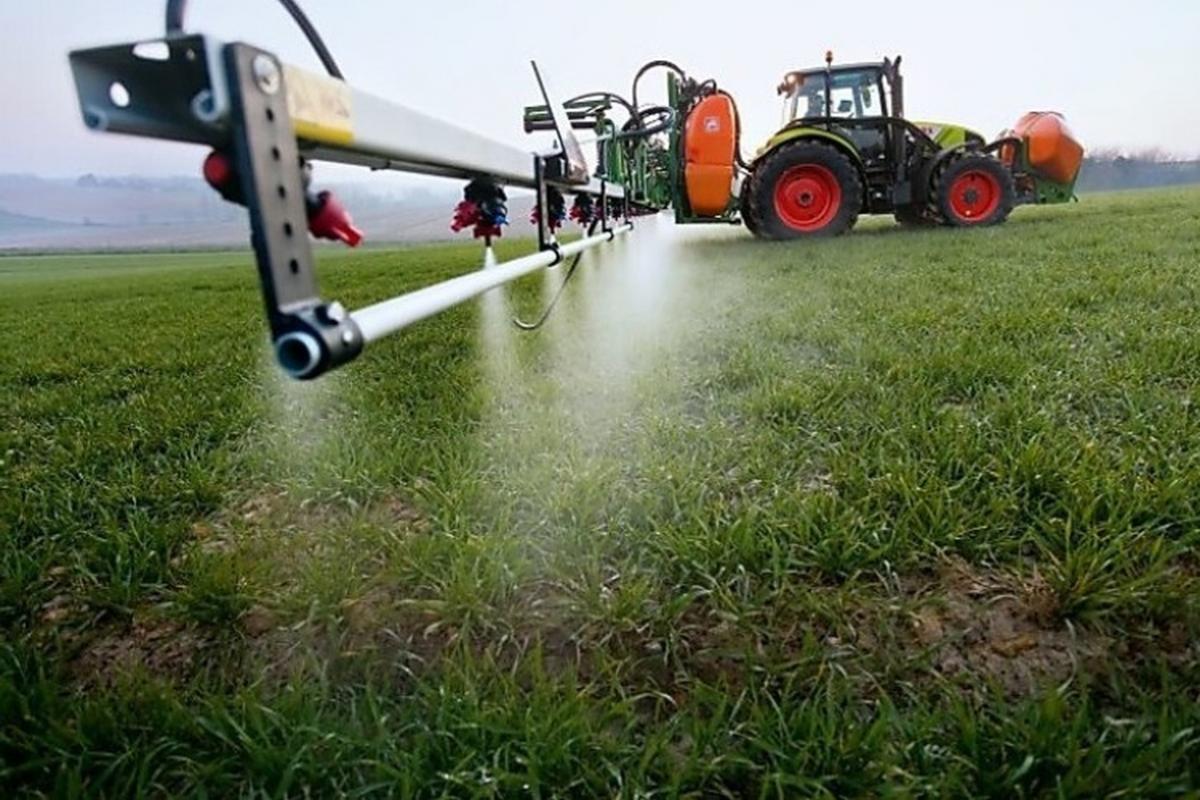
Fertiliser supply disruptions caused by the war in the Middle East are posing a double threat to global food security by causing shortages and price increases, a senior World Trade Organisation (WTO) official has warned.
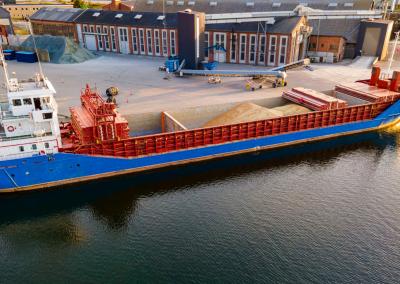
Iran has virtually blocked the Strait of Hormuz, blocking a vital transit route for oil, gas and fertiliser. Typically one third of the world's fertiliser is shipped through the strait, so the blockade of the strait is a cause for great concern because of the impact on food production.
„Fertiliser is a major concern today. If fertilisers are gone, it will affect not only quantities but also prices," Jean-Marie Pogham, WTO deputy director-general, told AFP in Yaoundé in an interview. The effect is amplified the following year: yields fall and prices rise.
The abundant reserves of natural gas in the Persian Gulf, a key ingredient in the production of synthetic fertilisers, have made the region a major producer. However, the war has severely disrupted production and some major plants have been forced to close.Major food exporters such as India, Thailand and Brazil are dependent on urea, a nitrogen-based fertiliser from the Gulf, making these countries vulnerable.
Since the war has only been going on for a few weeks, there is currently no shortage of fertiliser, said Mr Paugam.
„However, if fertiliser supplies from the Gulf are not forthcoming, we will see an immediate impact on supplies to major producing countries by the time the planting season for crops to be harvested next year starts, – he said. If the Strait of Hormuz is blocked for three months, the impact will be significant.
Risk of stockpilingNet food importing countries would be in a very bad position, including „most of West and North Africa“, the WTO official noted.
This effect could be exacerbated if countries start stockpiling, as happened during the international trade disruptions at the height of the COVID pandemic.COVID has put an end to the fight against world hunger. Since then, the world has returned to its plan to eradicate hunger by 2030, one of the goals adopted by UN Member States in 2015.
„But the dangers of war in the Middle East are again putting us at risk of veering off track,– warned Mr Paugam.
Similar articles

Video