














Even Estonians can't stand it: farmers in Estonia protest, tractors roar in many towns
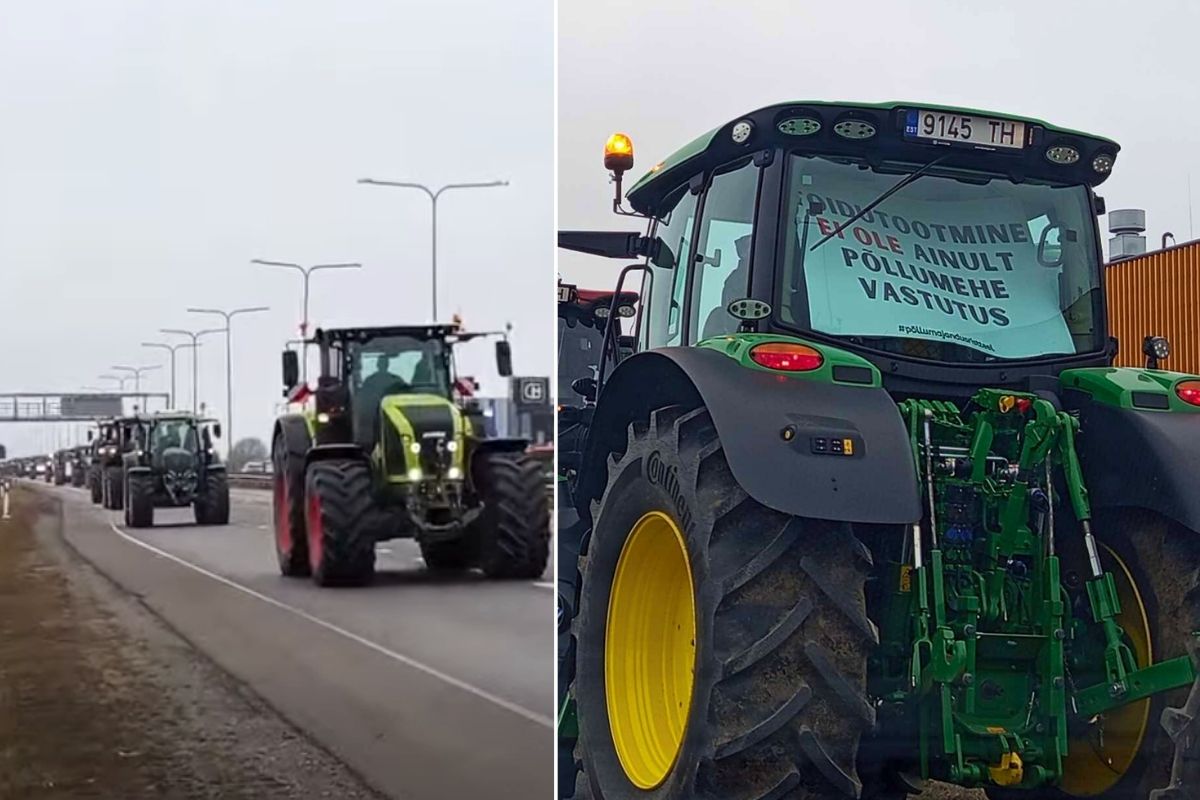
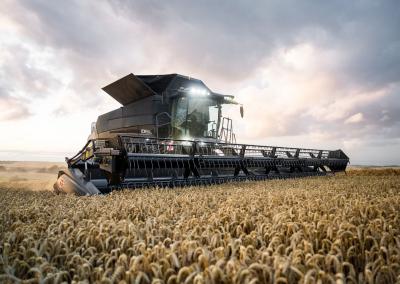
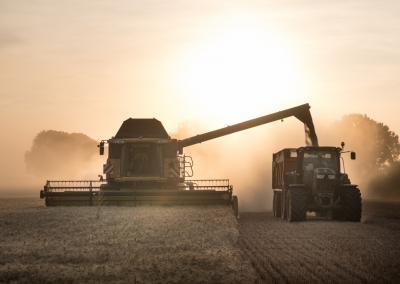
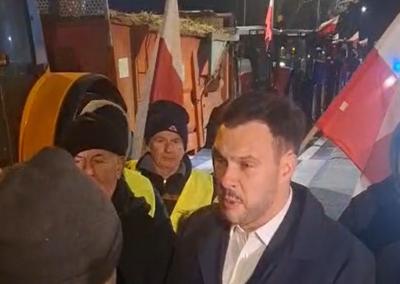
On Thursday, Estonia saw a nationwide protest by farmers, in yet another sign that the agricultural sector is under increasing pressure across Europe. The protest was initiated by the Estonian Chamber of Agriculture and Commerce together with the farmers' cooperative „Kevili“. Farmers with tractors gathered on the roads of major cities and at important transport hubs to draw the attention of the public and the government to the difficult situation of agriculture.
During the campaign, tractors were spotted in many cities across the country, including Tallinn, Tartu, Perm, Rakvere, Viljandi, Jõhvi, Kuressare and Valga. The organisers of the protest wanted to show that agriculture is a strategic sector on which food security and regional economies depend directly.
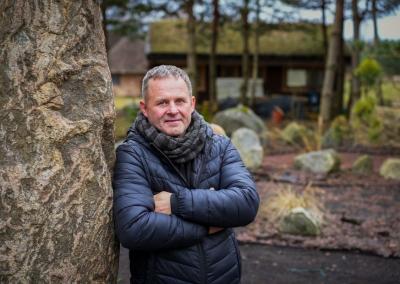
„If people are coming to the capital with tractors, away from their main work, then we absolutely must listen to what they are saying“, – said Minister for Regional Affairs and Agriculture Hendrik Johannes Terras‘as.
Estonia is a small country, but its agriculture is characterised by relatively large and modern farms. There are around 10,000 to 11,000 farms in the country, collectively covering almost 980,000 hectares of farmland. The average farm size is around 87–91 hectares, while the average for the whole of the European Union is only around 17 hectares. This means that Estonian farms are among the largest in the European Union and their production is often oriented towards commodity production and exports.
About a quarter of Estonia's territory is used for agriculture, while another 50% of the country's land area is covered by forests. As much as 82% of the country's territory is considered rural, with around 44.5% of the population living in rural areas. This shows that rural areas in Estonia are still very important for both the economy and the structure of society.
Despite large farms and modern machinery, agriculture accounts for only a small part of the country's economy. In 2024, the agriculture, forestry and fishing sector accounted for around 1.9% of Estonia's gross domestic product (GDP), compared to over 5% in 1990. This shows that the economy has changed dramatically over the past three decades and has become more service and technology oriented.
Estonia is also focusing on organic farming. In 2023, around 225,000 hectares of land were used for organic farming, or around 22.8% of the total agricultural area. This is one of the highest rates in the European Union and reflects a growing focus on sustainable food production.
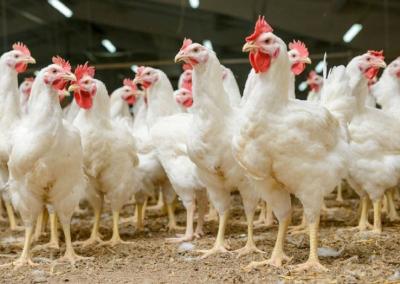
In 2024, the country produced around 76,500 tonnes of meat, accounting for 71% of the country's total meat consumption. In the same year, around 189.5 million eggs were produced – an average of 138 eggs per capita per year.
But despite these production figures, farmers face increasing challenges. Rising fuel and fertiliser prices, stricter environmental requirements and competition from cheaper imported products are reducing farm profitability. In addition, global crises – such as geopolitical conflicts or disruptions in supply chains – can severely affect food production and prices. For these reasons, farmers are increasingly demanding more public support and a level playing field in the EU.

Similar articles


Video