























































On a remote Australian island, 13,000 elephant seal pups have died from bird flu
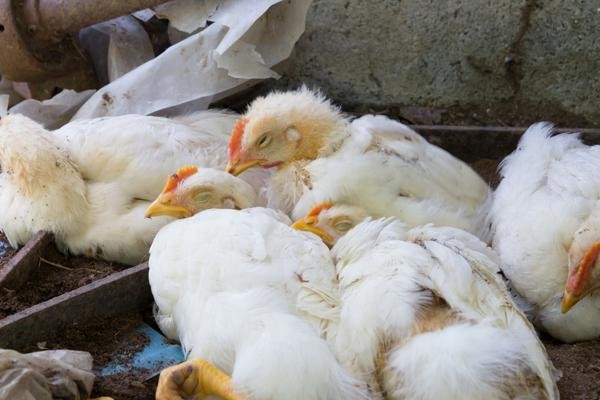
A pathogenic strain of avian influenza, which infected a breeding colony of elephant seals on a subpolar island of volcanic origin belonging to Australia, has killed more than 13,000 of these marine mammal pups, which belong to the seal family, Australian scientists reported on Thursday.
In October 2025, scientists arriving on a research expedition found the remote Herde and McDonald Islands littered with seal carcasses.
Genetic testing confirmed that the seals, penguins and birds living on the rocky islands were killed by the highly contagious H5 strain of avian influenza – this is the first time this strain has been detected in one of Australia’s overseas territories.
Scientists from the Australian Antarctic Programme stated that southern elephant seal pups were the hardest hit by this outbreak, and in some seal “harems” mortality rates reached as high as 97 per cent.
During ground and aerial surveys carried out in October 2025 and January 2026, 13,300 dead elephant seal pups were counted.
“These cases of H5 avian influenza, recorded on Herde and McDonald Islands, are the first to be detected in Australia’s overseas territories and indicate that the virus is continuing to spread eastwards,” – said biologist Julie McInnes.
Scientists said the virus most likely arrived in August 2025 along with infected wild animals that came from the Crozet Islands –part of a subpolar archipelago some 1,500 km to the north-west.
The uninhabited Heard and McDonald Islands unexpectedly made the headlines in April 2025 when they were added to US President Donald Trump’s list of international tariffs.
These islands, situated 4,000 km south-west of mainland Australia, are completely uninhabited, and access to them is only permitted with authorisation from the Australian government.

Similar articles




Video