
































































Warnings for poultry farmers: an outbreak of avian influenza in the Širvintos district
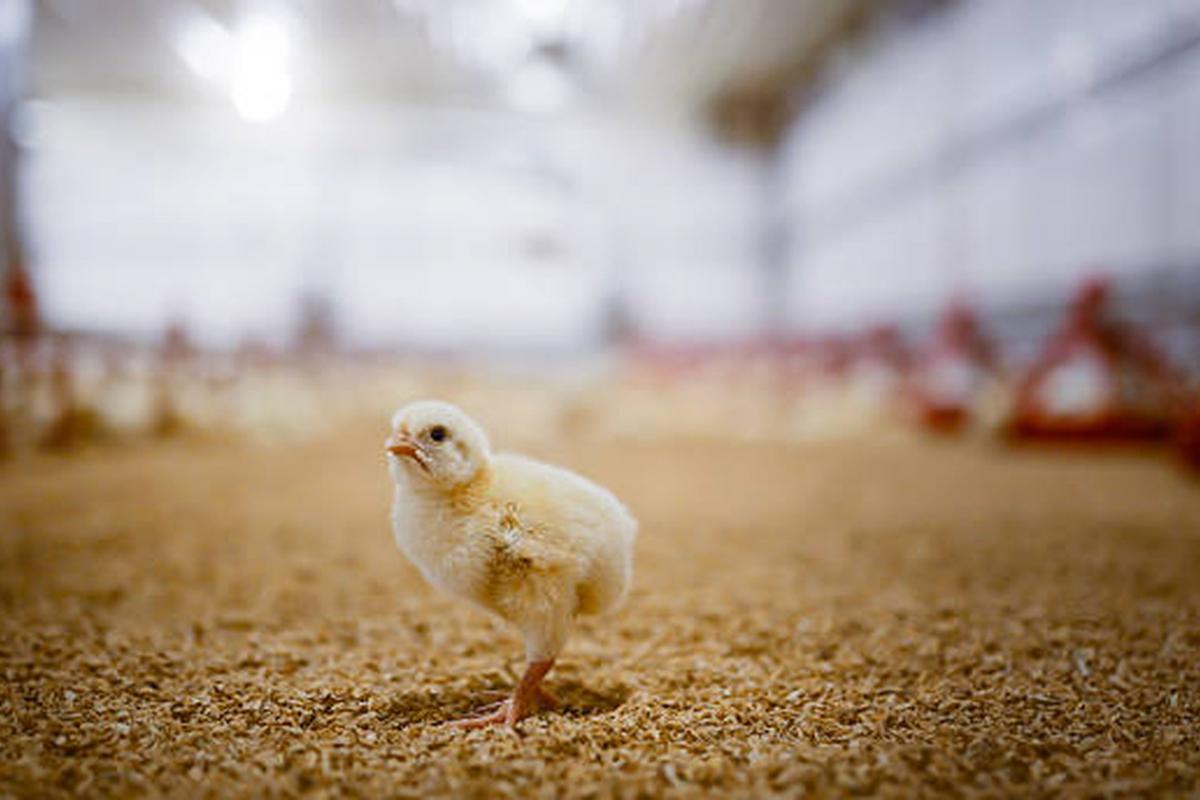
The laboratory of the National Food and Veterinary Risk Assessment Institute has confirmed the presence of a highly pathogenic avian influenza virus at a non-commercial poultry farm. This is the first outbreak of avian influenza detected this year at a poultry holding in Lithuania.
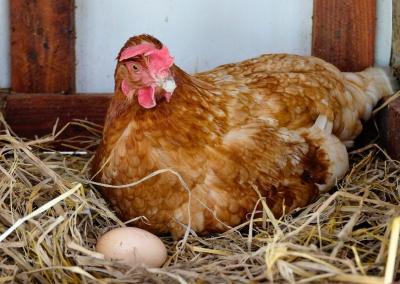
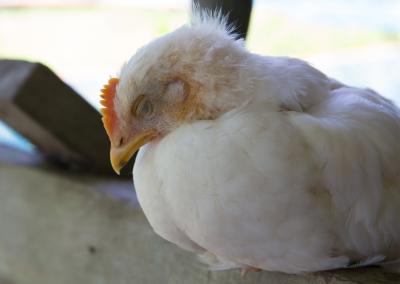
According to the owner of the farm in the village of Vindeikiai, in the Musninkai eldership of the Širvintos District Municipality, after noticing that 20 hens had died in one day, and the following day – a further 12 hens and one turkey had died the following day – he suspected avian influenza. Testing of the samples taken confirmed the presence of the avian influenza virus.
Specialists from the Vilnius Regional Supervision Division of the State Food and Veterinary Service (VMVT), visited the farm, culled the remaining birds, took additional samples and launched an epizootic investigation to determine how the virus might have entered the farm.
“The birds on the farm were kept both in outdoor pens and within a fenced-off area of the farm buildings. However, the presence of a pond on the premises increases the risk, so the possibility of contact with wild birds cannot be ruled out. Even within a fenced-off area, there remains a possibility that the virus could enter via wild bird droppings or other environmental factors. The risk increases even further when domestic birds are allowed out into open fields near bodies of water where flocks of wild waterfowl – the main carriers of the avian influenza virus – gather. “In such locations, the likelihood of the virus entering a flock of domestic birds remains extremely high,” says Vaida Barkovskienė, Head of the Vilnius Supervision Division at the State Food and Veterinary Service.
“We are currently taking all necessary measures to eliminate the outbreak and once again urge all poultry keepers to take biosecurity requirements particularly seriously. Keeping birds outdoors near bodies of water or in areas frequented by wild waterfowl poses a huge risk of infection, so it is essential to take all possible measures to avoid contact with wildlife,” continues Vaida Barkovskienė.
Recommendations for small poultry farms:
- Keep birds indoors or in enclosures with shelters that protect them from contact with wild migratory birds.
- Store feed intended for poultry in such a way that it is protected from wild birds, rodents and other animals capable of mechanically transmitting the virus.
- Do not use water from open water bodies to water domestic birds.
- Keep domestic geese and ducks separate from other domestic birds.
- Do not visit other poultry holdings and avoid direct contact with wild birds.
If you notice signs characteristic of avian influenza in a flock of domestic birds, if your domestic birds start to die or if you find a dead wild waterbird, please notify your private vet and the State Food and Veterinary Service (VMVT) as soon as possible

Similar articles



Video