








































Harvest doesn't start with the seed: what to do in spring before the first plantings
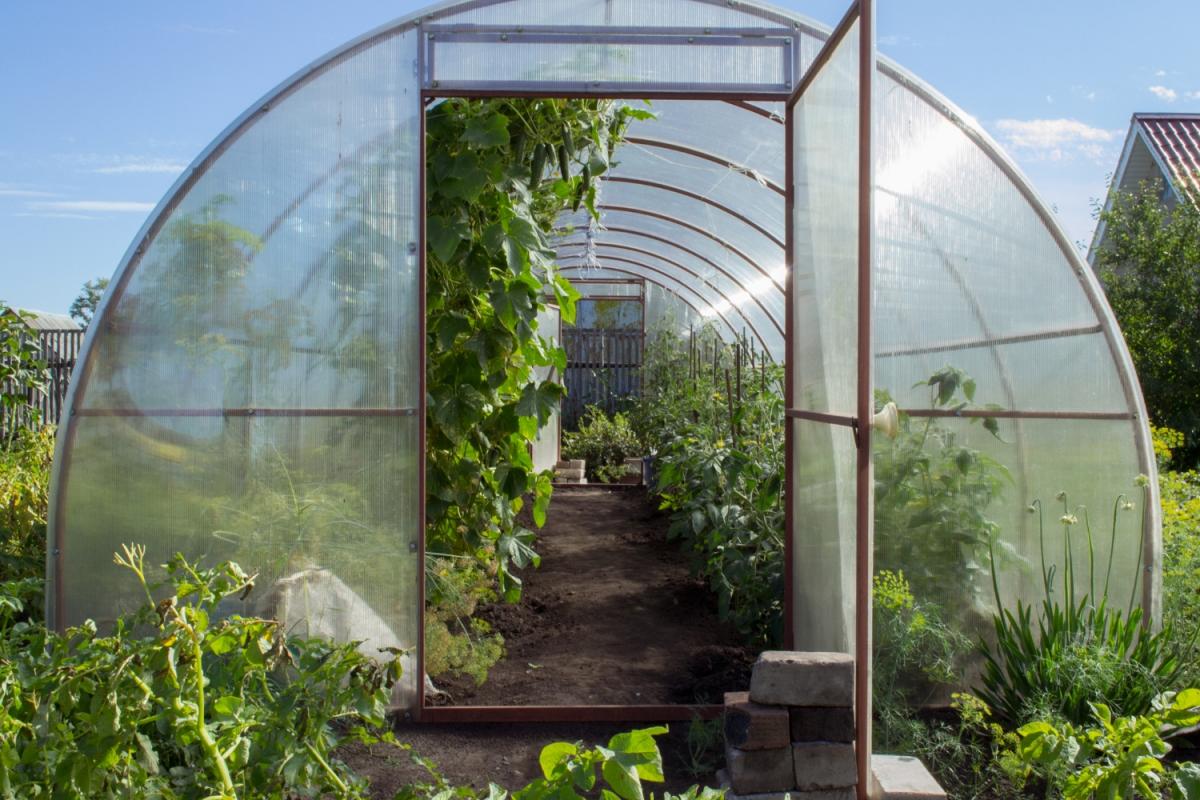
As soon as the weather starts to warm up, many yards and gardens start to follow the same pattern: some are already planning what they will grow in the greenhouse this year, others are rushing out to buy seeds, and still others are eager to dig their beds as soon as possible. Spring always brings that pleasant feeling that the new season is just around the corner. But experienced gardeners would say it simply: it's better to rush to the ground than to the seed shelf.
It may not be the most romantic part of gardening, but it's often the part that determines whether we'll enjoy a bountiful summer harvest, or just wonder why things are growing so easily in one garden and seem to be stagnating in another. After all, it's the same thing: the seeds are good, the seedlings are beautiful, the watering is regular, but the result is still disappointing. In many cases, the problem is not with the plants, but with what was left behind at the beginning.
In spring, the rush is often not where it should be
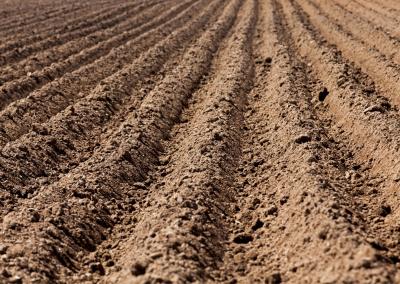
After the winter, the soil is rarely ideal. In some places it is compacted, in others it is too wet, in still others it is exhausted after the previous season. And yet many people think first of varieties, planting dates or fertilisers, as if the soil were ready to welcome the new season. This is where the most common spring mistake begins.
Before the first planting, it is worth simply assessing the condition of the soil. Is it loose? Is it holding water? Is it easy to shake? Has it not turned into a layer that is difficult to cultivate and becomes sticky after rain and hardens on a sunny day? These may sound like small things, but they are the things that determine how well the plants will establish, root and take up moisture and nutrients later on.
It is no coincidence that the Ministry of Agriculture points out* that Lithuania's supply of local vegetables is around 66% and fruit and berries only around 17%, and one of the problems identified is crop instability and sensitivity to climatic conditions. In a smaller, amateur garden, these factors will of course look different from those on farms, but the principle is the same: the firmer the foundation at the beginning of the season, the less disappointing it will be later on.Not everything is solved by fertiliserMany people try to save a tired garden with fertiliser. But the problem is not always just a lack of nutrients. Sometimes it's more about looseness, organic matter, better structure and simply recovering from the previous season. If the soil is heavy, broken or degraded, extra fertiliser won't do the trick.
That's why it's a good idea to take care of the soil base itself first in spring, by picking up old plant debris, carefully loosening it up, adding compost or other organic matter and, if necessary, topping up areas with a suitable substrate. This is particularly important where the same crops are grown year after year or where the soil has long been "working on the edge of collapse".
In these situations, it is also naturally useful to have soil for the garden, not as a spontaneous purchase, but as a way of helping beds, greenhouses or individual planting areas to get what they lack at the beginning of the season. Sometimes this is the difference between a plant that „stands still“ and one that immediately starts to grow more steadily.
First impressions of the season are often misleading
It is very easy to be fooled in spring. A few warmer days give the impression that everything is ready to go. But the ground is often not ready for more intensive work after winter. Moving the wet soil too early can cause it to compact even more. And then the cycle begins: plants take root harder, grow less well, and more often than not have to be rescued by additional solutions.
That's why experienced gardeners are usually not in a hurry to do everything at once. They first observe how the soil itself is behaving and then plan sowing and planting. This may look like procrastination from the outside, but it is often just a deliberate start.
A good harvest starts long before the first seedlings appear
That's probably why the best-yielding gardens are rarely the ones that are rushed. They are more often those with a calm and deliberate start. Because a good season doesn't start when the first packet of seeds is picked up. It starts when you take care of what will hold the plant in the ground all summer long.
And while spring is always about getting off to a fast start, sometimes the most rewarding work is not the planting, but the preparation for it. It is often the work that determines whether the summer garden will reward you with a more bountiful garden or just remind you that it was too soon.

Similar articles

Video