





































Grain surplus in Australia: what next?
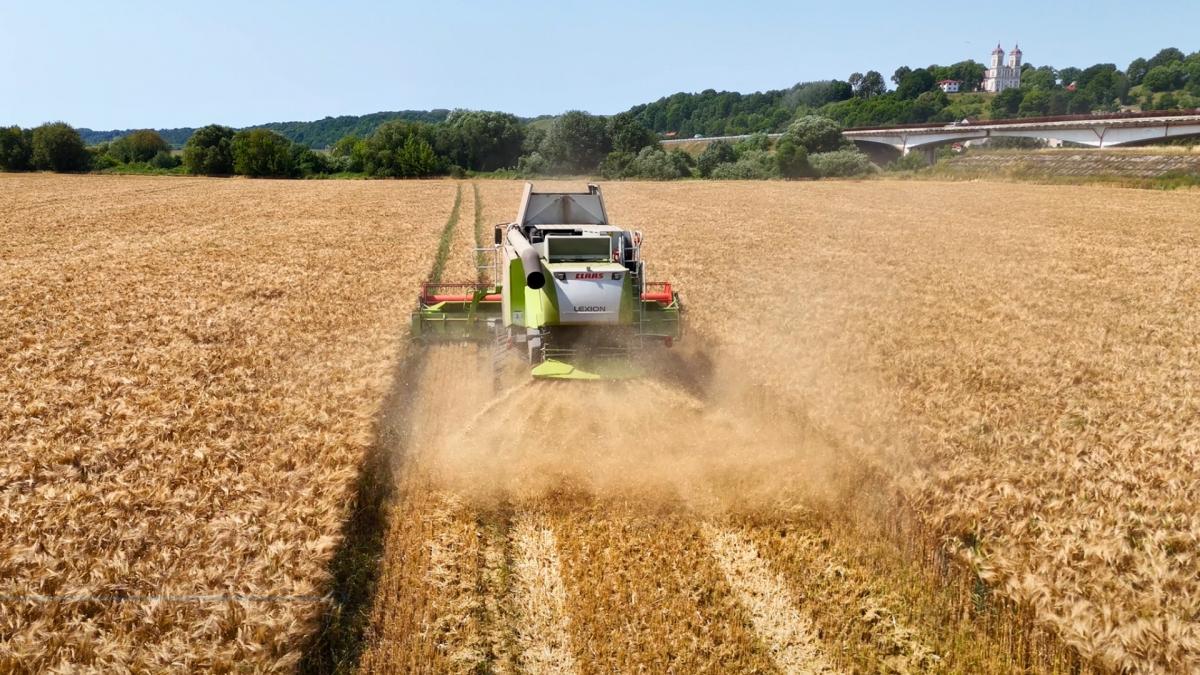
Australia's grain sector is going through a contrasting period, with one of the highest yields in history, but with increasing price pressure in the market and declining profitability. Although production results are good, the future outlook for farmers is becoming increasingly difficult, reports the German press.
Record harvest but uneven conditions
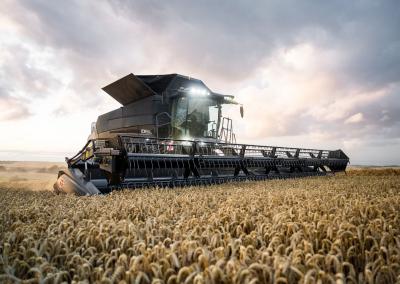
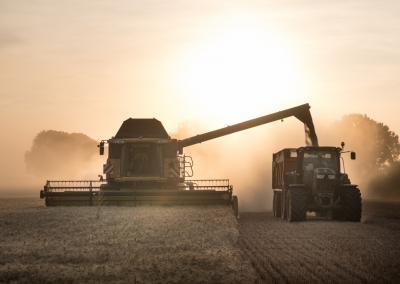
Australia's 2025/26 winter cereal harvest is expected to rise to 68.4 million tonnes in 2025/26, the second best result on record and well above the average of recent years. Wheat, barley and oilseed rape saw the biggest increases, while summer crops (such as sorghum and rice) – declined.
Although the early part of the season was dry in some places, subsequent rainfall and favourable weather conditions helped to produce very good results. Western Australia even saw record yields, while yields in South Australia and Victoria also exceeded expectations, despite a difficult start.
Wheat yields increased to almost 36 million tonnes, barley reached a record level and oilseed rape became the second largest ever. The increase was mainly due to improved yields and larger crop areas.
Price pressures and worsening prospects
Despite a bumper harvest, pessimism prevails in the market. Global cereal supply is tight, making price increases difficult. Strong competition from Russia, the EU and the US, and declining Chinese imports, are putting further pressure on Australian exporters.
High stocks and new harvests are limiting the scope for price increases, reducing farmers' incomes. Gross margins are projected to decline in all states in the 2026/27 season. This is compounded by high input costs, particularly fertiliser prices, and the potential strength of the Australian dollar.
In the future, farmers may focus more on more stable crops such as barley, while oilseed rape will remain attractive due to its higher profitability potential, despite the higher initial investment.

Similar articles
Video