





























Following inspections on farms, the State Food and Veterinary Service lists the most common breaches
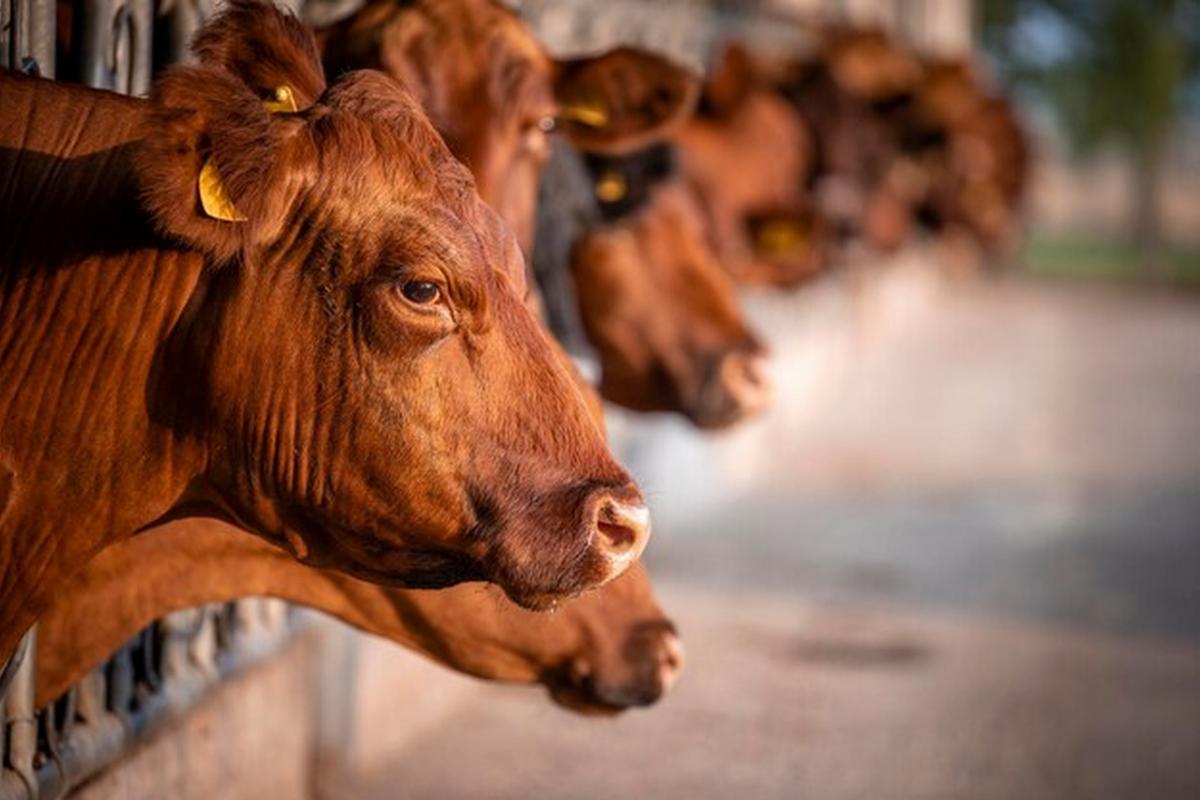
The State Food and Veterinary Service (VMVT) carried out 288 scheduled farm inspections over the five months of 2026 in accordance with the control requirements of the National Paying Agency (NMA), to monitor compliance with the rules relating to European Union (EU) and national support. Non-compliance was identified at 108 farms – accounting for 37.5 per cent of the farms inspected.
The State Food and Veterinary Service (VMVT) carries out scheduled inspections of livestock housing facilities throughout Lithuania, during which it assesses compliance with the requirements for the identification and registration of livestock, feed safety, animal welfare, milk production and other established requirements. Routine farm inspections focus primarily on farms that keep cattle, sheep and pigs, supply products of animal origin to the market and receive EU support.
By comparison, during the same period in 2025, non-compliance was identified in 127 out of 350 farms inspected. Although the number of inspections is lower this year, their effectiveness is greater – controls are increasingly based on risk assessment. This allows for a more targeted use of control resources and helps to ensure the effective implementation of requirements.
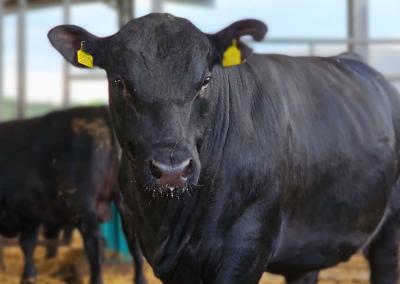
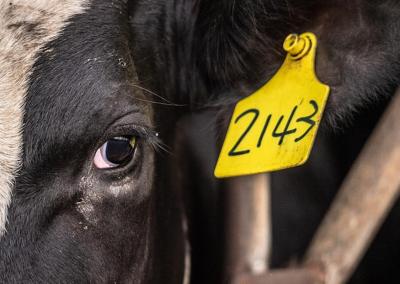
This year, the majority of non-compliances at livestock holdings relate to the identification and registration of animals. In 64 cases, animals did not have ear tags; in 27 cases, keepers failed to submit data on changes in livestock (birth of offspring, slaughter for personal consumption, or death) to the Livestock Register by the deadlines, and in 10 cases, the transfer of animals to another holding was not properly recorded. Eleven cases were identified where a legal entity was not registered in the Feed Business Register database as a feed business operator; in one case, feed was stored in unsuitable conditions (hygiene breaches). Deficiencies relating to the supervision of animal production were also identified: in five cases, water tests had not been carried out, and in one case, the floor condition in the holding premises was poor.
“The most common non-compliances identified during inspections relate to failure to comply with animal identification and registration requirements. Although these breaches are largely of an administrative nature, it is precisely the traceability of animals that is one of the most important factors in ensuring animal health, food safety and a rapid response to the threat of infectious diseases“, – says Žydrūnas Vaišvila, Senior Adviser at the VMVT’s Supervision Department.
According to him, the VMVT’s activities are not based solely on responding to complaints or reports of possible infringements. A large proportion of inspections are carried out on a planned and preventive basis: annual inspection plans are drawn up based on risk assessments, covering various farms across Lithuania, not only through on-site visits but also remotely. The aim is to ensure that control procedures are as straightforward as possible for farmers and do not disrupt their day-to-day operations. For the second year running, farmers have been able to use the NMA Agro mobile app, which allows them to submit data on their livestock quickly and conveniently.

Similar articles
Video