









































Please note! The elk bag limit for this hunting season has been announced
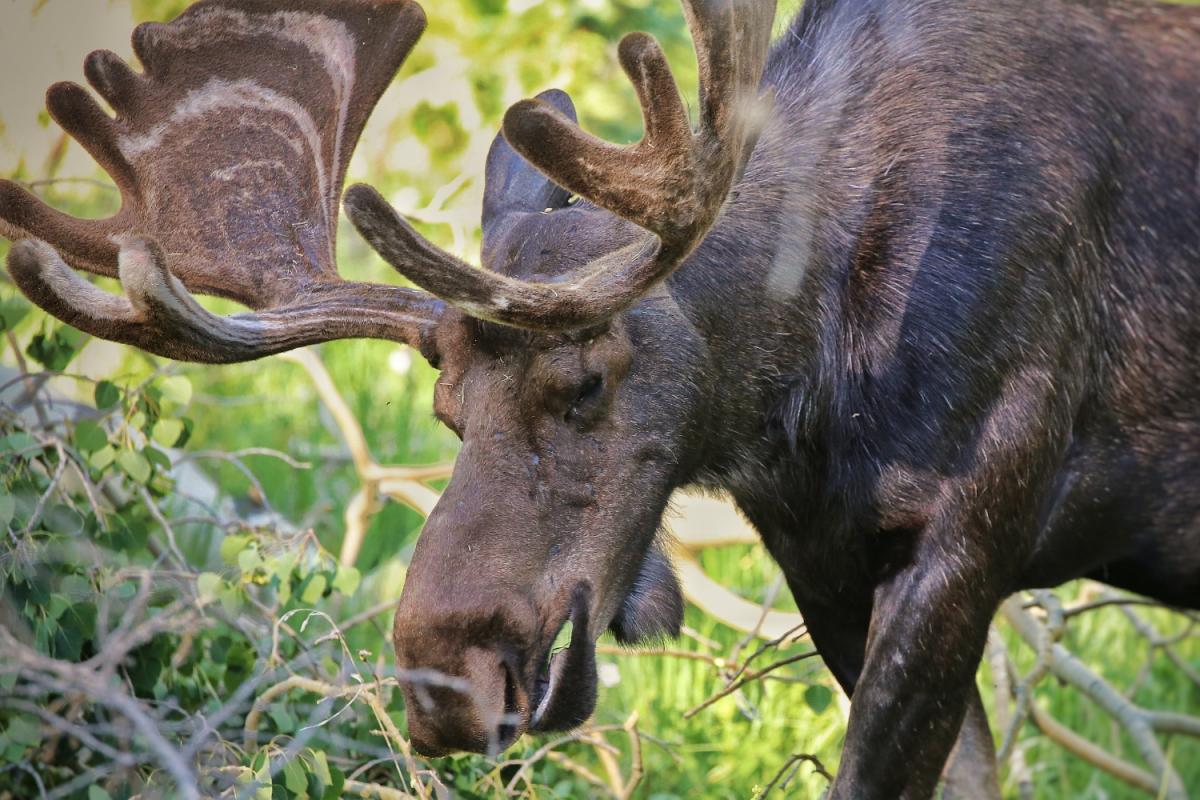
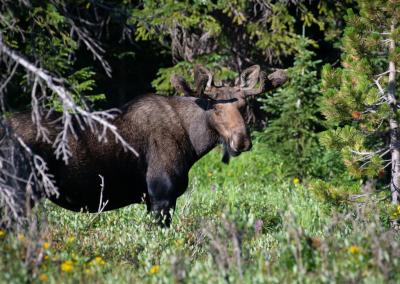
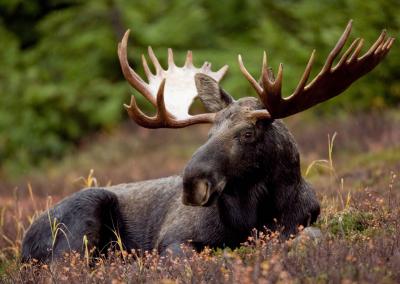
The Department of Environmental Protection has announced that the Ministry of the Environment has submitted for consultation a draft order by the Minister for the Environment, which proposes setting a hunting quota of 3,935 elk for the 2026–2027. This is lower than the limit of approximately 4,300 animals that was in force during the previous two seasons.
Elk remain the only game ungulates in Lithuania for which hunting is restricted by a state-set quota. Specific quotas for each municipality are proposed by the municipal commissions for setting game animal hunting quotas, which comprise representatives from the Department of Environmental Protection, the State Forest Service, private forest and land owners, and hunting organisations. The final overall limit is approved by the Minister for the Environment, based on data submitted to the Biodiversity Information System.
The highest quotas for this season are proposed for Švenčionys District Municipality – 214 elk, Varėna District Municipality – 205, and Ignalina District Municipality – 201.
Male elk may be hunted from 15 August to 15 December, females from 1 October to 30 November, and calves from 1 October to 31 January.
It had previously been proposed to abolish the quota
This decision is also significant because, as recently as last year, the possibility of abolishing moose hunting quotas altogether was under consideration. The Ministry of the Environment had included such a proposal in a draft amendment to the Hunting Regulations, but it faced significant criticism from hunting organisations, conservationists and politicians.
Following discussions, it was decided not to lift the limit. At the start of the year, Environment Minister Kastytis Žuromskas confirmed that there are currently insufficient grounds to lift the restrictions on elk hunting, as there is a lack of reliable data on the population’s status and the long-term consequences of such a decision.
Why elk cannot be hunted without restrictions
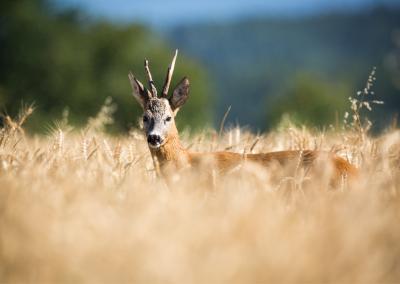
Although the elk population in Lithuania remains fairly stable, this species is considerably more sensitive than, for example, red deer or roe deer.
Elks live alone or in small families, and females usually give birth to one, or less commonly, two calves. Due to this slower reproduction rate and lower productivity, the population recovers much more slowly than that of other ungulate species.
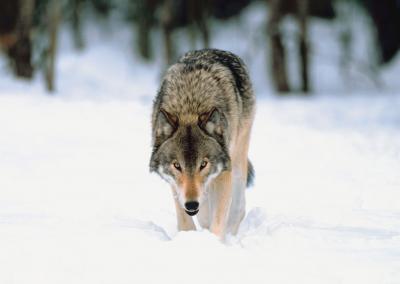
Furthermore, elk are highly dependent on suitable habitats. Forest fragmentation, the draining of wetlands and habitat loss are reducing their range. In recent years, there has also been increasing discussion of the growing impact of wolves on the survival of elk calves. Observations by hunting ground users indicate that in some areas, fewer and fewer calves are being seen each year.
For these reasons, uncontrolled elk hunting could have long-term negative consequences. If too many adult animals were hunted, it would take many years for the population to recover. This is precisely why the principle of culling limits continues to be applied in Lithuania, allowing hunting to be regulated according to the state of the population each year, rather than leaving it completely unrestricted.
Comments and proposals regarding the draft order may be submitted via the Legislative Information System until 13 July.

Similar articles

Video