


















































Due to the war in the Middle East, global trade in fertilisers has fallen by 30 per cent.
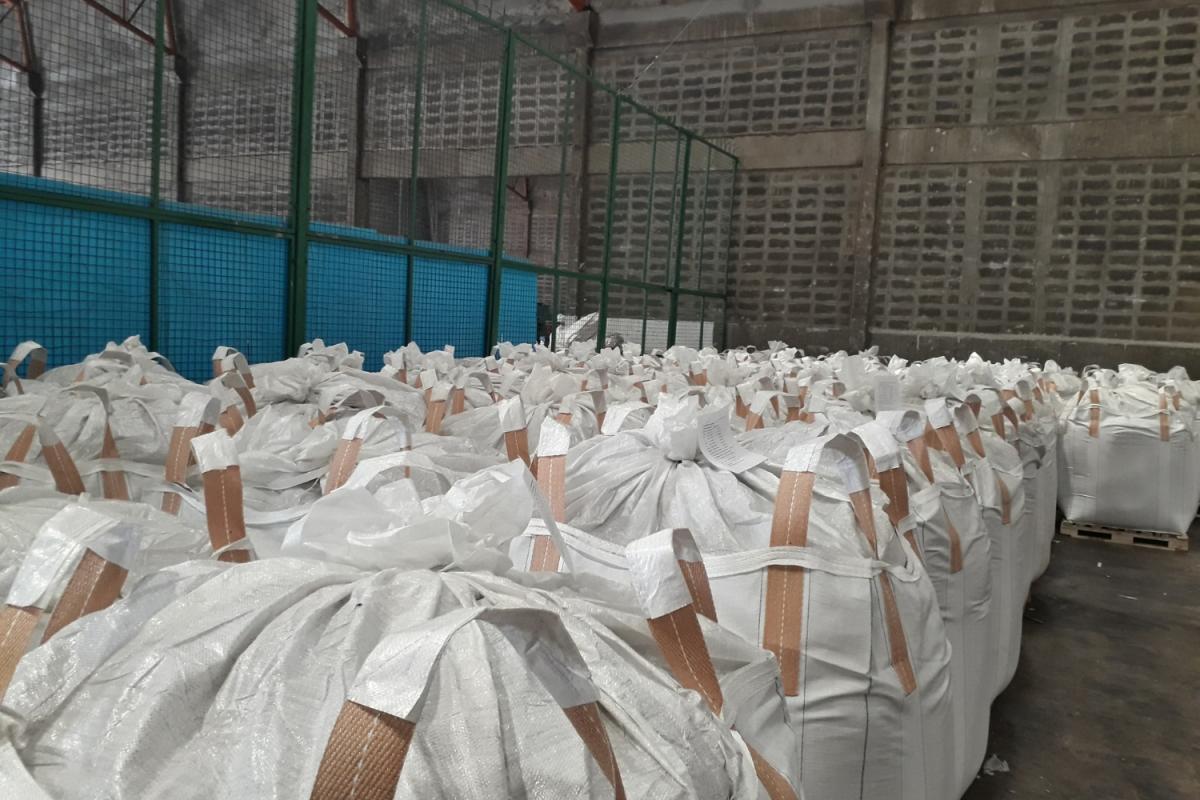
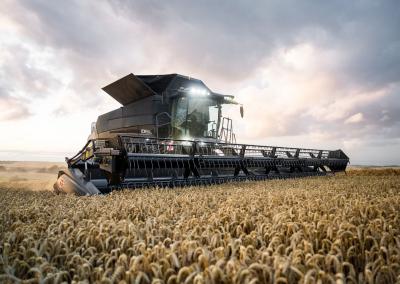
Global trade in fertilisers, which are vital to agriculture worldwide, has fallen by 30 per cent since the start of this year, as the war in the Middle East has driven up prices sharply and forced several countries to restrict exports, the Food and Agriculture Organisation of the United Nations (FAO) reported on Thursday.
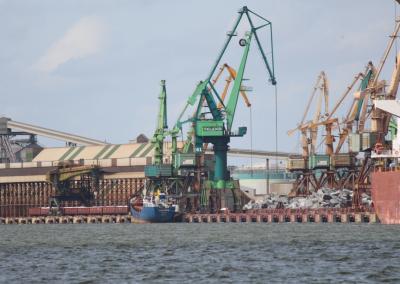
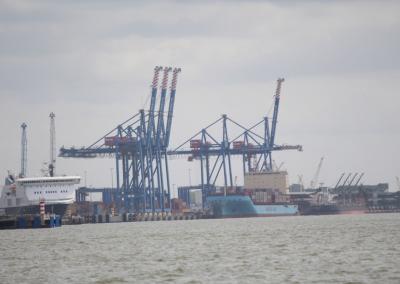
Many farmers have postponed or cancelled purchases altogether, as supply has fallen due to the de facto closure of the Strait of Hormuz, which has halted the transport of raw materials used in fertiliser production and liquefied natural gas (LNG). At the same time, China, Russia, Turkey and Egypt are among the main producing countries that have restricted exports to protect their domestic markets.
According to FAO data published in the half-yearly report “Food Outlook”, fertiliser prices rose by an average of 25 per cent between February and May. As a result, trade volumes during the first four months of this year fell to 41 million tonnes, compared with 58 million tonnes during the same period last year.
Even if the Strait of Hormuz reopens, “the recovery in supplies of raw materials containing nitrogen, phosphates and sulphur will be slow and uneven, so prices will remain at historically high levels“, warned the FAO.
Before the war began on 28 February, a third of the world’s fertiliser was transported through the Strait of Hormuz. Officials have already warned that farmers may face a shortage of fertiliser during the summer season.

Similar articles


Video