





























LŪS Director: Farmers are facing uncertainty over fertiliser prices; state support is just a drop in the ocean

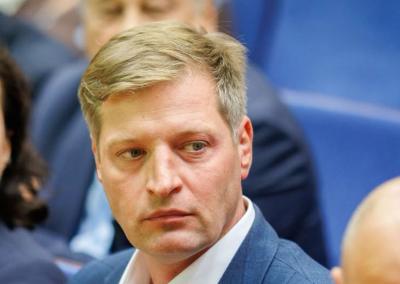
Due to the sharp rise in fertiliser prices and the crisis in the agricultural sector, which has been ongoing for several years, farmers are facing a future of uncertainty, whilst the financial support offered by the state has so far been insufficient, says Gedas Špakauskas, chairman of the Lithuanian Farmers’ Union (LŪS).
According to him, fertiliser prices began to rise at the start of the year following the entry into force of new European Union (EU) regulations – the Carbon Border Adjustment Mechanism ( CBAM) tax, and the situation was later further exacerbated by the crisis in the Strait of Hormuz and the resulting supply problems.
“Prices have risen sharply. There was already a shortage of some fertilisers in the spring, so some farmers used less fertiliser than planned. This means that the forecast harvest may also be smaller“– G. Špakauskas told ELTA.
According to him, some farmers are already considering reducing fertilisation in the autumn or abandoning it altogether, as they lack working capital. The situation, according to the agricultural representative, is further exacerbated by the fact that grain and milk purchase prices remain essentially the same as they were a decade ago, even though production costs have risen sharply during that time.
According to the head of LŪS, a shortage of fertiliser is already being felt in the market. He says that traders estimate that if farmers were to purchase the full amount of fertiliser required for the autumn sowing, there would not be enough on the market at present.
„We are living in uncertainty as to what will happen next. We are awaiting autumn and the European Commission’s decisions on support measures. There is also concern about investment – many farmers are putting it on hold or postponing it,” said G. Špakauskas.
According to him, if this year’s harvest were to fall due to reduced fertilisation and unfavourable weather conditions, this could eventually affect food prices as well.
“If it becomes clear that the harvest is smaller, processors may start preparing for a possible shortage of raw materials and adjust prices accordingly. It is too early to say whether this will actually happen, but the risk exists“, said the chairman of the Lithuanian Farmers’ Union.

Similar articles



Video